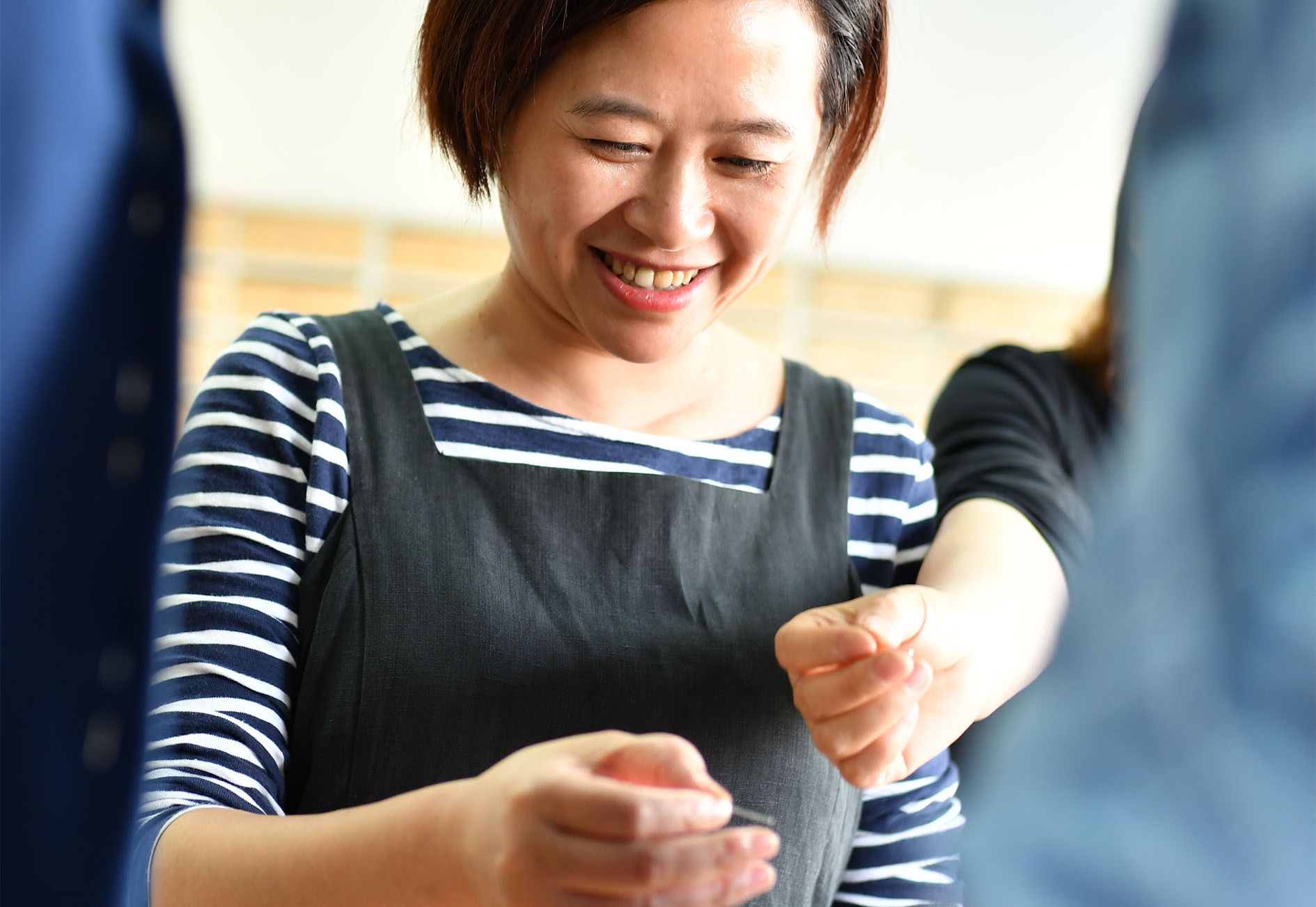
Sleep is not something that happens only in the body. The way we rest and give our body energy is shaped by space, light, texture, colour, temperature and by the subtle signals our environment sends to the nervous system long before we close our eyes. This understanding lies at the heart of Kalani Home, a Belgian home textile brand founded in 2016 in Genval (Belgium), whose work sits right where design, well-being and material consciousness. Specialising in high-quality bed linen, bath and table linen, as well as light bedding such as duvets and pillows, Kalani approaches the concept of “home” not as a purely aesthetic space, but as a living environment that can actively support rest, recovery and emotional balance with textiles.
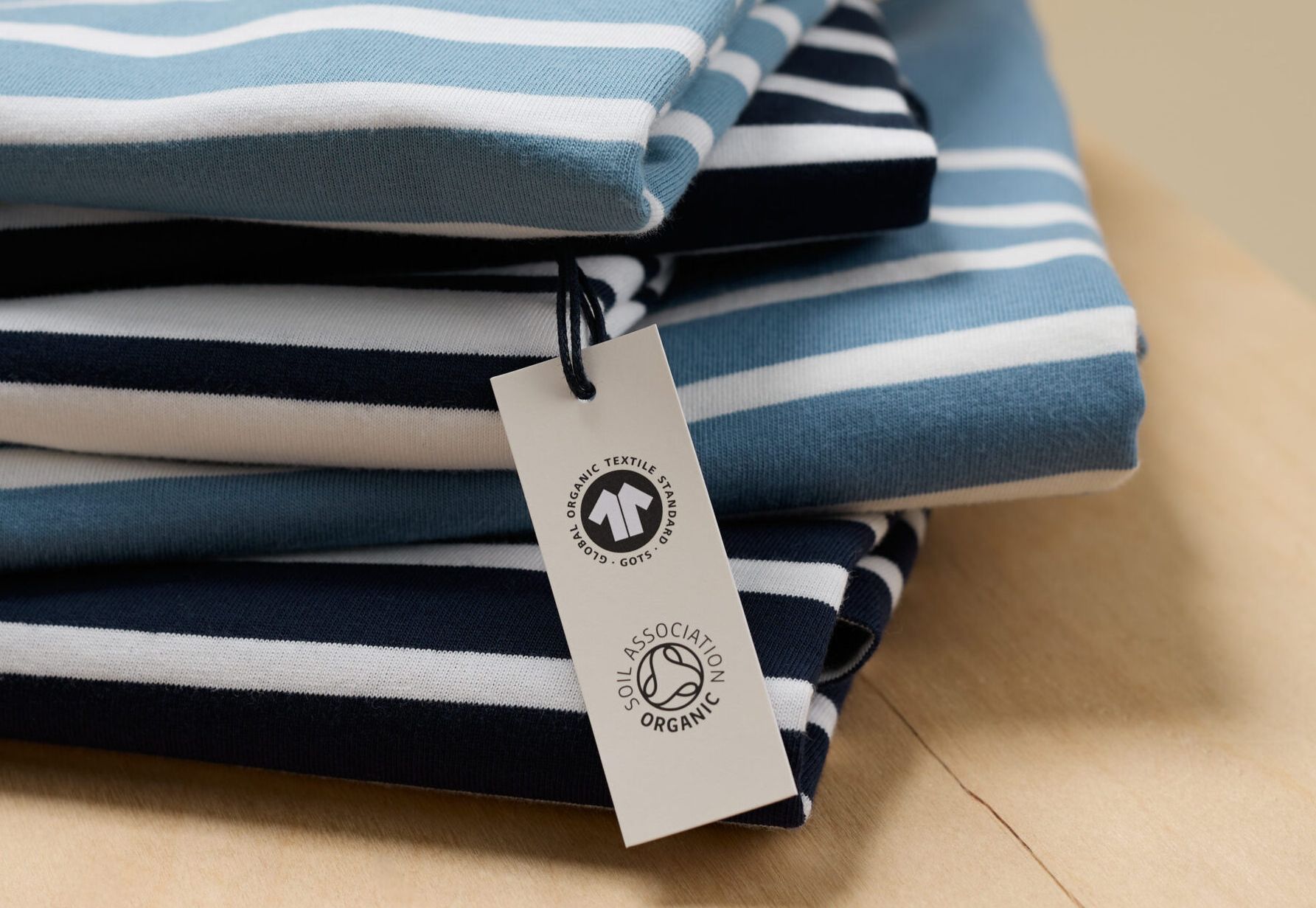
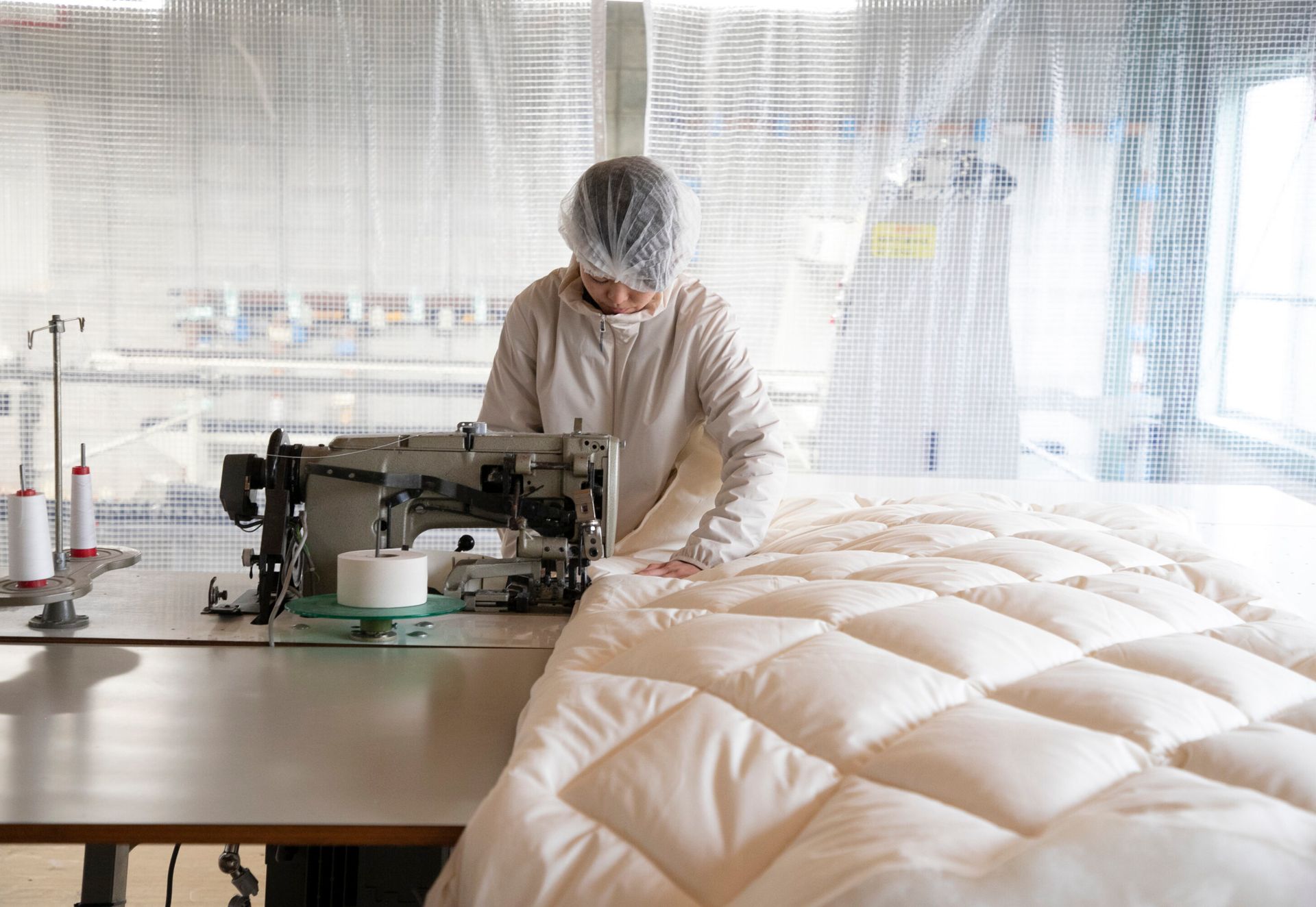
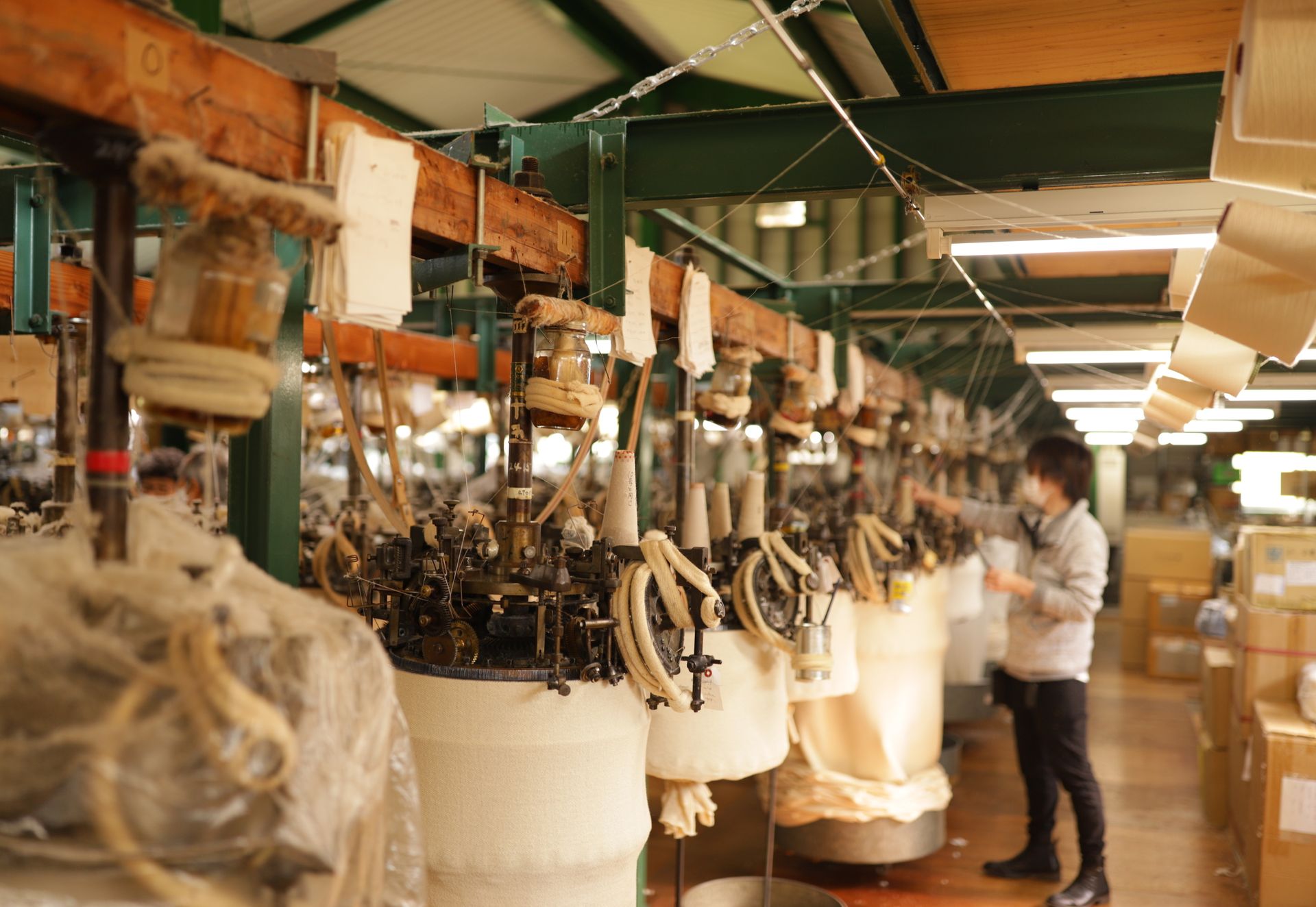
From the beginning, Kalani has worked with a small, focused team and a deliberately controlled production scale, designing textiles meant to last and to be lived with. Their collections are understated and timeless, allowing the body and the space to take centre stage. At the heart of all this stands Kalani’s long-standing commitment to the Global Organic Textile Standard. Founder Bruno Van Steenberghe made the decision to make GOTS part the core of the brand from its inception. “Creating a textile company in 2016 made no sense to me if it did not have a positive impact on both the planet and people,” he explains. “After years of research, it became clear that producing with GOTS-certified textiles from organic materials was the only coherent solution.” GOTS remains the only certification that covers the entire organic supply chain, from cultivation to finished product, while also enforcing strict social criteria. Kalani produce organic GOTS, but also made from organic Fairtrade certified cotton, to guarantee a Premiump cotton price to it’s loved farmers who grom the beautiful long staple length cotton fibers used for premium bed linens. This philosophy also aligns closely with principles of neuro-architecture and conscious design, disciplines that examine how built environments affect the brain, emotions and physiological processes such as sleep.

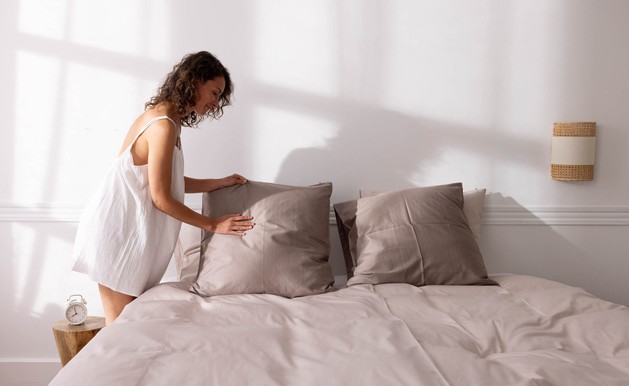
Neuro-architecture starts from a simple but powerful premise: the brain is constantly scanning its surroundings for signals of safety or threat. In our homes, this subconscious evaluation determines whether the nervous system can fully be at peace and relax. Layout, bed placement, colours, textures and materials all contribute to this internal dialogue. Even when we are not consciously aware of it, our bodies respond. A room can be visually beautiful and yet feel restless, while another may appear simple but immediately calming.
Within this context, home textiles in our bedroom play a particularly important role. Sheets, pillowcases and duvets are not just decorative layers; they are the primary point of contact between the body and the environment for several hours each night. When we get into bed, our skin is the first sense to register that the day is ending. The texture of the fabric, its temperature, its breathability and even its smell all act as signals to the nervous system. Soft, natural fibres help communicate safety and comfort, encouraging the body to let go of muscular and mental tension accumulated throughout the day.
Natural fibres such as organic cotton and linen behave very differently to synthetic materials at a physiological level. They are breathable, hygroscopic and thermoregulating, meaning they help maintain a stable climate around the body, which is crucial for sleep. The body needs to cool down slightly to fall asleep, but it also needs a sense of gentle enclosure. Fabrics that capture heat or prevent air circulation may disrupt this process, leading to restless sleep even if we do not consciously remember waking up. Beyond temperature regulation, natural fibres feel familiar to the body. There is growing evidence that the nervous system responds more positively to materials that are non-toxic, non-static and closer to what humans have interacted with for millennia. In neuro-architectural terms, these materials reduce sensory stress. They do not overstimulate the skin or trigger subtle alert responses. Instead, they create a neutral, grounding sensory field that allows the brain to shift more easily into parasympathetic mode, the state associated with rest and regeneration.
Kalani has explored these ideas for years through collaborations with sleep and home-design experts, examining how home textile-choices interact with spatial design. More recently, the brand has been working with neuro-architecture and feng shui expert Alexandra Bautista, founder of Architecture Vivante®, whose approach combines neuroscience, environmental psychology and conscious spatial planning. In her work, the bedroom is understood as a regenerative zone, a place where every element should support the regulation of the nervous system. Materials that are natural, ethically produced and sensorially calm play a central role in this process, as they help the body feel safe enough to truly rest.

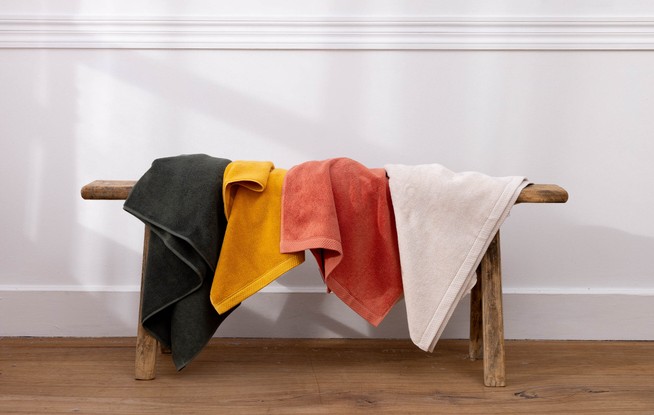
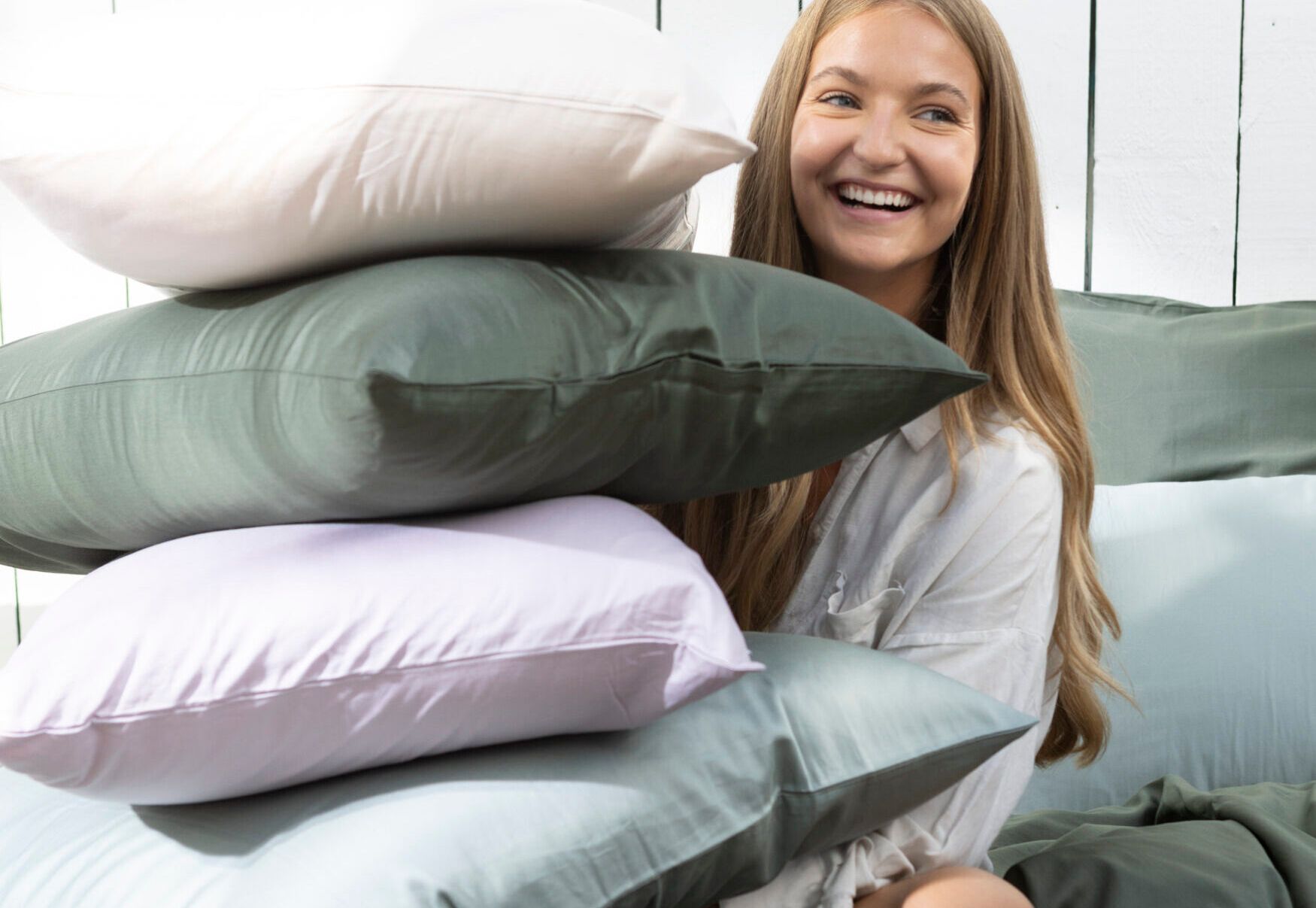
Colour is another powerful, often underestimated factor. While bedding is frequently chosen based on trends or personal taste alone, colour has a direct impact on perceived temperature, emotional tone and nervous system activity. To give this a direct context: cool, soft blues hues can lower perceived body temperature, while more intense warm colours may stimulate and activate. The pillowcase, positioned close to the head, is especially influential. Strong, vibrant colours near the face can subtly energise the brain, making it harder to disengage, whereas softer, muted skind and tones tend to support calmness and grounding.
That said, neuro-architecture does not believe in universal formulas. There is no single “correct” colour or texture for everyone. Each person’s nervous system is shaped by personal history, emotional associations and life circumstances. What feels soothing to one individual may feel unsettling to another. This is why conscious home design encourages observation rather than rigid rules. Noticing how different fabrics or colours make you feel when you lie down, how quickly you relax, or how you wake up the next morning can offer valuable insights into what your body needs. Bedding becomes part of a personal ritual rather than a static object. Changing sheets is not only a practical act, but an opportunity to reset the sensory atmosphere of the rooms in which we rest to face our daily agenda.
Kalani Home’s focus on GOTS-certified natural fibre textiles fits seamlessly into this understanding of sleep as an embodied, spatial experience. Their use of materials is not about trends, but about creating textiles that work with the body rather than against it. Free from harmful residues and designed for durability, these materials are meant to be touched daily, night after night, without overwhelming our senses.


In a world where sleep is increasingly disrupted by stress, screens and overstimulation, neuro-architecture invites us to look closer to home for solutions. Our home, and especially the bedroom itself, holds immense potential as a space of recovery. Through thoughtful design, natural materials and a deeper awareness of how our environments shape us, rest can once again become something intuitive and nourishing. Sometimes, improving sleep does not start with doing more, but with choosing better what surrounds us when we finally allow ourselves to rest.