Dyeing is an important stage of textile processing. It brings colour to fabrics and helps turn materials into the textiles and clothing we use every day. It is also a stage where choices about chemical inputs, water and wastewater management become particularly relevant.
For SALZWASSER, a German brand with GOTS-certified products, these processing stages are an important part of the conversation about how textiles are made.
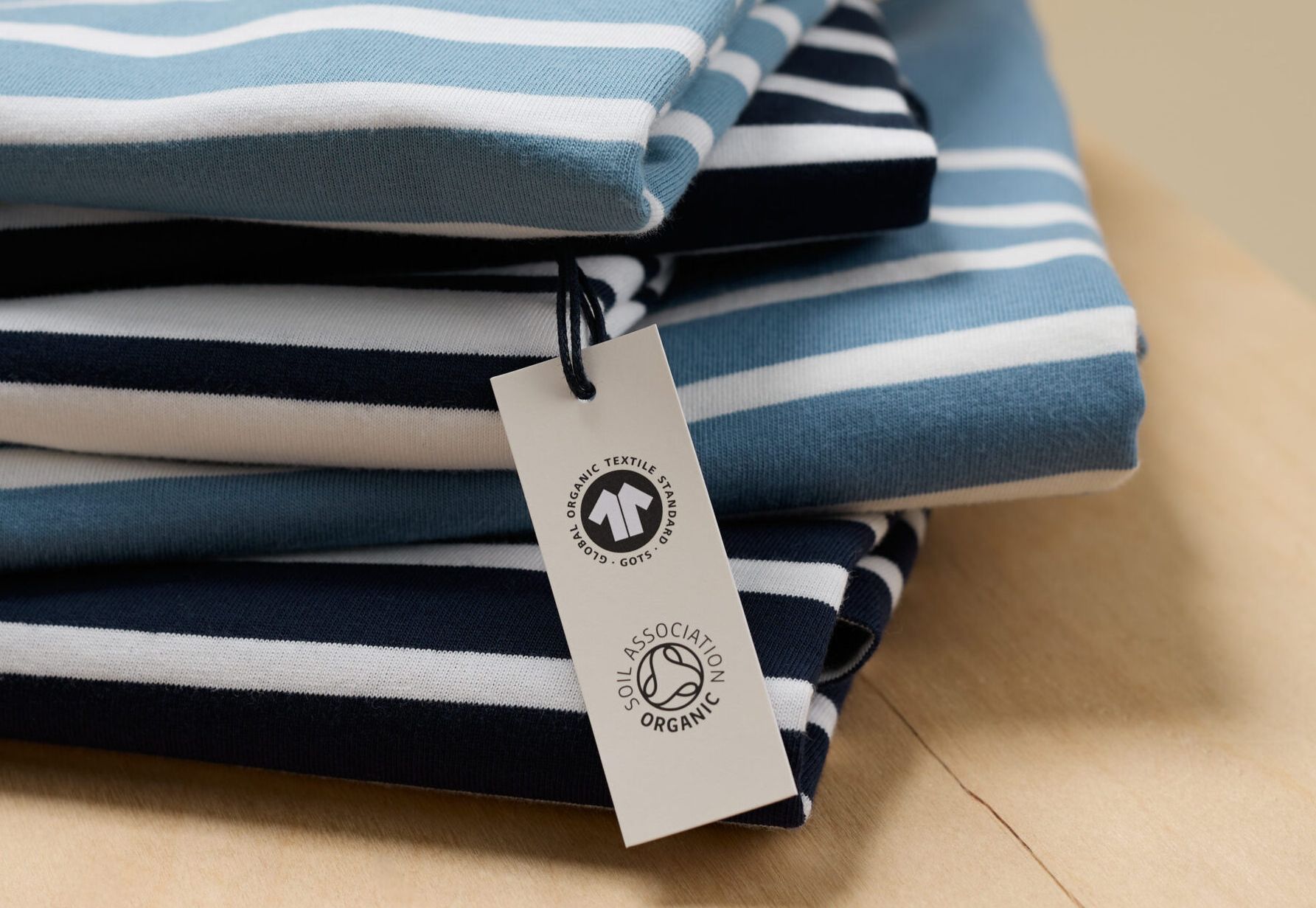
“We wanted a certification that covers every step and not just the raw material. That’s why we chose the GOTS label,” says founder Lennart Henze.
More precisely, GOTS applies requirements across textile processing after raw fibre production, including first processing, manufacturing and trading. Wet processing, including dyeing, is one of those areas. GOTS sets criteria for chemical inputs used in textile processing as well as requirements relating to wastewater management. These requirements provide defined criteria against which certified operations can be assessed rather than treating dyeing simply as an unseen step between fibre and finished garment.
SALZWASSER also has its GOTS-certified textiles tested by the Bremer Umweltinstitut for specified substances, including formaldehyde and certain heavy metals. Such testing can provide information about the substances covered by the particular analysis. It should not, however, be understood as establishing that a finished textile is entirely free from harmful substances or is harmless under all circumstances.
For Henze, focusing on dyeing and other processing stages is an important part of SALZWASSER’s approach to its products. “The environmental impact of dyeing is enormous,” he explains.
GOTS certification provides a framework of defined requirements that applies to these processing stages. Rather than making a broad claim that a product or dyeing process is simply “sustainable” or environmentally harmless, certification allows brands and consumers to identify the requirements against which processing within the certification scope has been independently assessed.
For customers, that means looking beyond the fibre itself and considering the processing stages that turn fibre into fabric and fabric into a finished textile.
For SALZWASSER, colour is therefore not only about the finished look. Dyeing is also a processing stage where defined requirements for chemical inputs and wastewater management can be applied and independently assessed through GOTS certification.
Would you like to have a further look into SALZWASSER’s dying facilty? Click here!