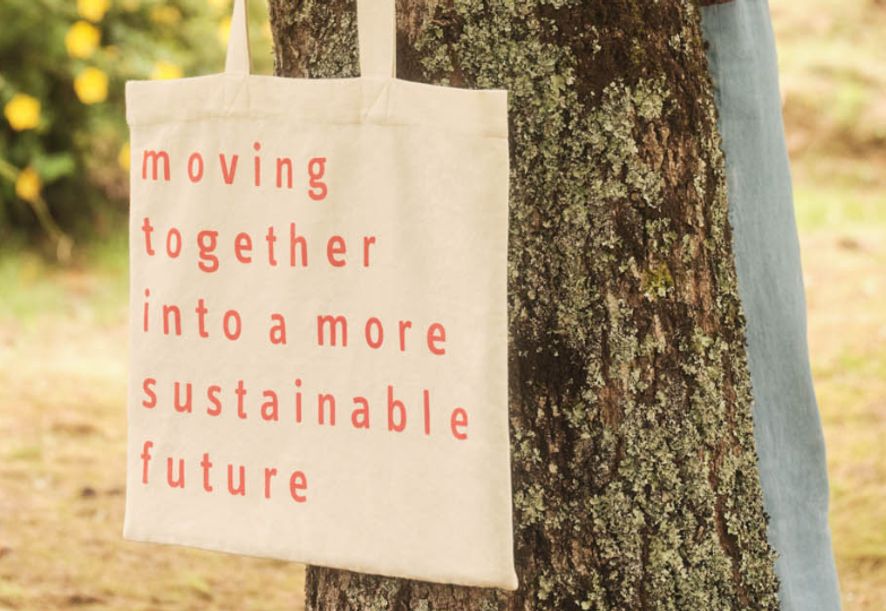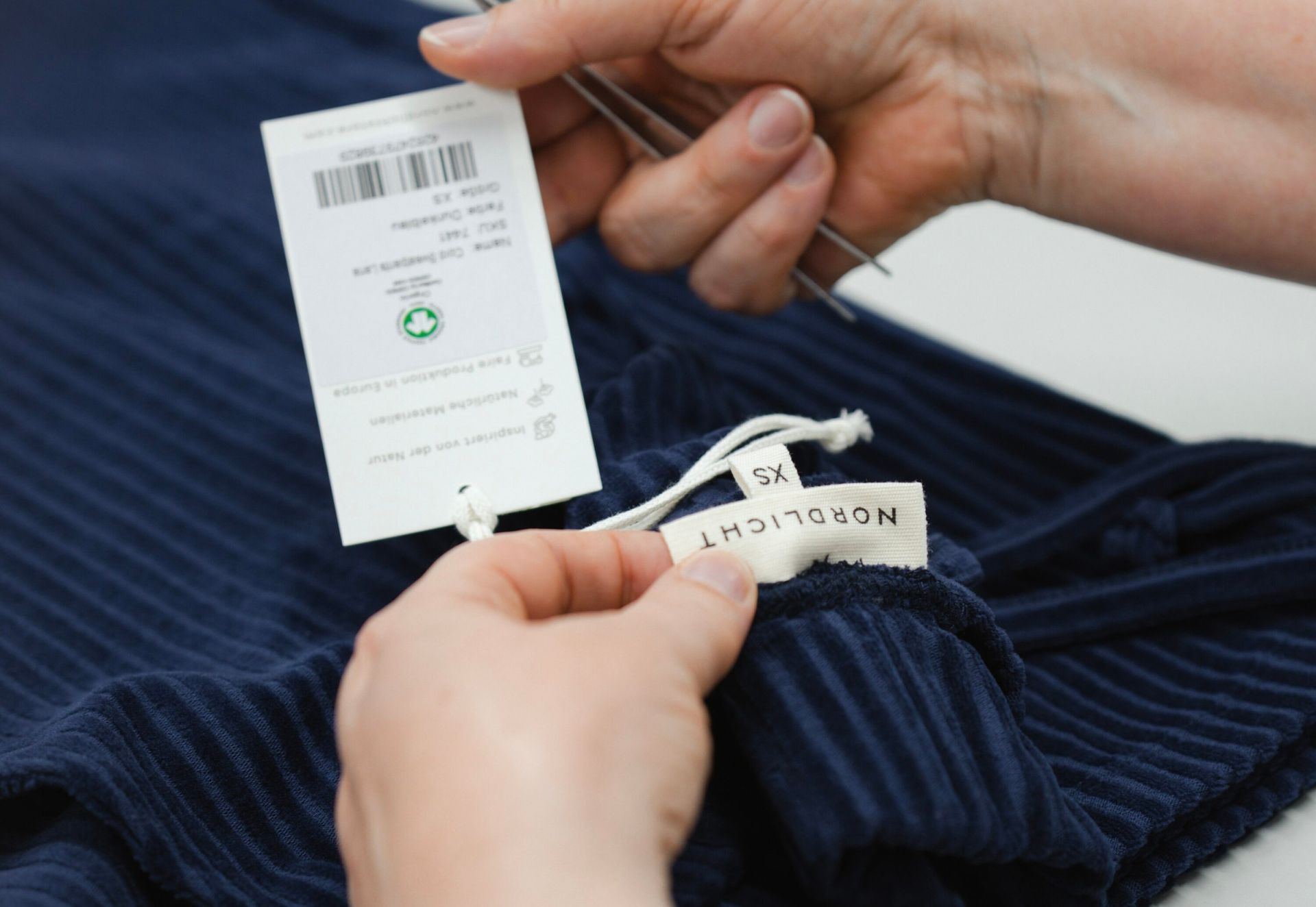
Today, when we hear the term “circularity” in the textile industry, our minds often jump to recycled plastics – from bags to coats made with recycled synthetic fibres. But discussions about circularity in textiles are not limited to recycled synthetic materials. Natural fibres also form part of the wider conversation about materials, textile processing and what happens to products and materials at the end of their useful life.
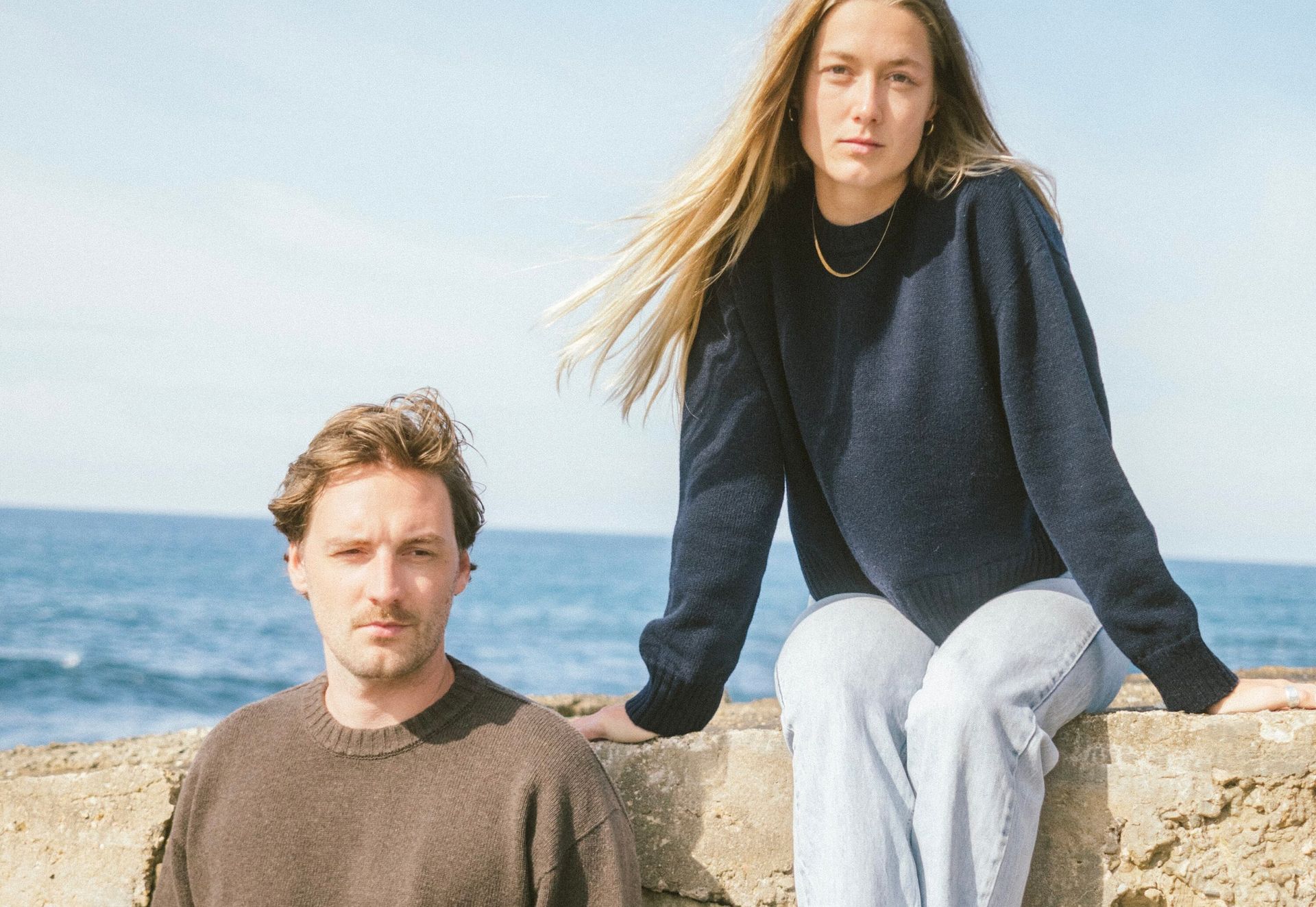
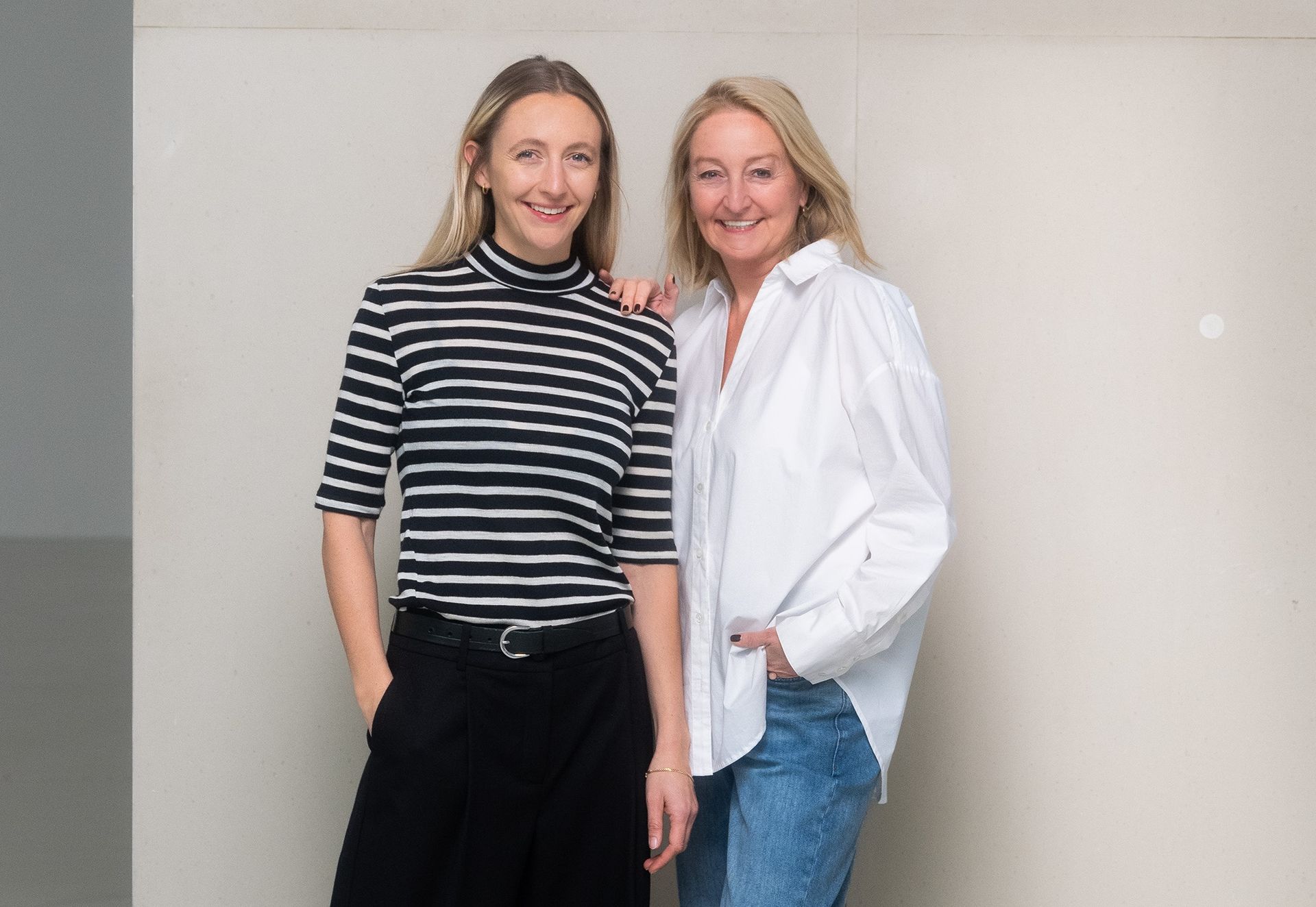
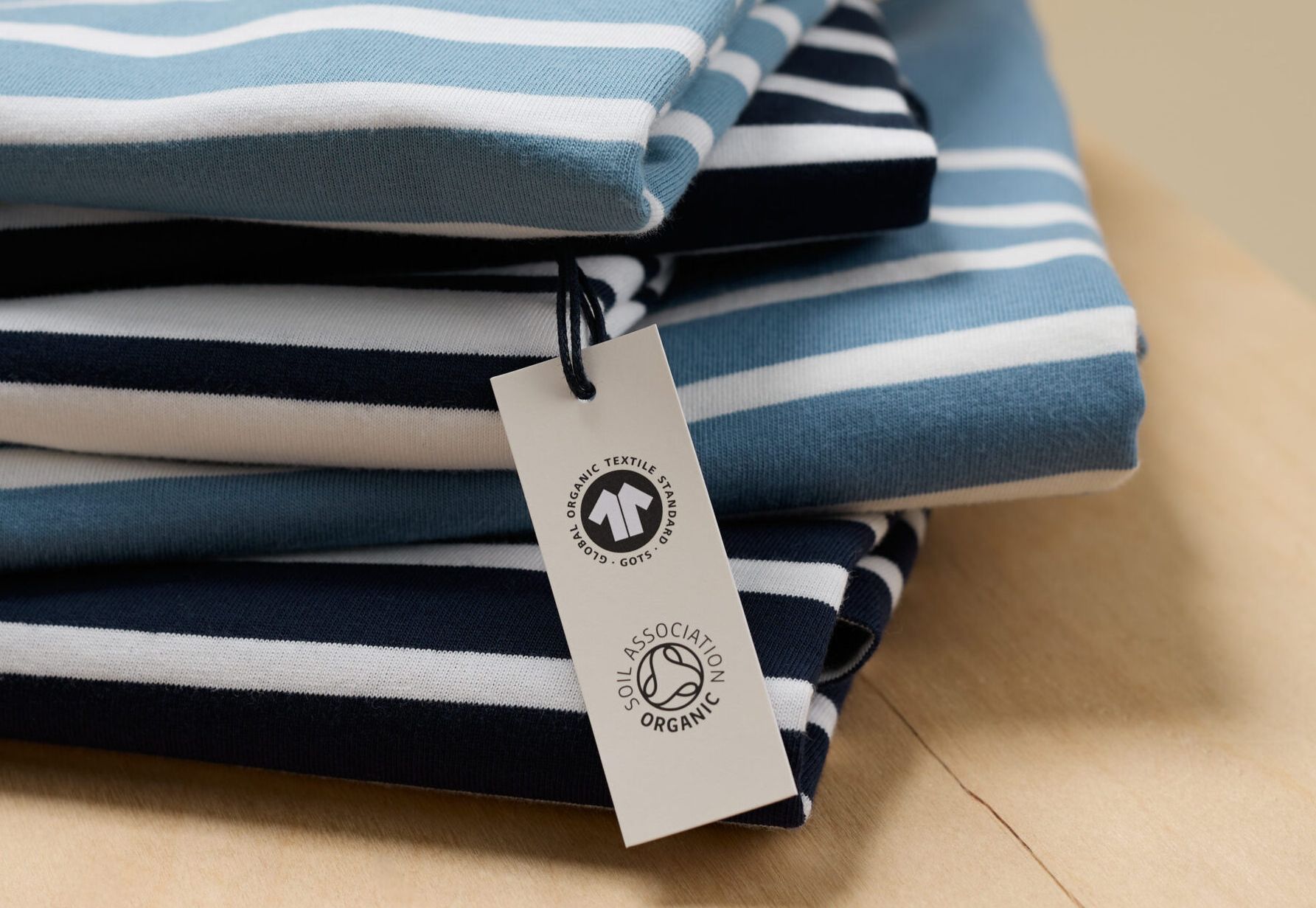
One brand exploring this space is Nordlicht, a GOTS-certified label founded in Germany by friends Maritta and Nico. Their approach brings together fashion, materials and considered design. Through its GOTS-certified products, Nordlicht also participates in a certification programme that sets requirements for textile processing after raw fibre production. Compliance with GOTS requirements is independently assessed and certified by accredited third-party Certification Bodies.
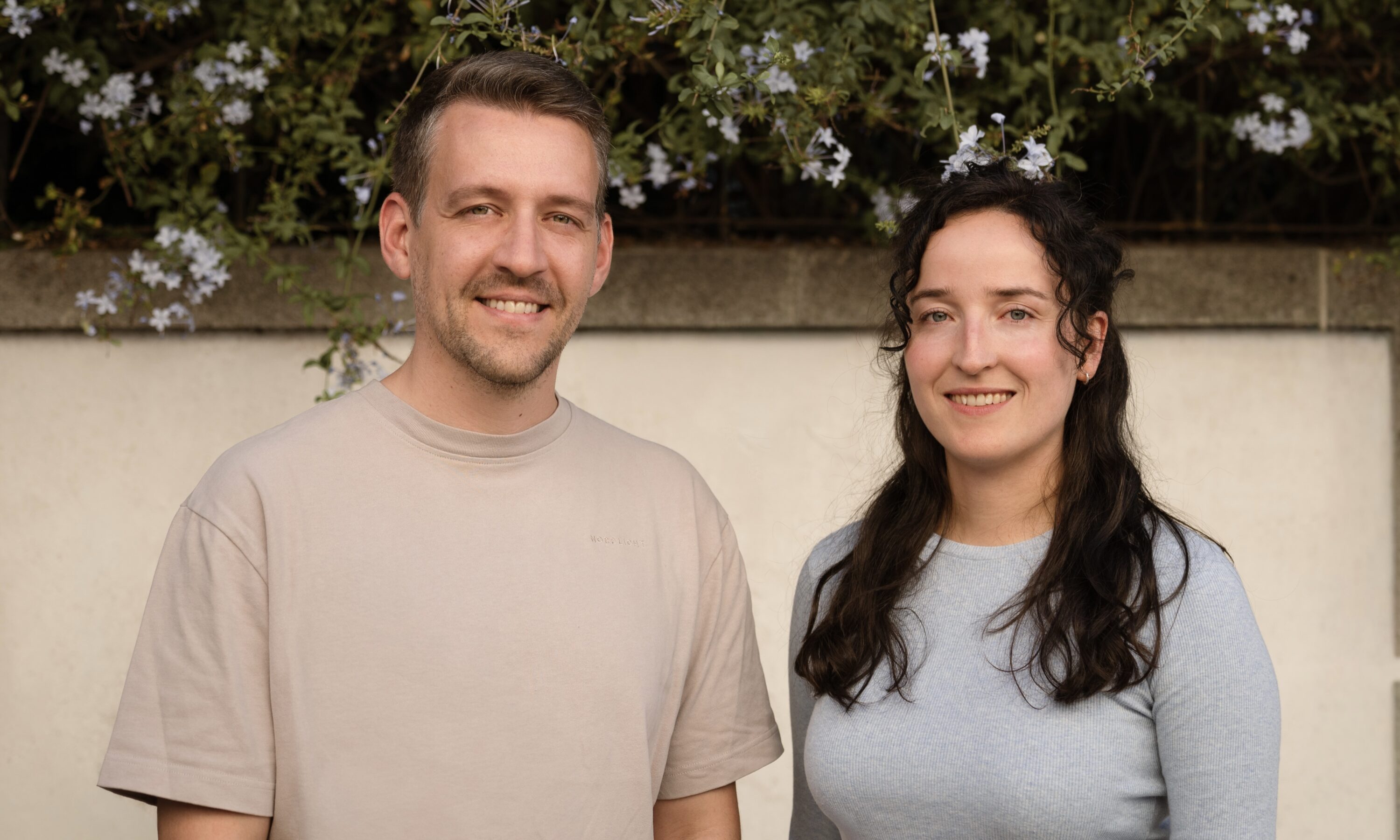
“We believe that fashion is only truly sustainable if it is worn for a long time and can return to the natural cycle at the end of its life. High-quality, natural fabrics are the basis for this.”
From the very beginning, Nordlicht has approached its collections with a simple idea: to think carefully about the materials that go into its clothing and what happens to garments over time. The team works mainly with materials such as organic cotton, linen, lyocell and wool, choosing them alongside considerations such as feel, function and durability.
For Nordlicht, this material-focused approach forms part of a broader interest in circularity: thinking beyond the moment a garment is purchased and considering how it is used, cared for and kept in use. Rather than treating circularity as a single material choice or outcome, the brand brings these considerations into its approach to design.
Circular thinking also shapes how the brand designs and produces. Nordlicht aims to create timeless garments that can be cared for and repaired rather than quickly replaced. Its pieces are produced in Portugal, and the brand places an emphasis on maintaining close relationships with its production partners.
Nordlicht became GOTS-certified in 2024, adding independent certification against defined requirements to this approach. GOTS covers textile processing after raw fibre production, including first processing, manufacturing and trading, and sets environmental and social requirements within this scope.
For Nordlicht, certification also provided a framework for reviewing its processes and working with suppliers against defined requirements. Rather than serving as proof of a broad claim about sustainability or responsibility, certification provides a way to demonstrate conformity with the requirements of the GOTS programme.
Nordlicht’s story offers one perspective on how brands can bring longer-term thinking into the way clothing is designed, made, cared for and used. It also illustrates the role that clearly defined and independently assessed certification requirements can play in textile production.