The textile industry is undergoing a transformative shift, driven by an urgent need to address its environmental impact. Many organisations are at the forefront of this movement, two of them being us, Global Standard and Drip by Drip! We recently sat down to discuss our shared vision of a sustainable future, responsible use of resources and how we as consumers can help shape a more conscious future.

Here’s what we learned about our common efforts to promote water conservation and organic textile production:
The Power of Partnership
When asked about the synergy between Global Standard and Drip by Drip, the response was clear: collaboration amplifies impact! Both of us recognize that our combined efforts can support sustainable practices and raise awareness on a global scale – and maybe even influence policies.
“Together, we can inspire brands to integrate comprehensive sustainability practices—from organic certifications to water conservation programs—especially in regions where they are most needed,” Yared from Drip by Drip notes.
Two Sides of the Same Coin: Water and Organic Textiles
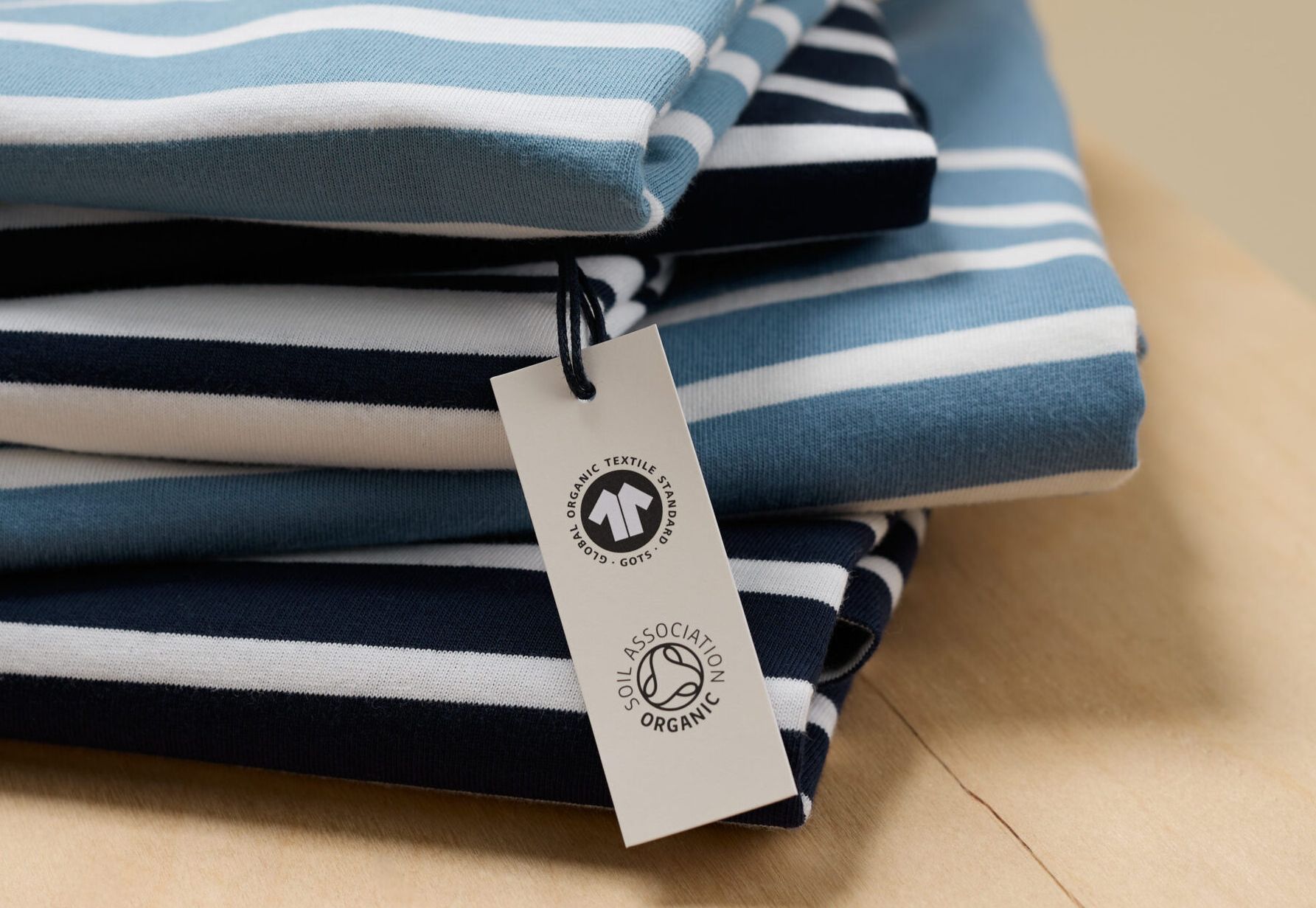
Water conservation and organic textile production are intrinsically linked. By eliminating harmful chemicals, organic farming not only enhances soil health but also protects vital water sources from contamination. Drip by Drip’s focus on efficient water use complements GOTS’s strict ecological criteria, creating a holistic approach to sustainability. As they explained, “Every stage of textile production—from cultivation to manufacturing—must be environmentally responsible. Together, we can tackle these challenges more effectively.”
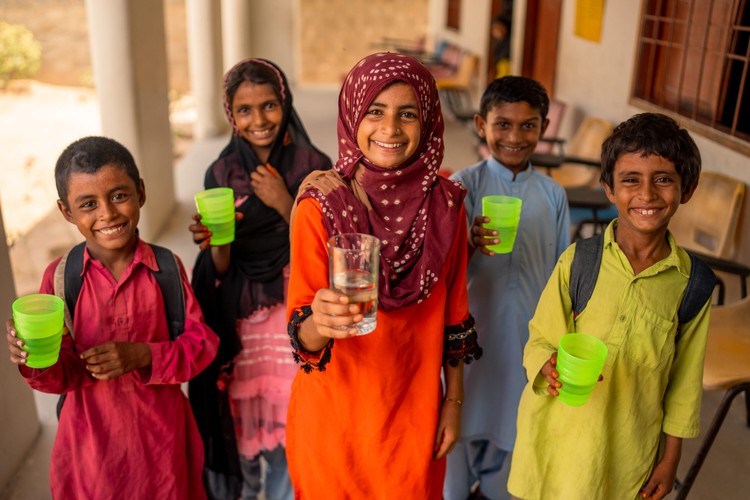
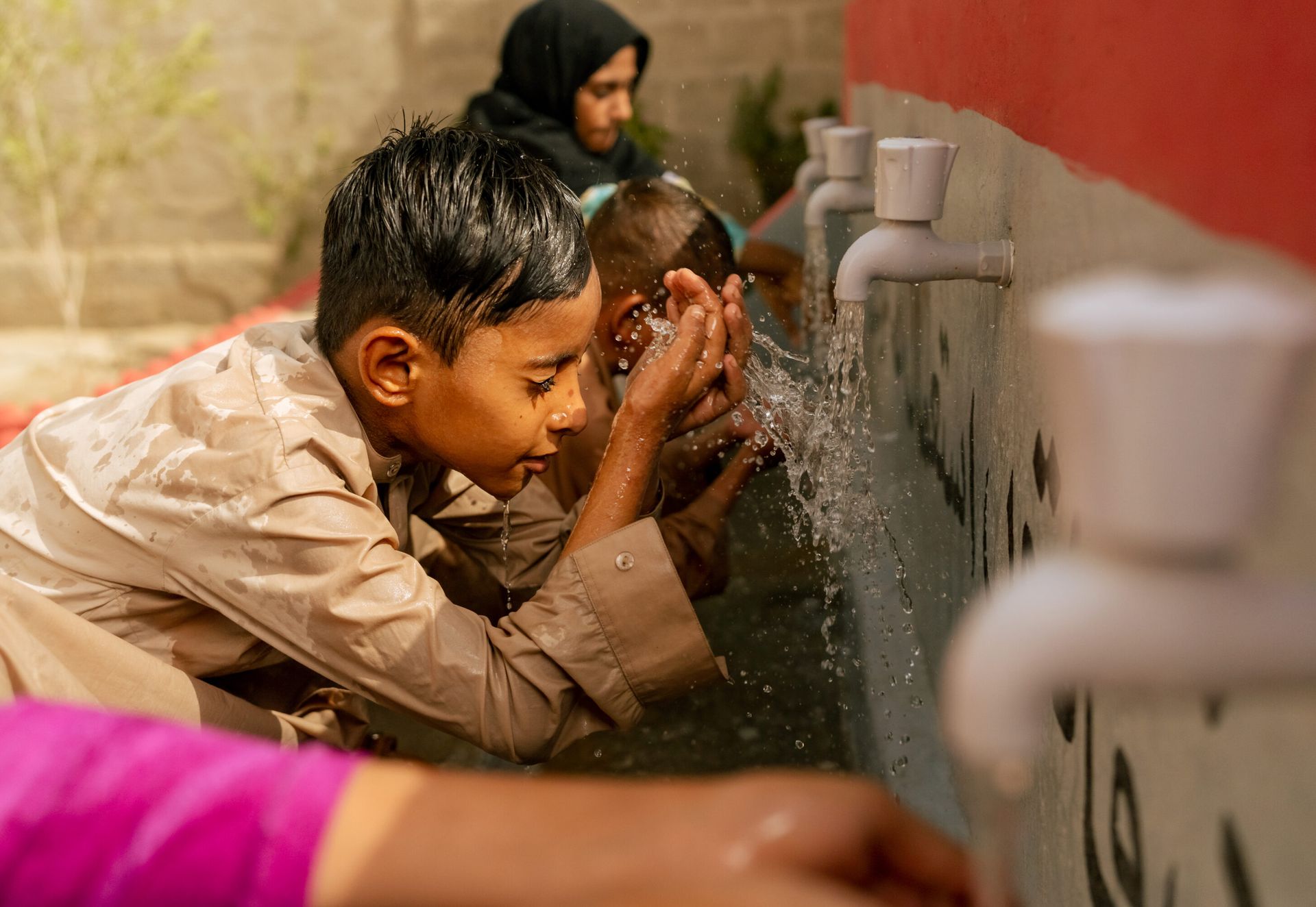
Let’s have a look at an actual project of Drip by Drip: In partnership with the Hisaar Foundation, Drip by Drip is making significant strides in providing safe drinking water and sustainable solutions to communities in Pakistan affected by the textile industry’s environmental impact. Through its Water, Sanitation, and Hygiene (WASH) initiative, the project focuses on schools in Gudap Town, located on the outskirts of Karachi in the Malir District, creating meaningful change for local families and students.
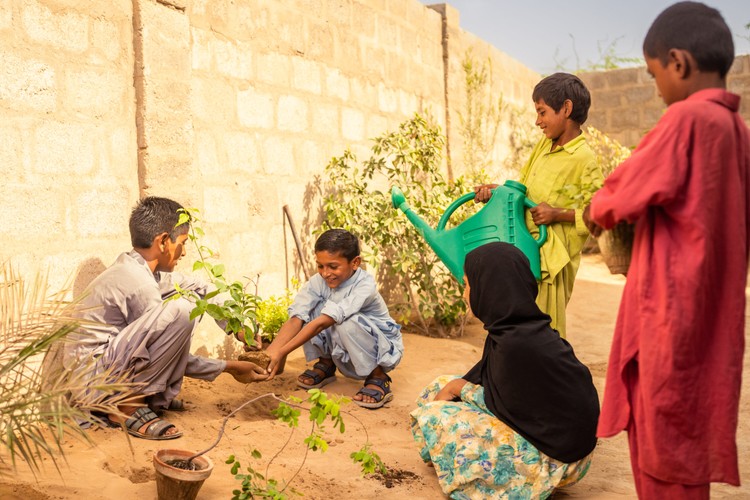
The WASH project tackles the pressing issue of water pollution in these regions with a strong textile industry by implementing multifaceted solutions:
- Cleansing Natural Water Resources: Efforts to purify polluted natural water sources are increasing the availability of clean, fresh water for local populations.
- Access to Clean Drinking Water: Schools are equipped with Reverse Osmosis filtration systems, ensuring communities have access to safe drinking water.
- Improved Sanitation Infrastructure: Schools are fitted with wetlands, septic tanks, new toilets, and group handwashing facilities to promote better hygiene practices.
- Kitchen Gardens and Sustainability: Schools are established with kitchen gardens and provided with seeds, fostering self-sufficiency and food security.
- WASH Clubs and Training: These clubs educate students, teachers, and staff on water conservation and management, instilling long-term sustainable behaviors.
Currently, the project benefits 189 students, 21 teachers, and staff at schools, and 100 local families, representing approximately 700 individuals. Today, six WASH facilities have been implemented, with 15 more expected to be completed by January/February. An additional nine facilities are in the planning phase, ensuring the continued expansion of this impactful initiative.
The WASH project exemplifies how targeted interventions, and awareness can address the negative consequences of industrial water pollution. By focusing on education, clean water access, and sustainability, the project empowers communities to secure a healthier and more sustainable future.
Setting New Benchmarks for Sustainability
We all agree that innovation is key to furthering our goals. From waterless dyeing technologies and closed-loop water systems to regenerative agriculture and stricter wastewater standards, the industry must embrace cutting-edge solutions. These approaches not only reduce the environmental footprint of textiles but also set new standards for sustainability.
When envisioning the future, Drip by Drip outlined several promising initiatives – some even go hand in hand with a GOTS certification. They emphasized the importance of providing tangible benefits for workers and communities in the Global South, where water scarcity is most acute.
Challenges and Opportunities
Achieving true sustainability is no small feat. The industry’s tendency to prioritise short-term gains often comes at the expense of long-term viability. However, this challenge also presents an opportunity to innovate and lead by example. “By uniting farmers, manufacturers, policymakers, and brands around shared commitments to sustainable practices, we can foster meaningful change,” Yared explains. Transparent reporting and consumer education will be critical in shifting mindsets and creating demand for responsible fashion. And we cannot agree more – true power lies in the hands of consumers’ everyday choices to go for more sustainable products!
Transparency is a cornerstone of both organisations’ philosophies. Regular impact reports, open communication with stakeholders, and consumer education are all part of our approach. Drip by Drip’s mantra, “Water First. Fashion Second.,” underscores the need for accountability and responsibility throughout the supply chain. By fostering trust, they hope to inspire other brands to join their mission for a sustainable textile industry.
“We are all in this together!”
Our exchange with Drip by Drip highlights the potential for meaningful change when we all unite their efforts. For consumers, it serves as a reminder of the power of informed choices. Every purchase supports either progress or the status quo.
Let’s choose progress—because #behindtheseams, there’s a story worth telling and caring for!