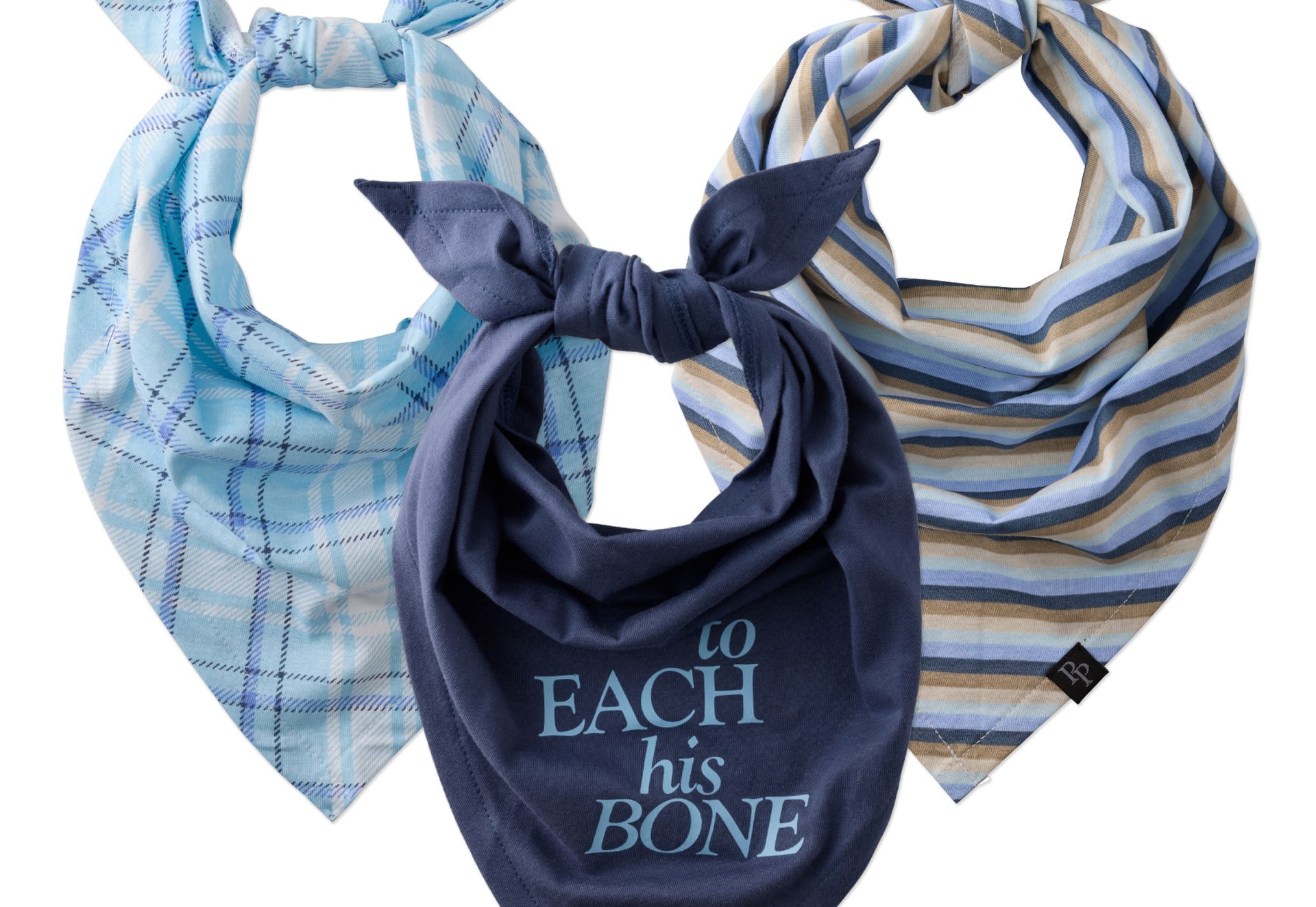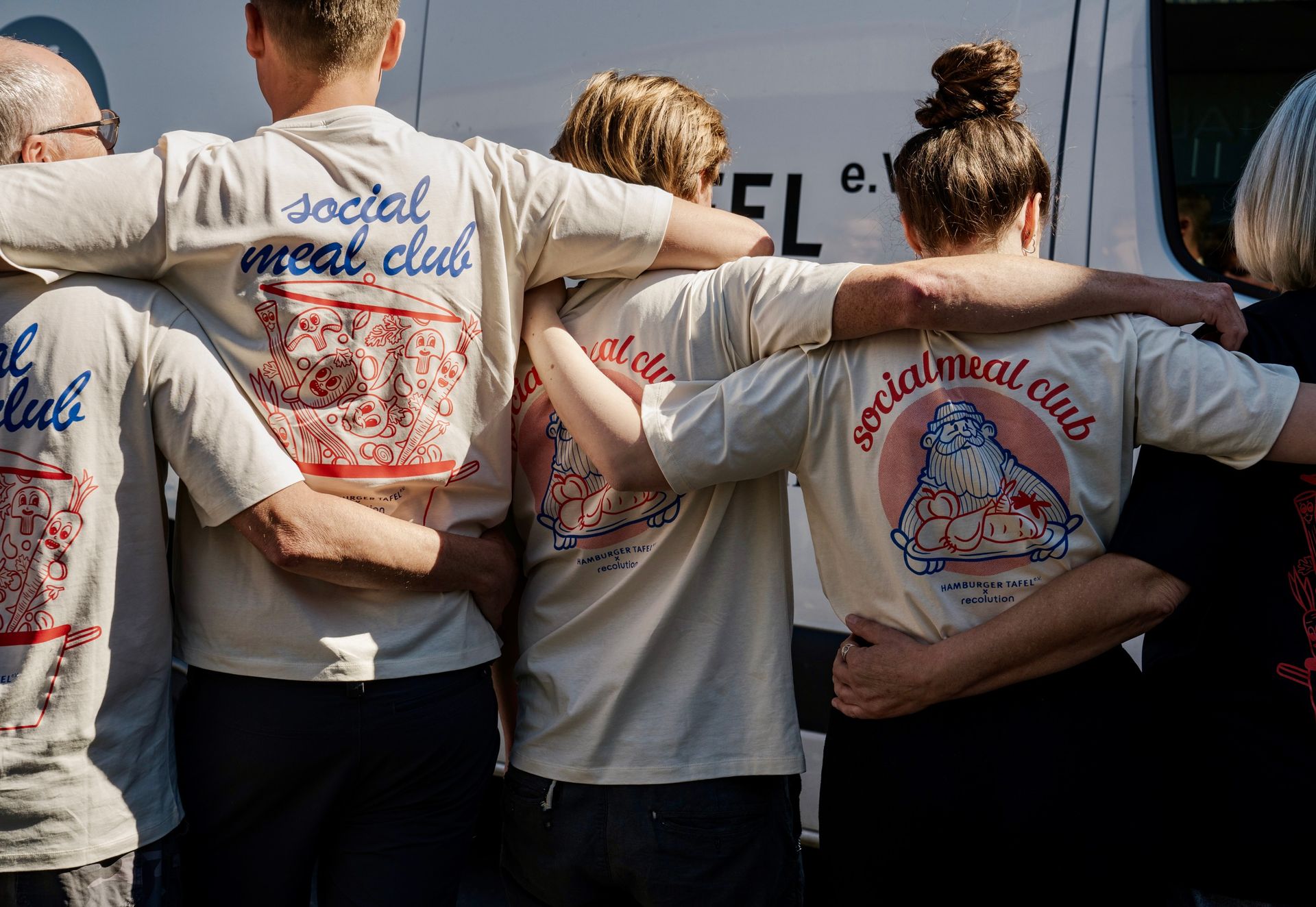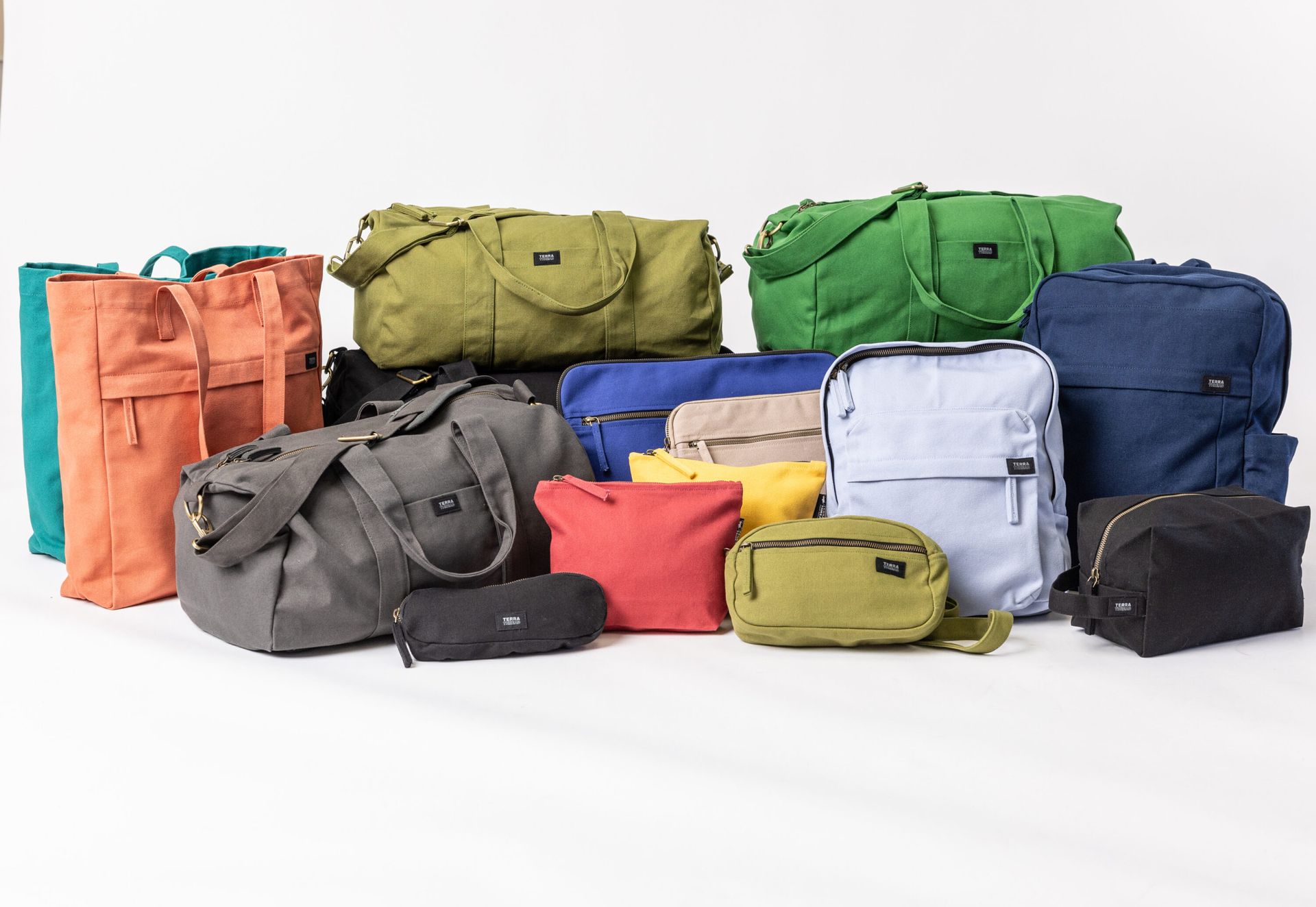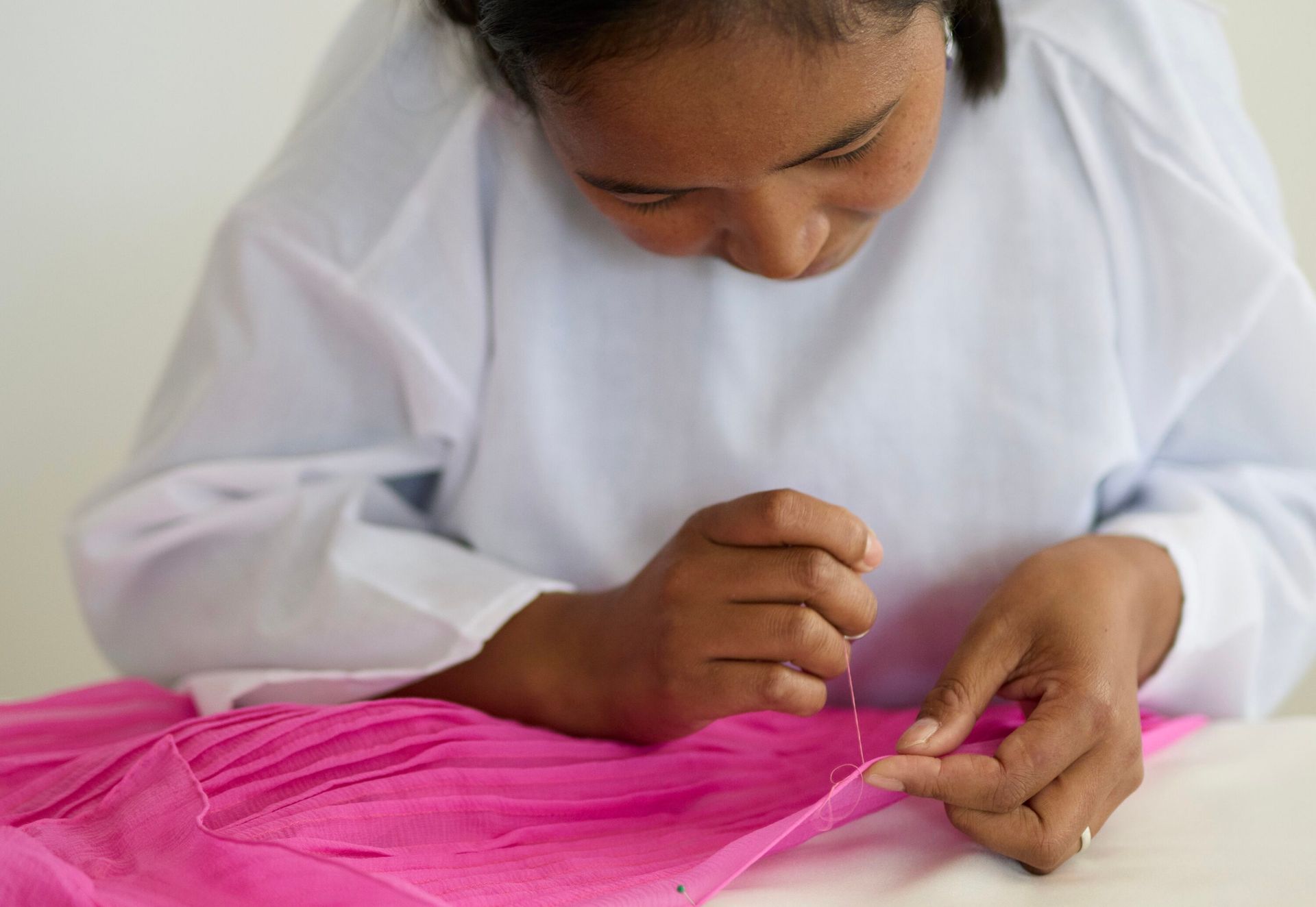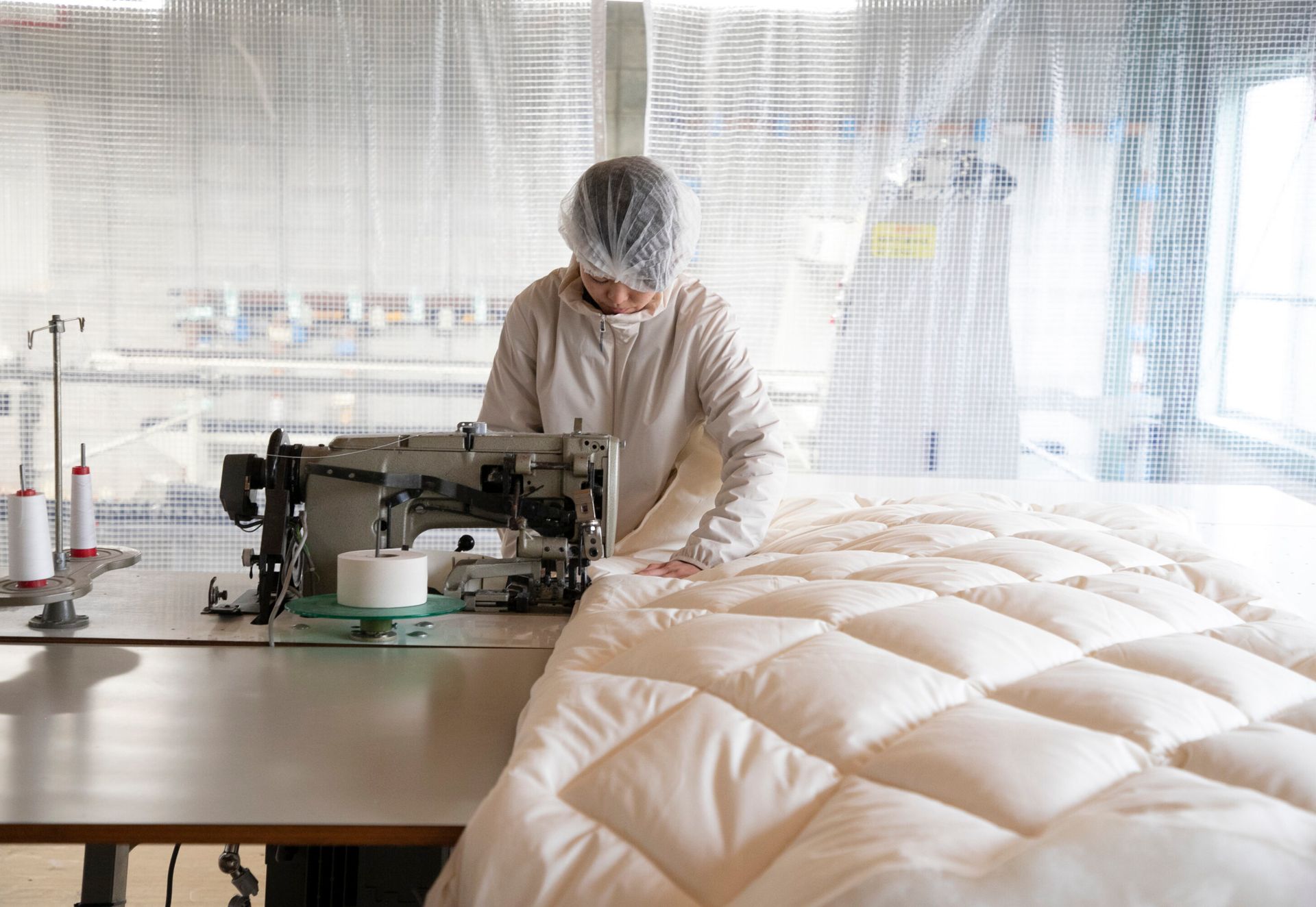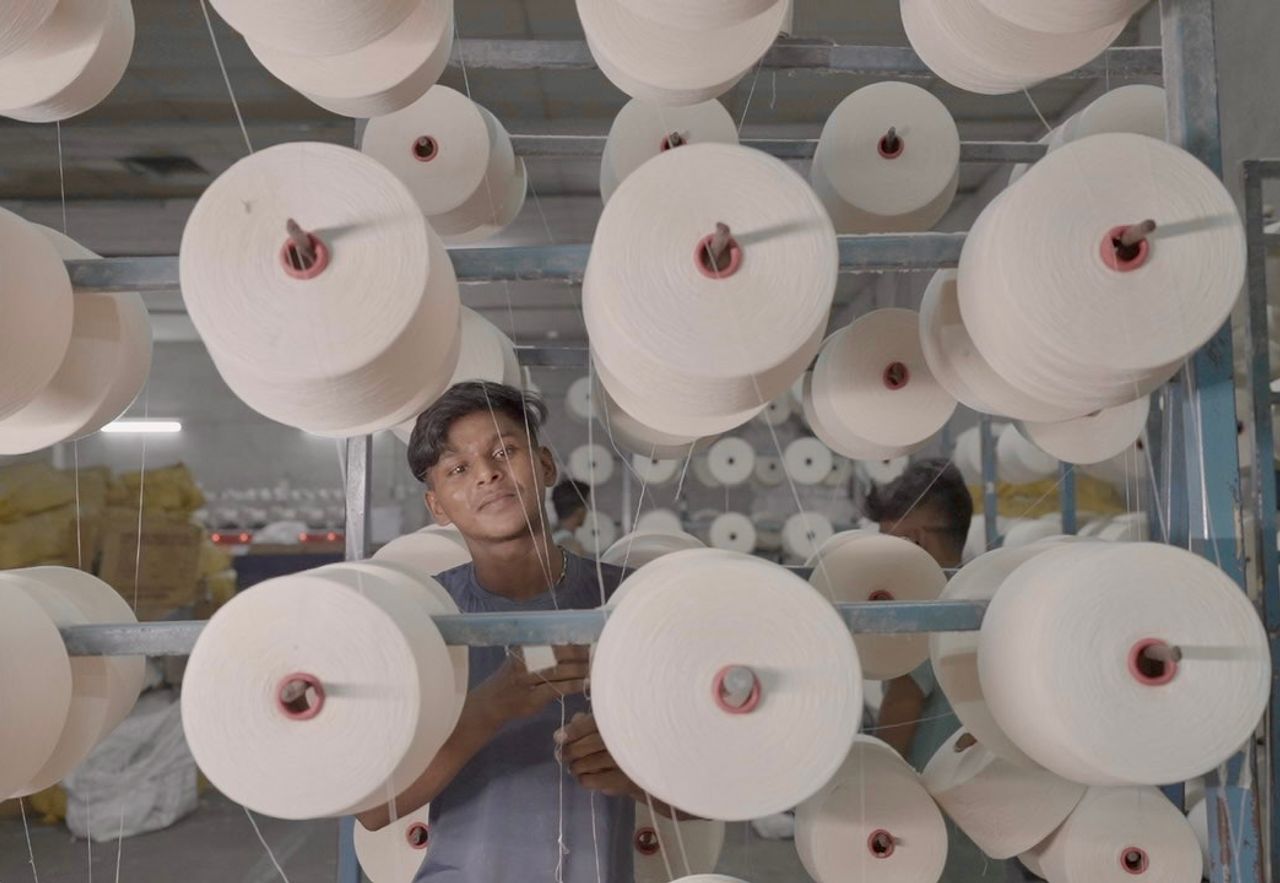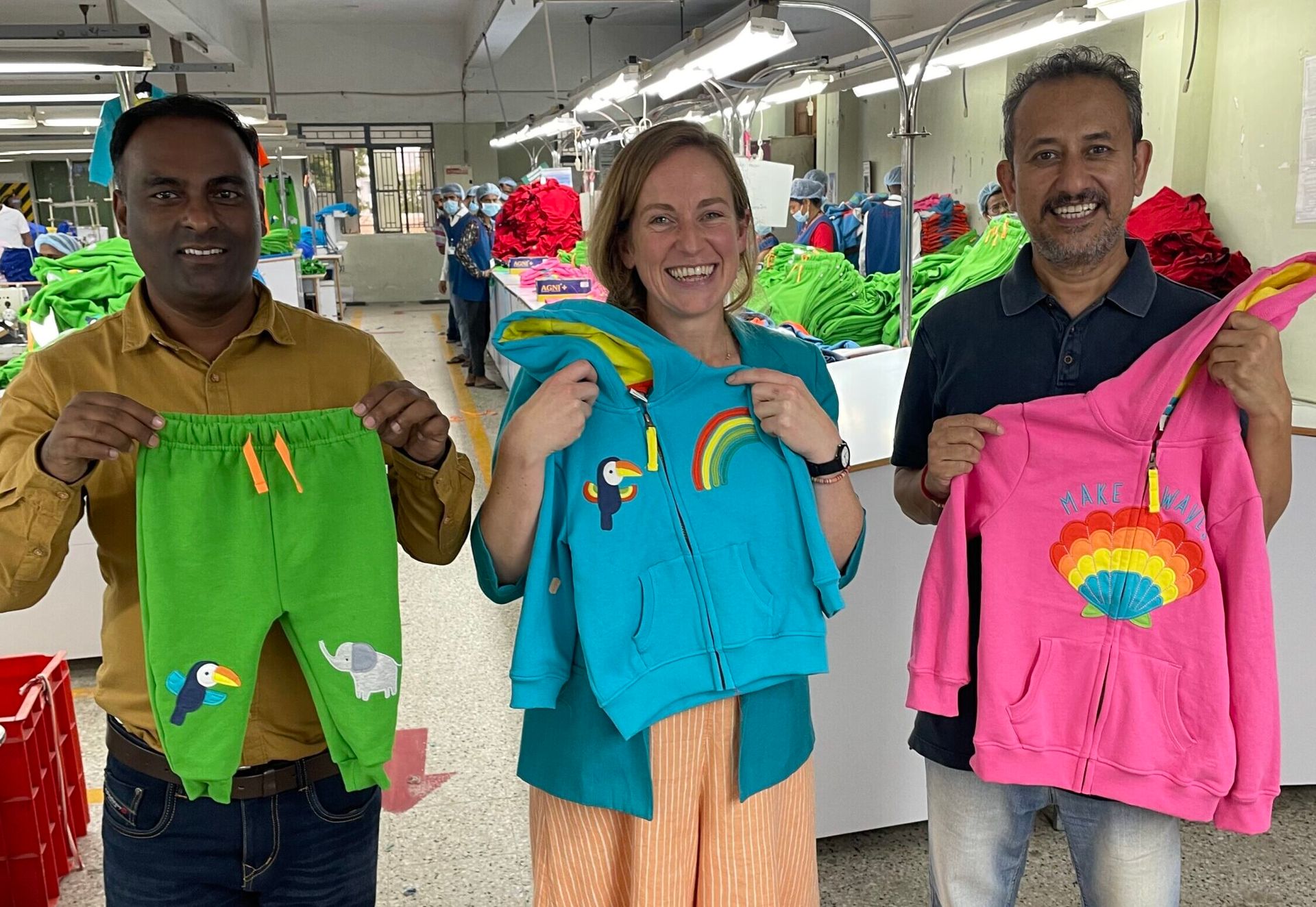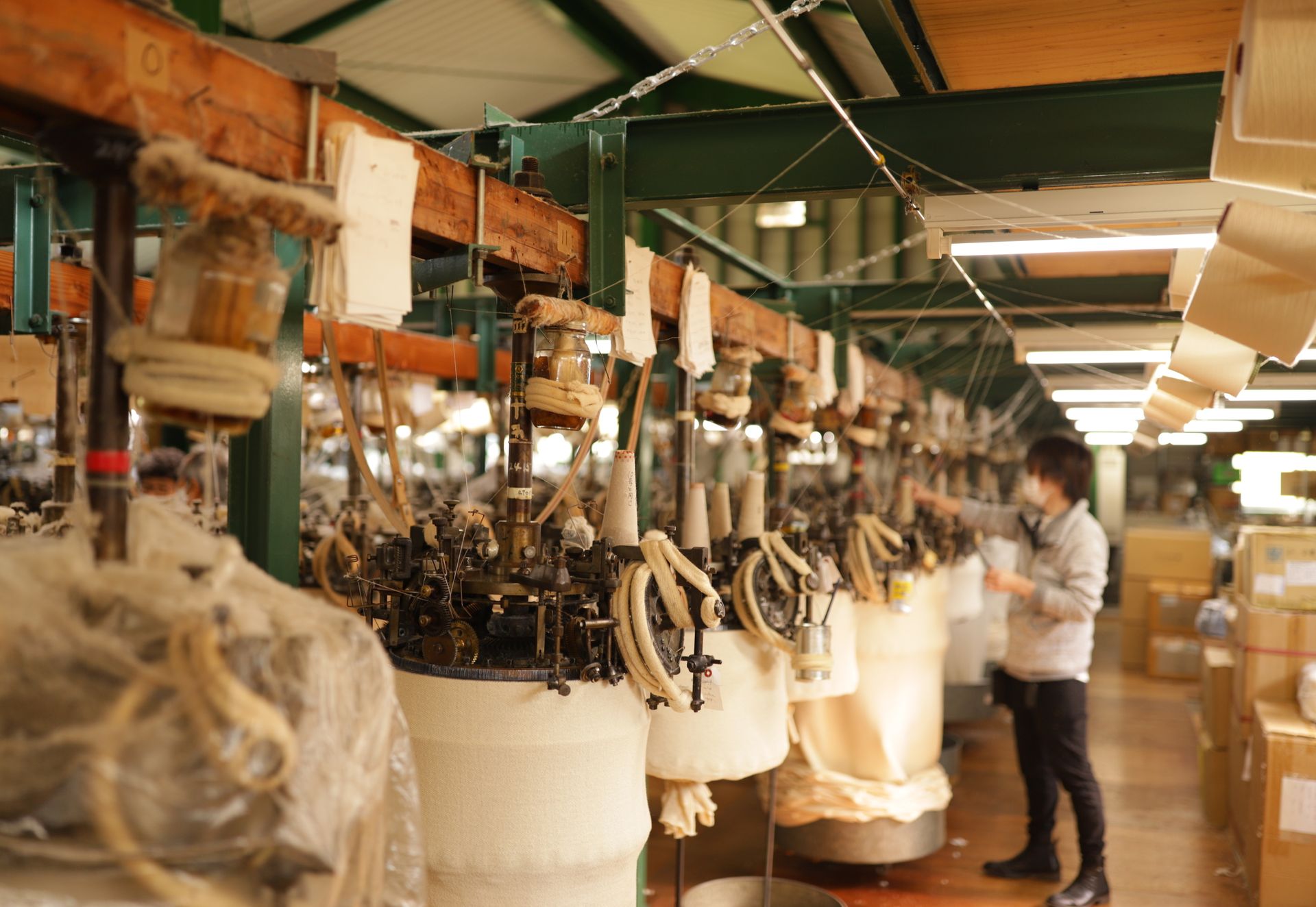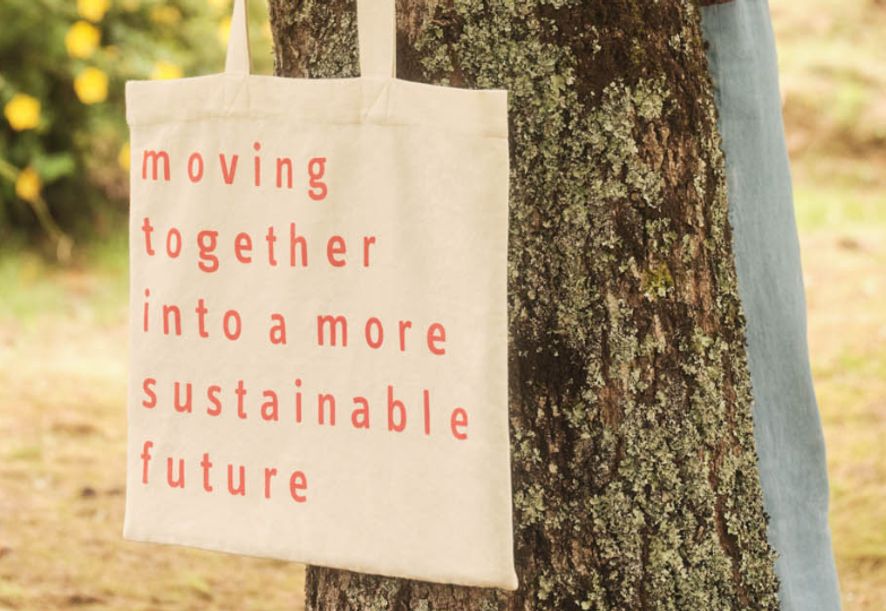
You pull a shirt over your head, zip up a pair of jeans and maybe grab a tote bag on the way out the door. But have you ever wondered what it takes to stitch the fabric, weave the linen, dye the threads and prepare fibres for textile production?
Like many things in our daily lives, it’s easy to overlook the different stages, skills and processes behind the textiles we use.
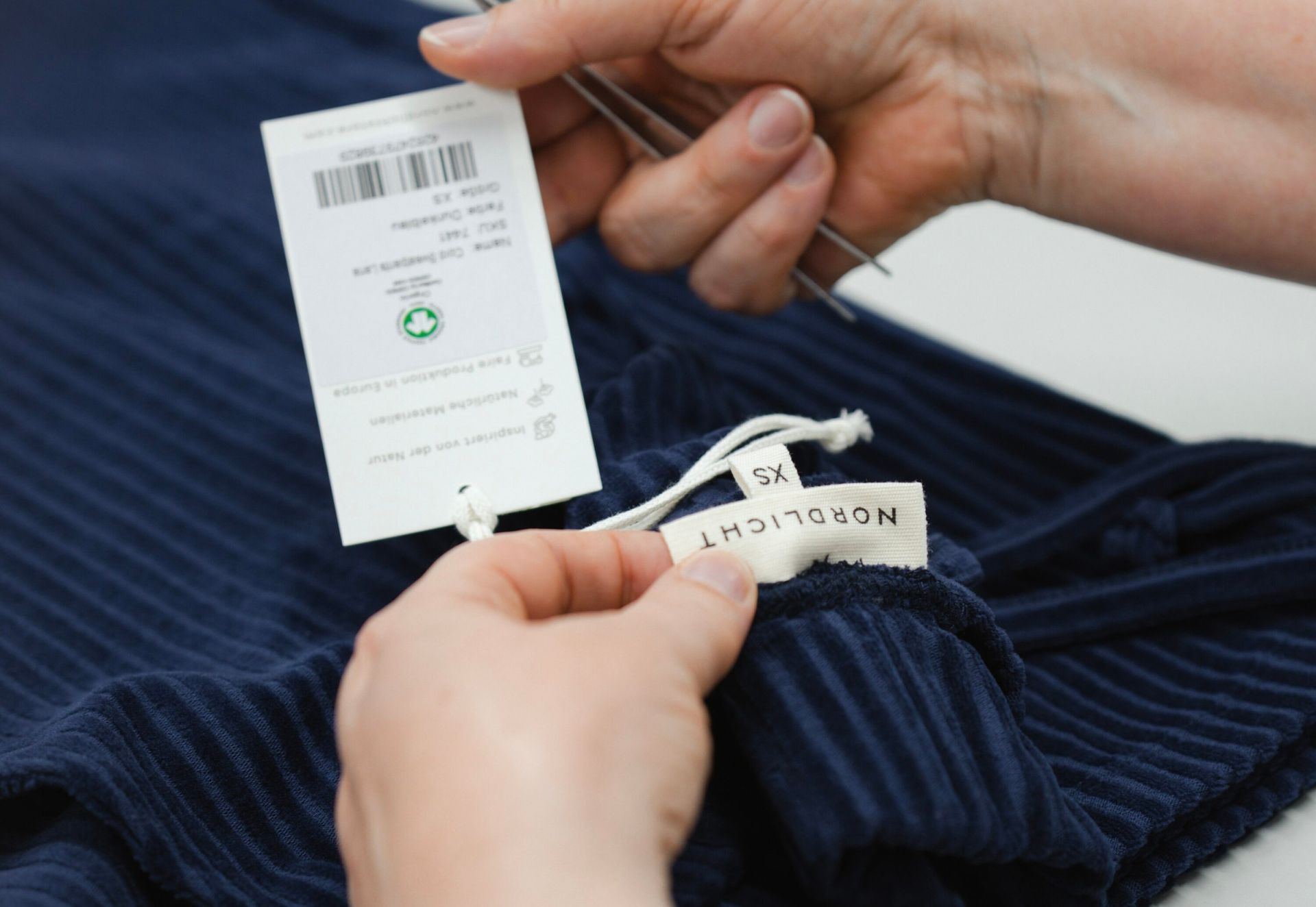
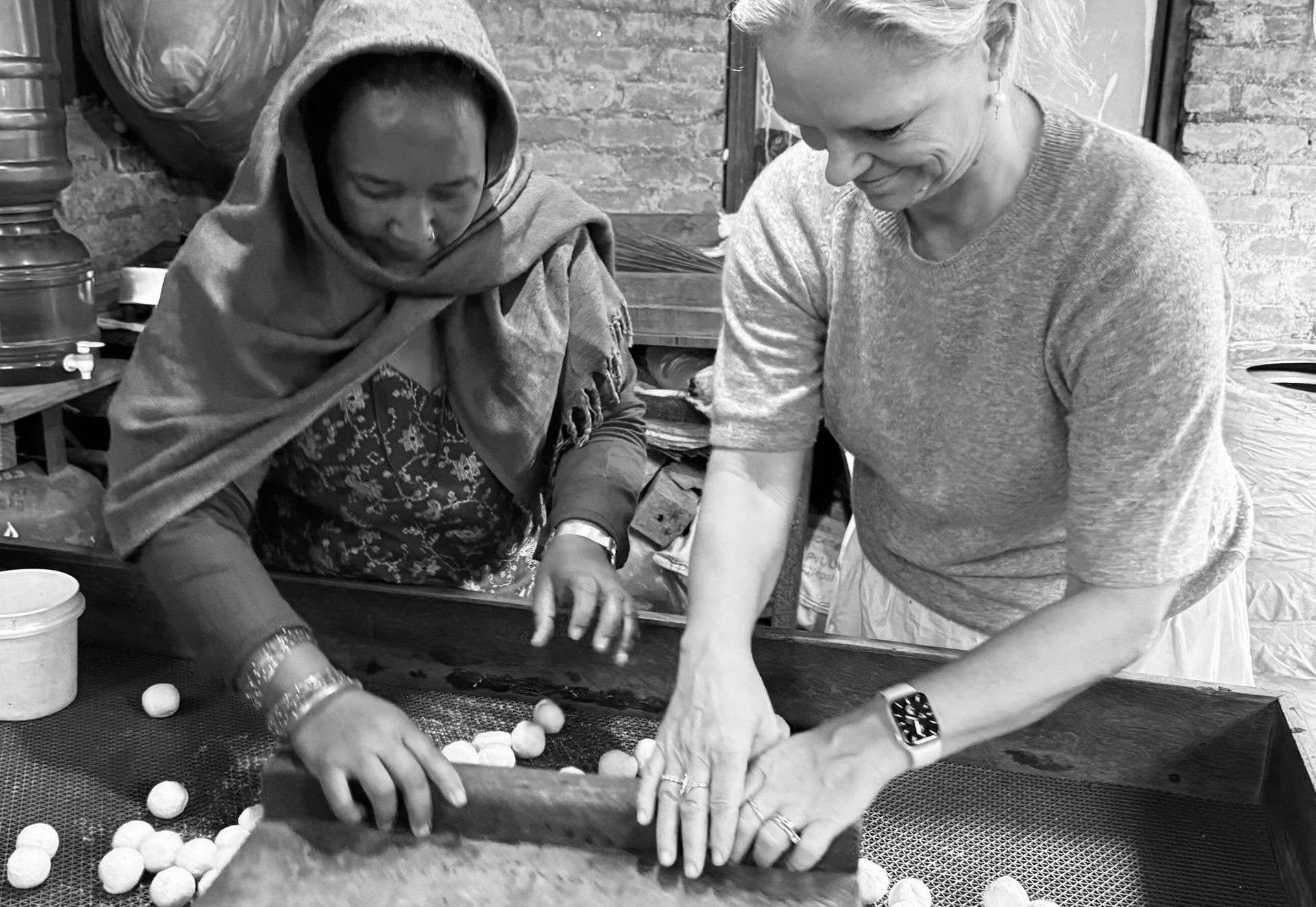
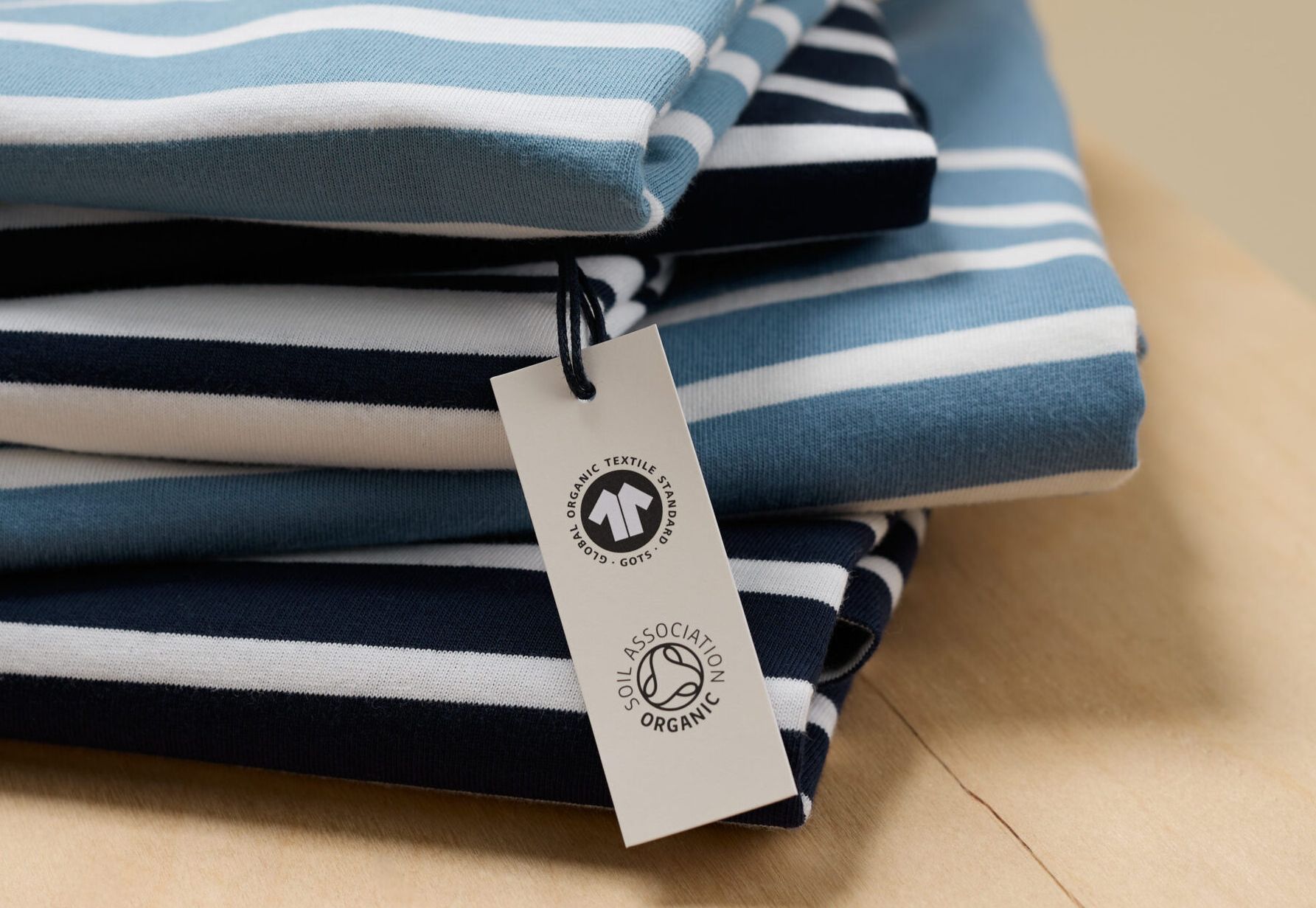
This September, we’re taking you #BehindTheSeams to meet companies and brands involved in GOTS-certified textile production. From high-fashion jumpers and T-shirts to tampons and towels, we’ll explore what GOTS certification means, the requirements behind the GOTS label and the people and processes involved in making certified textile products.
GOTS basics
So, what is GOTS?
GOTS is a voluntary textile standard for products made with certified organic fibres. It applies to stages after raw fibre production, including first processing, manufacturing and trading.
GOTS has two label grades. The “organic” label grade requires at least 95% certified organic fibres, while the “made with organic” label grade requires at least 70% certified organic fibres. Additional fibres are permitted subject to applicable GOTS requirements.
Within its certification scope, GOTS includes requirements covering areas such as:
- certified organic fibre content;
- specified chemical inputs and restrictions;
- environmental management;
- waste and wastewater management; and
- social criteria, including requirements addressing issues such as child labour and working conditions.
GOTS does not certify the cultivation of organic fibres. Instead, it applies to the subsequent textile processing and manufacturing stages within its scope.
Compliance with applicable GOTS requirements is independently assessed and certified by accredited third-party Certification Bodies.
You can learn more about the requirements here.
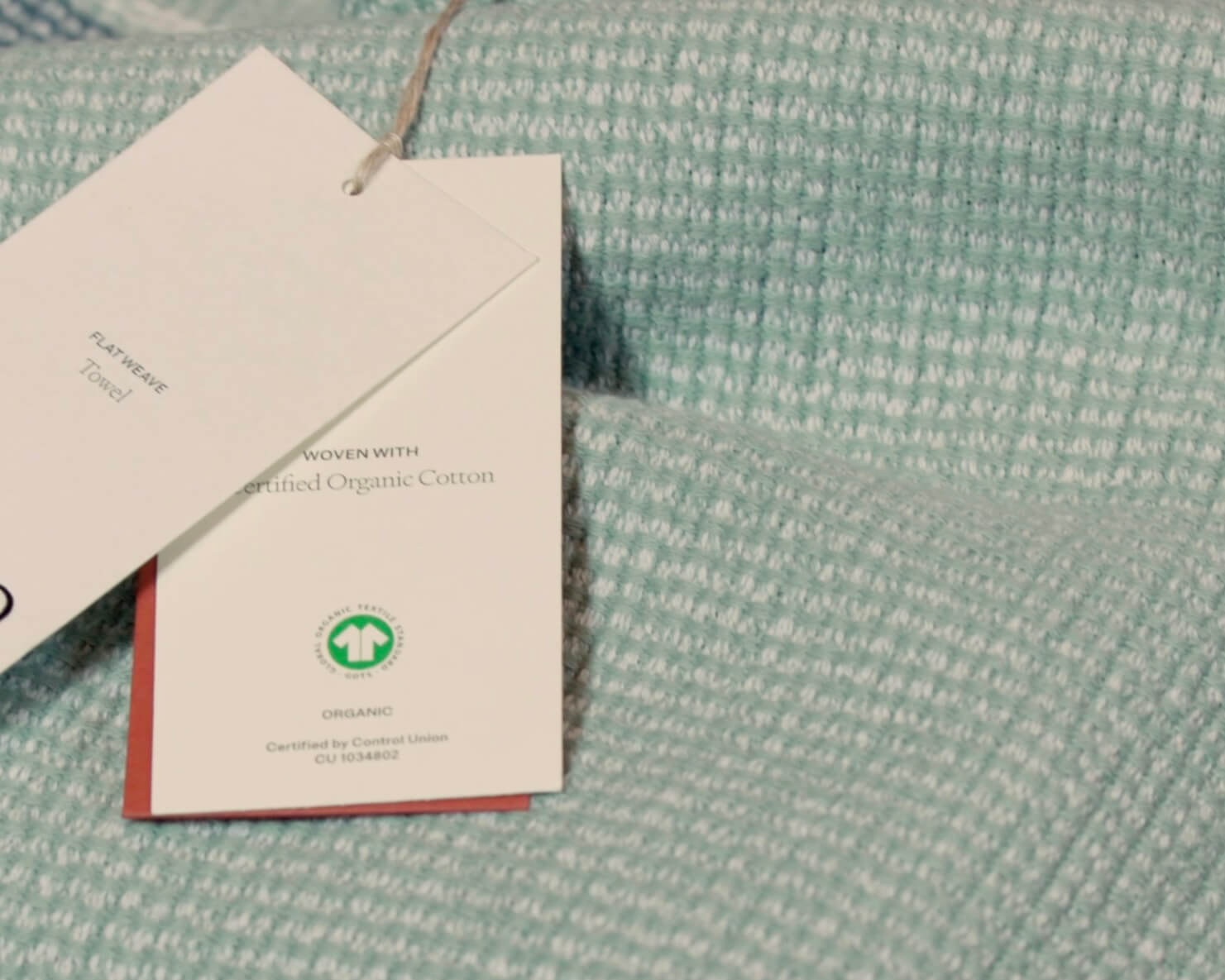
There is a lot of information for consumers to consider when choosing textiles, from what a product is made from to how it has been processed and manufactured.
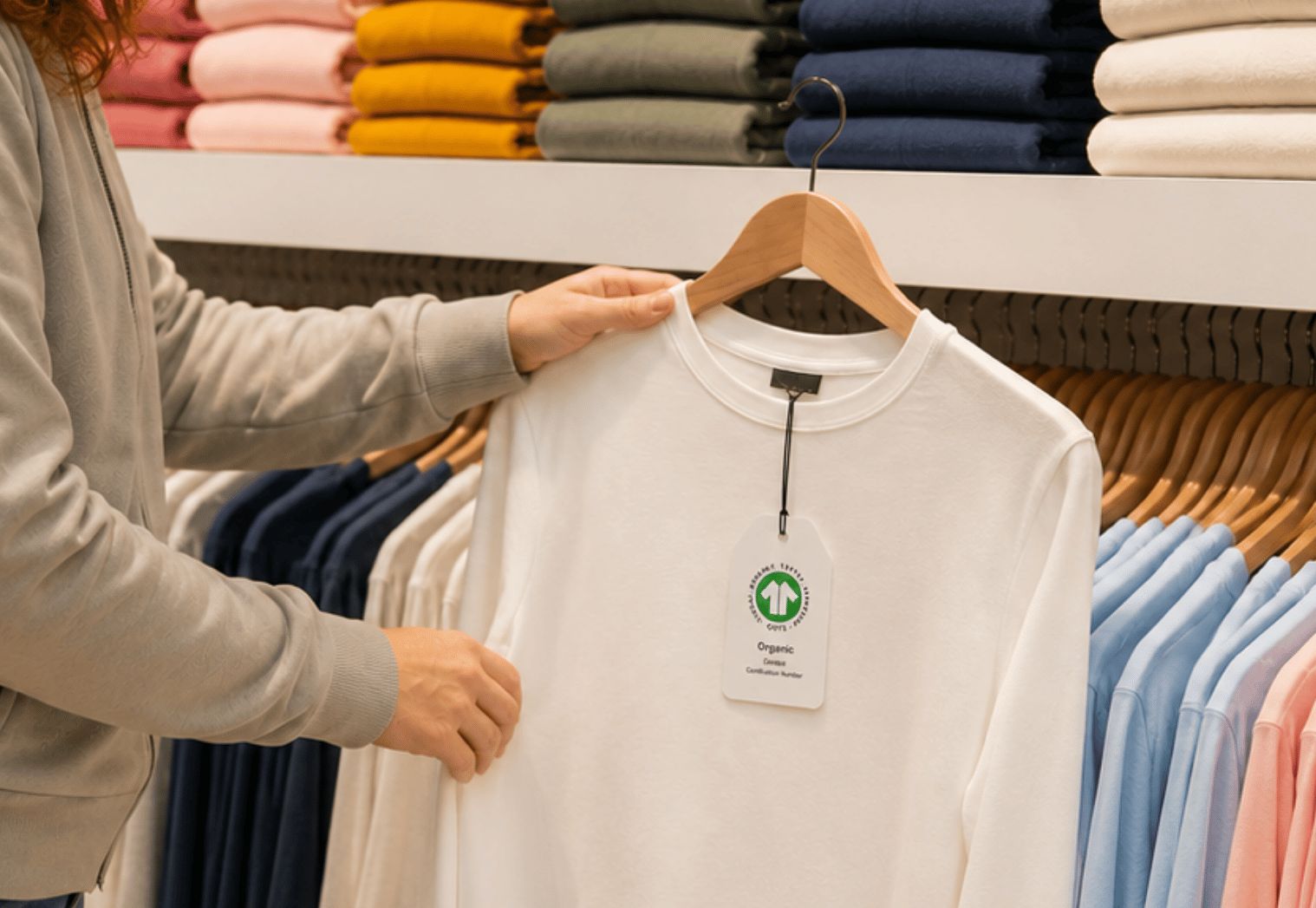
Certification can provide consumers with independently assessed information about specified characteristics and processes. For a GOTS-certified product, the applicable certified operations have been assessed against GOTS requirements within the scope of their certification. These requirements include specified environmental, chemical and social criteria.
Rather than relying on broad claims about how a textile was made, consumers can look at the GOTS label for information about its certification.
What can you expect this month?
We’re going big this year, with giveaways throughout the month on Instagram and grand prize drawings on behindtheseams.eco – featuring GOTS-certified products and participating brands from around the world.
Learn while you enter to win, with daily questions and facts exploring textile production, organic fibres, GOTS requirements and what goes into the certification process.
GOTS is also joined by other organisations highlighting initiatives taking place around the world, including:
- Sustainable Fashion Week, 20–29 September.
- The Organic Cotton Accelerator’s Farm Programme, which works with farmers during the transition from conventional to organic cotton farming.
We’re excited that you’re taking this journey #BehindTheSeams with us. We hope you’ll learn something new about the textiles you use, the people and processes involved in making them, and what the GOTS label tells you about a certified product.
Katie Lee is Global Standard’s public relations specialist, and Daphne S. Laut is the Global Standard marketing associate. Watch this space for more blogs!