Rethinking Leadership in Fashion
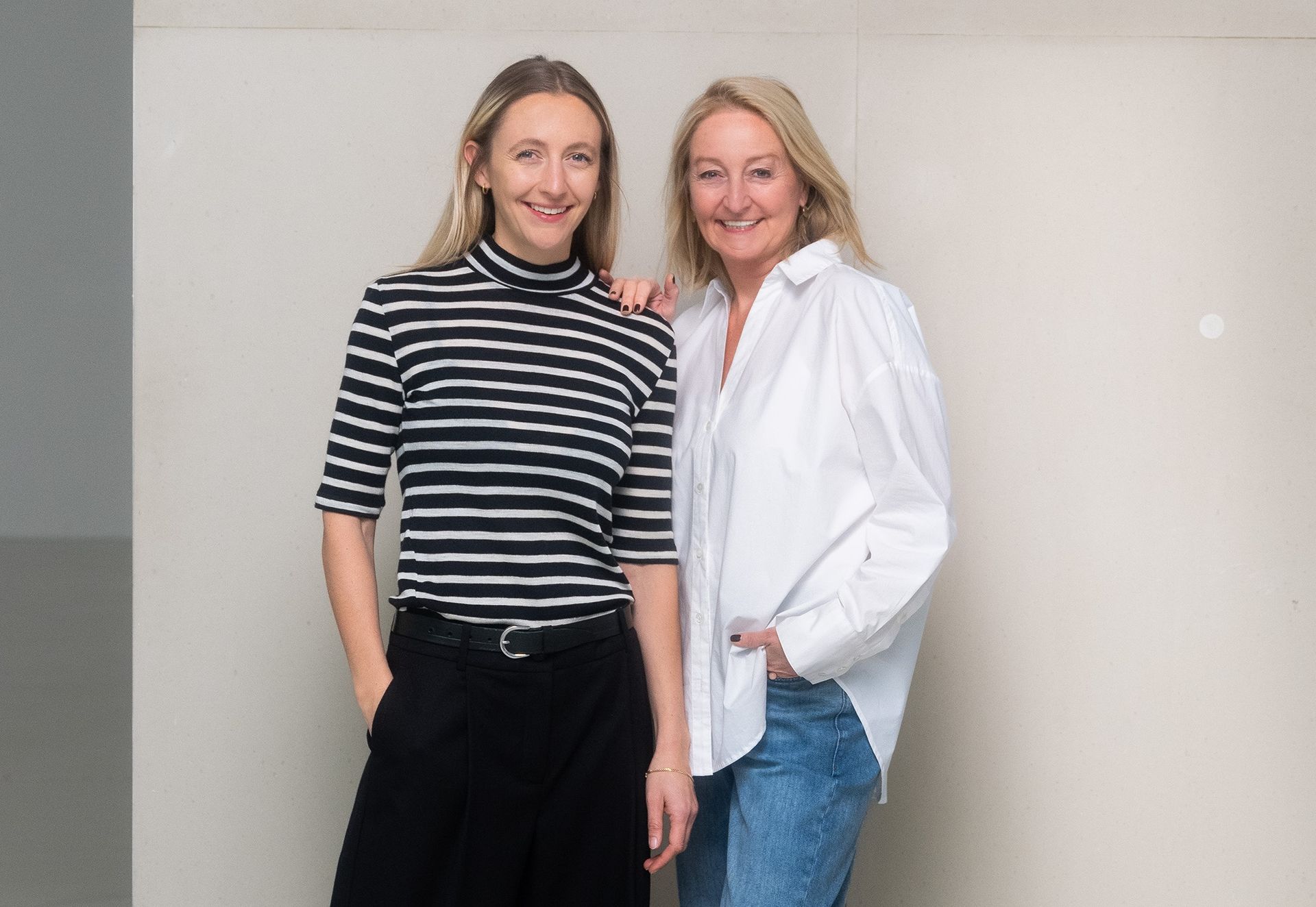
Traditional ideas of entrepreneurship often associate success with assertiveness and dominance. Miranda Chen, co-founder of LangerChen and Jiecco, offers a different perspective: patience, empathy and resilience can be equally important in building and leading a business.
For Miranda, this approach also shapes how she thinks about environmental and social considerations in textile production. Rather than treating them simply as marketing themes, she believes they need to be incorporated into everyday business decisions.
A Different Approach to Leadership
Miranda recalls attending a business seminar in China where she was the only woman in a room of men. The experience highlighted for her the continuing underrepresentation of women in some senior business environments.
Rather than adopting a more traditionally masculine leadership style, Miranda has focused on qualities such as patience, emotional intelligence and adaptability. She believes listening, collaboration and a long-term perspective can be powerful leadership tools.
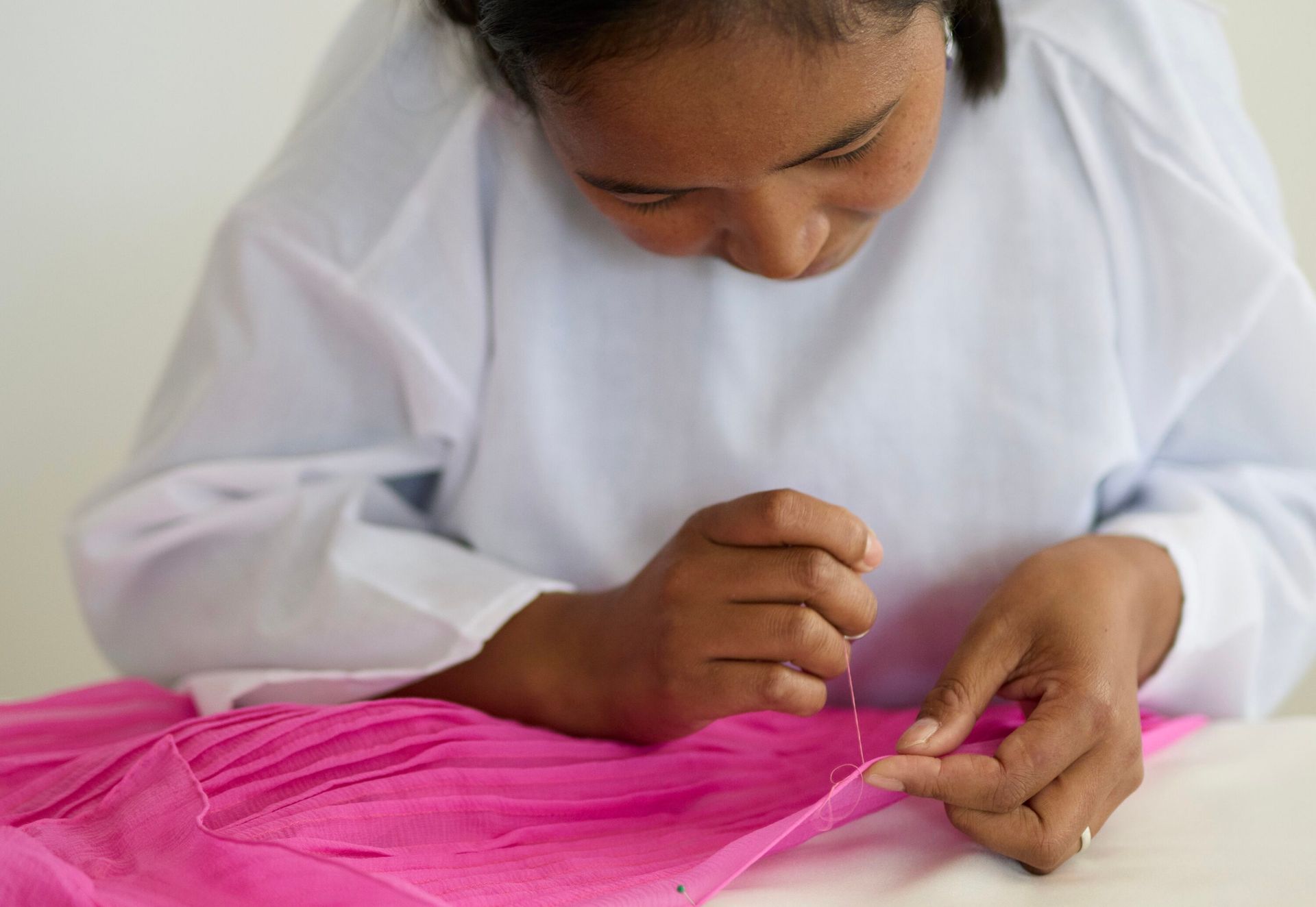
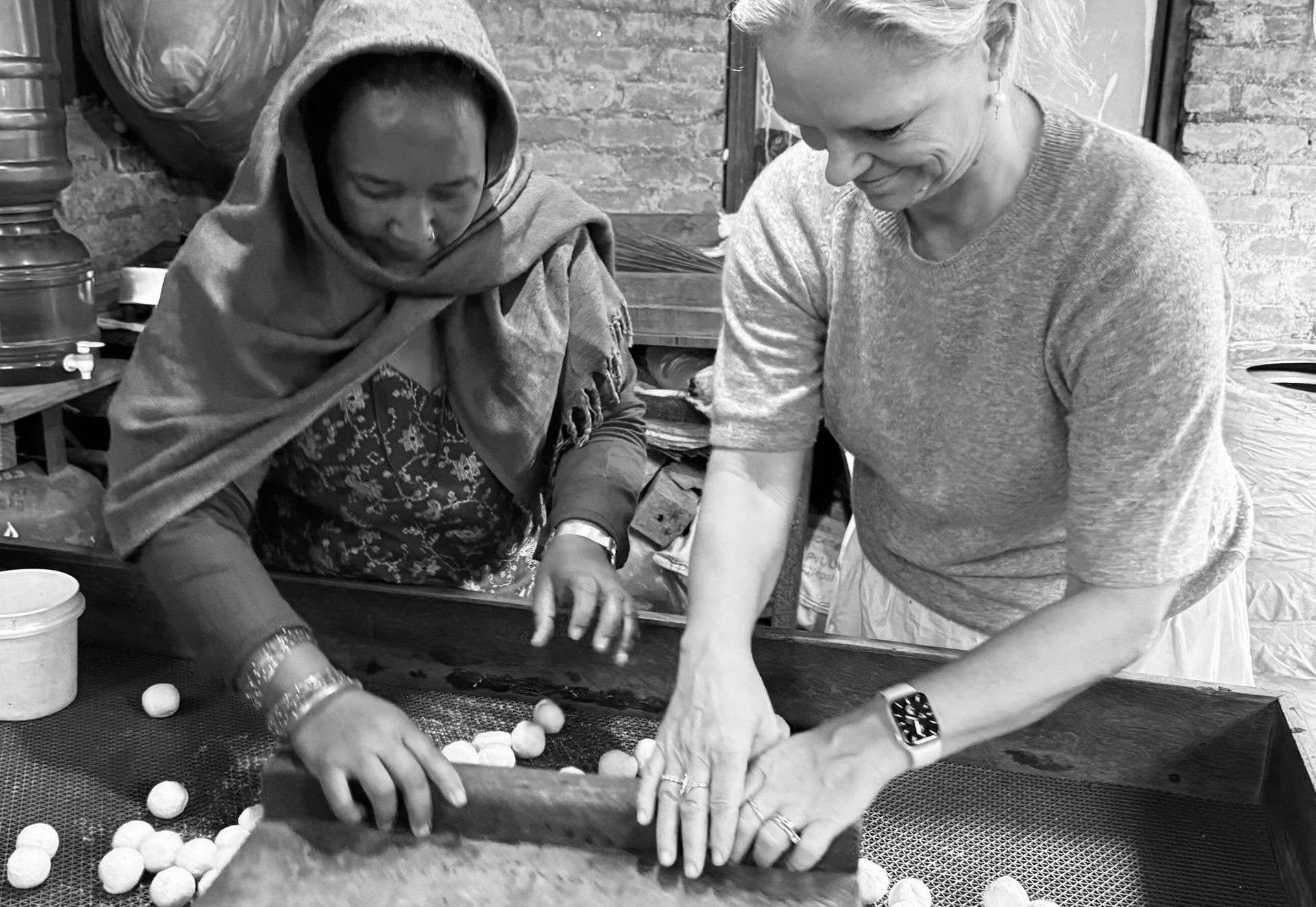
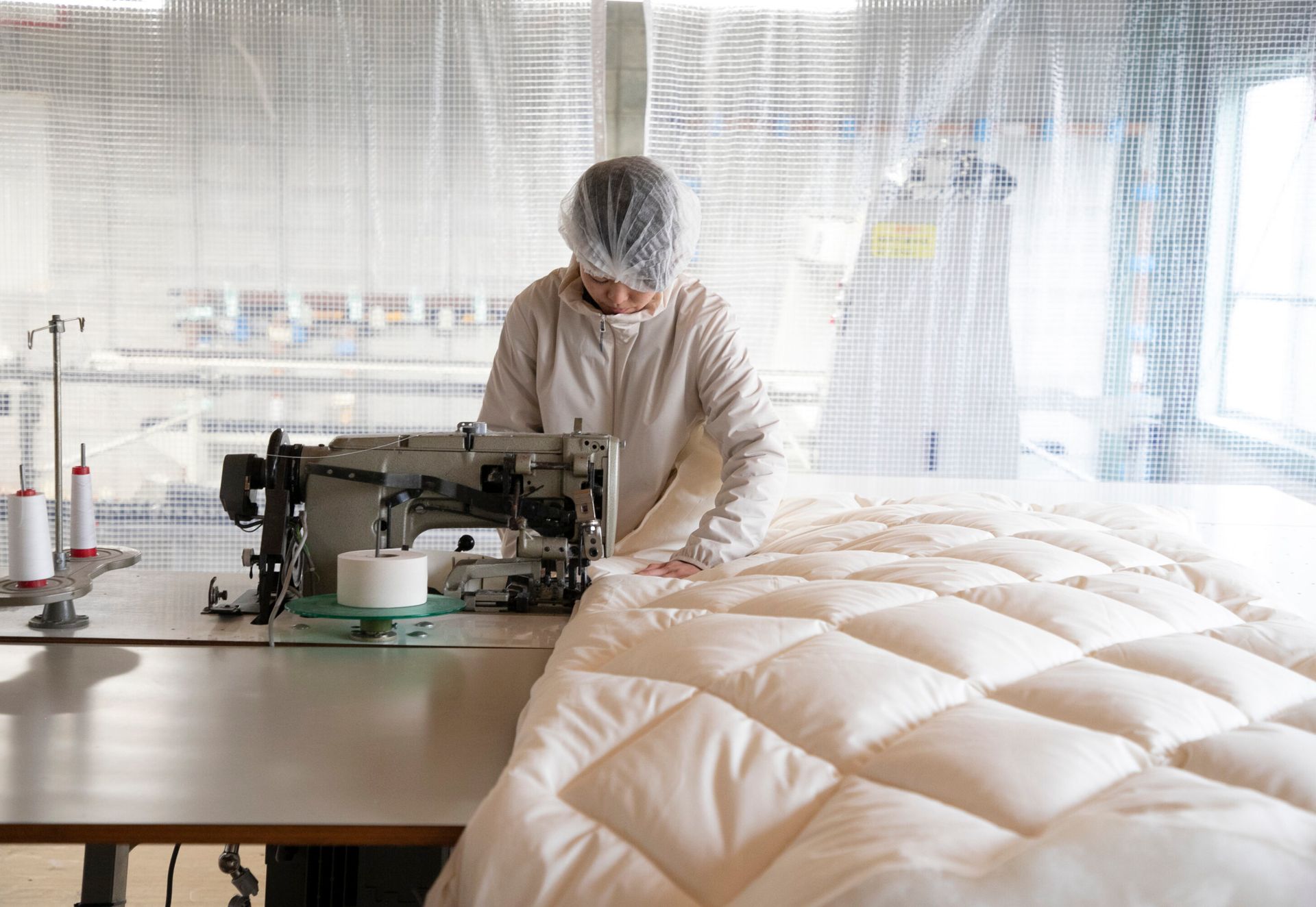
Her approach extends to the people involved in the business. From sewing staff to fabric suppliers, Miranda emphasises recognising each person’s contribution. She also points to practical measures, such as providing soft floor coverings for employees who spend long periods standing, as examples of how consideration for employees can become part of day-to-day management.
Her advice to young women entering textiles is similarly practical: think about environmental and social considerations from the beginning, build strong relationships with suppliers and manufacturers, and be patient. Meaningful change takes time.

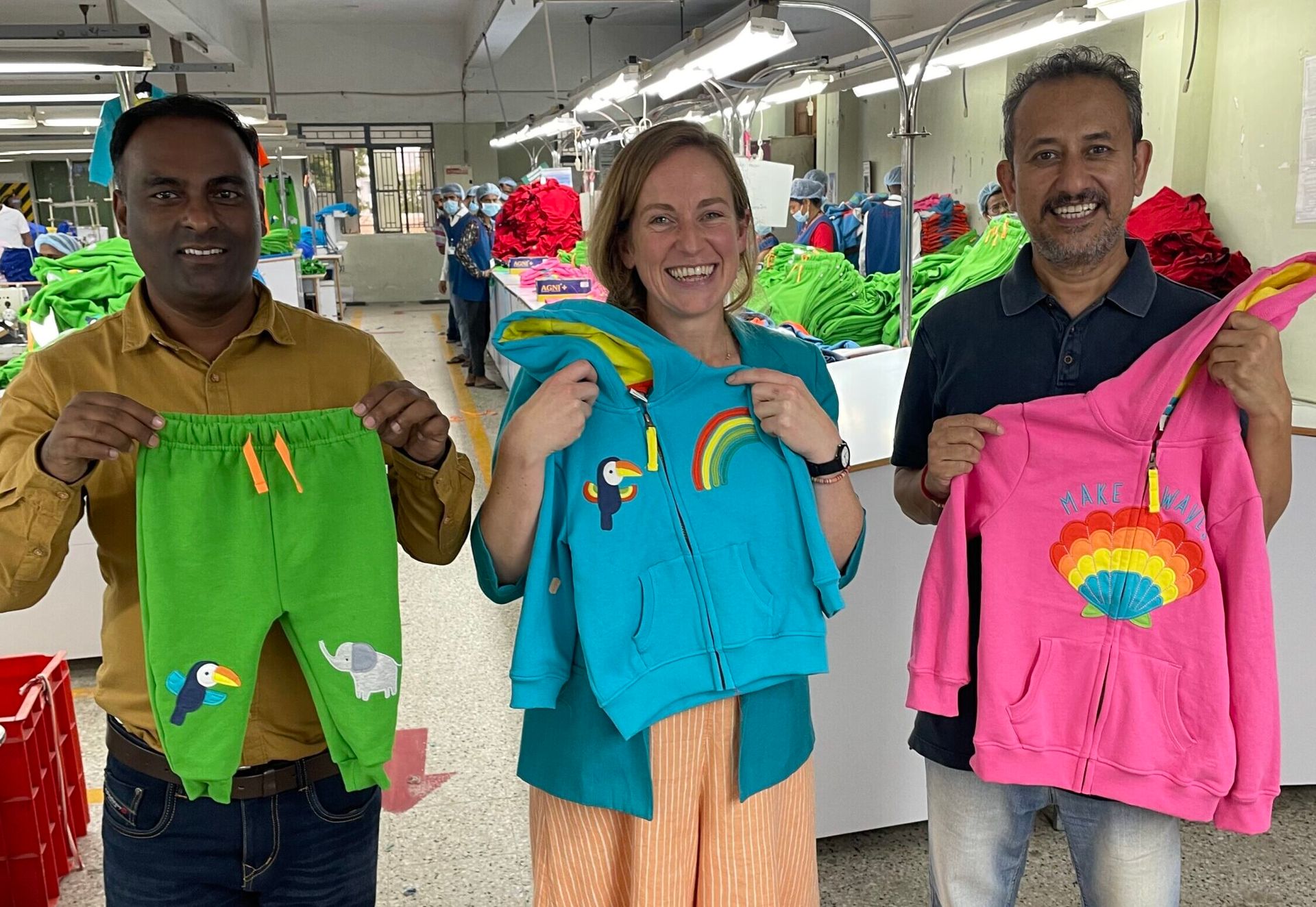
At LangerChen and Jiecco, Miranda and her co-founder, Phillip Langer, have sought to incorporate environmental and social considerations into their approach to textile production.
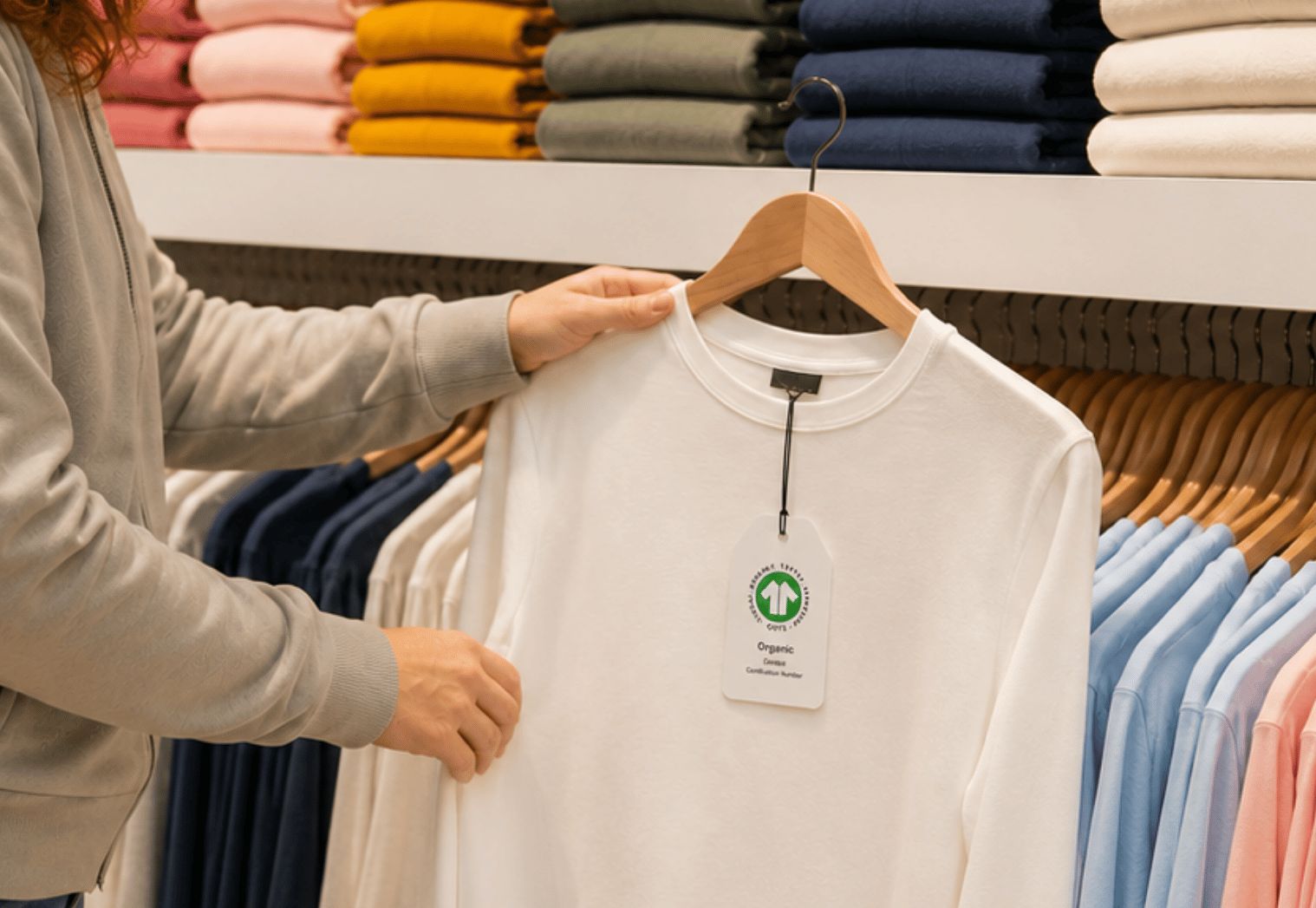
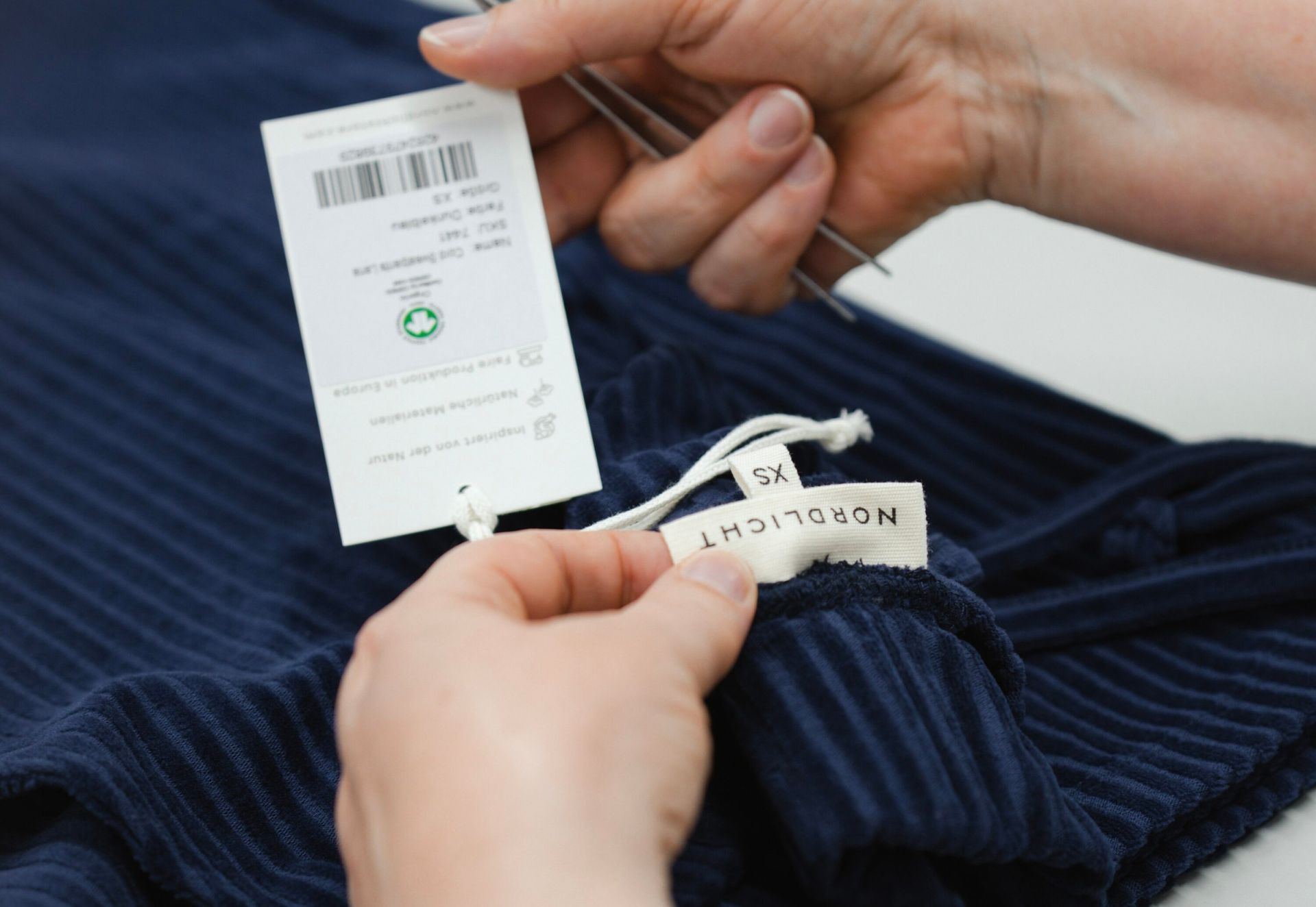
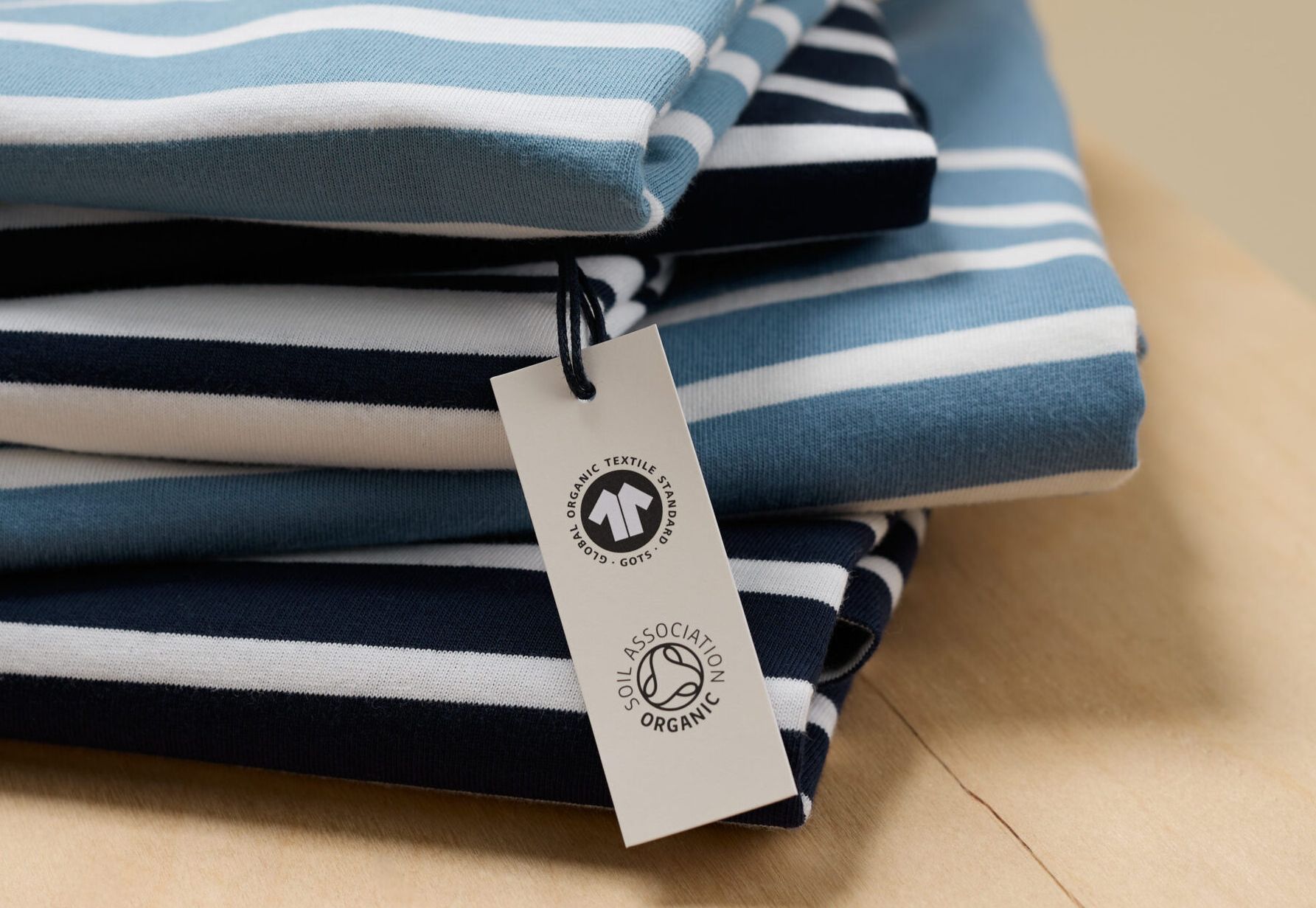
GOTS provides a defined framework for textile processing and manufacturing. It covers stages after raw fibre production and includes requirements relating to certified organic fibre inputs, chemical inputs and processing, environmental management, and human-rights and social criteria. Compliance with applicable GOTS requirements is independently assessed and certified by accredited third-party Certification Bodies.
For Miranda, certification has provided structure and accountability:
“At first, I resisted certification. I thought, ‘I know I’m doing the right thing, why do I need proof?’ But over time, I realised that GOTS is not just about compliance—it’s about education, accountability and credibility. It helps businesses improve, step by step.” – Miranda Chen
For her, leadership and certification serve different but complementary purposes: leadership shapes the choices a business makes, while certification provides defined requirements and independent assessment.
“Sustainability isn’t about achieving perfection overnight. It’s about continuous progress. That’s what GOTS helps us do.” – Miranda Chen
Miranda’s experience shows that leadership does not have to be loud or dominant. Patience, empathy and collaboration can offer another way to lead—and another way to build a textile business around clearly defined values.