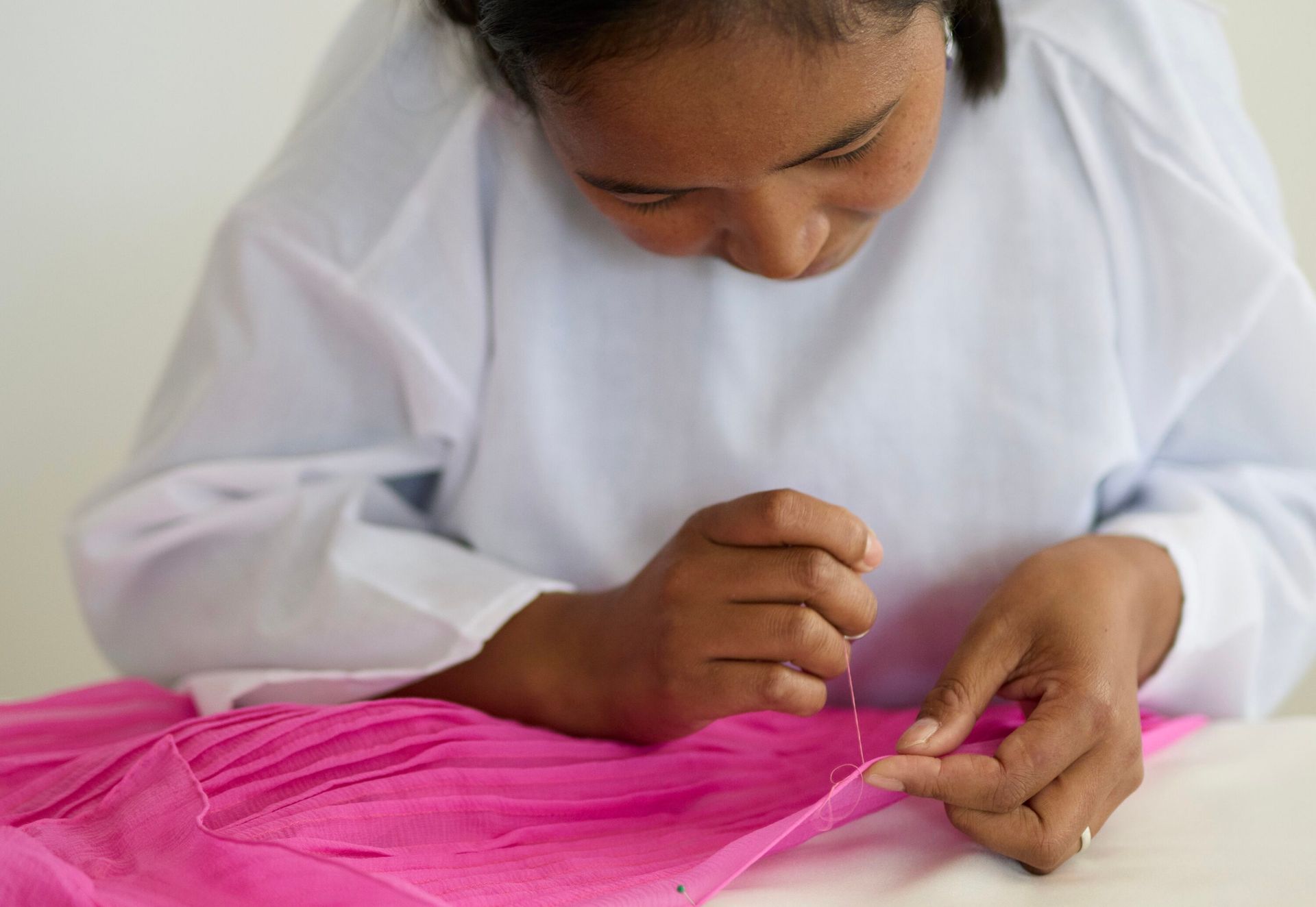
In the highlands of Madagascar, generations of textile knowledge continue through skilled hands and carefully practised techniques. Today, that tradition is part of the story of GOTS-certified textile manufacturer PILATEX.
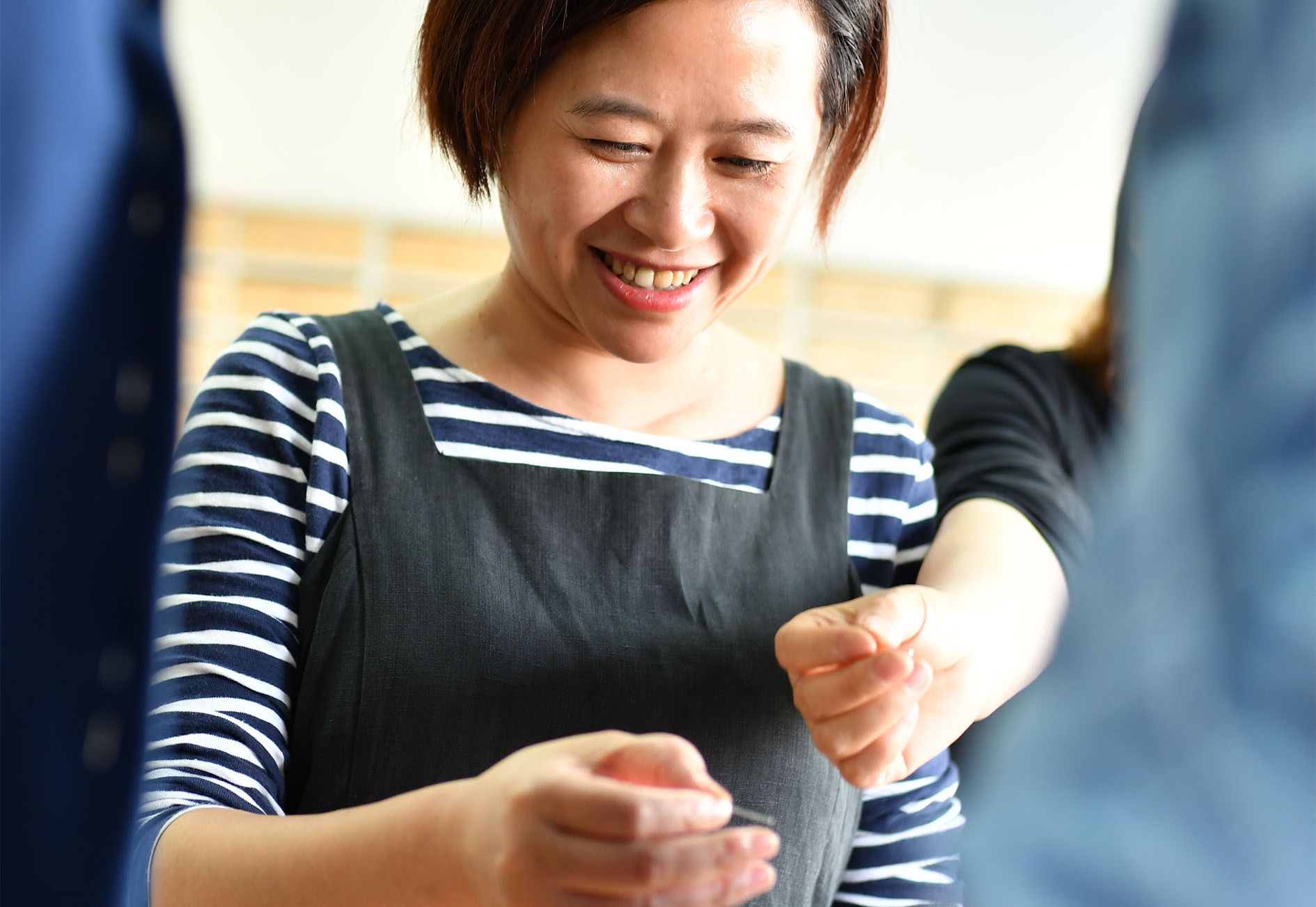
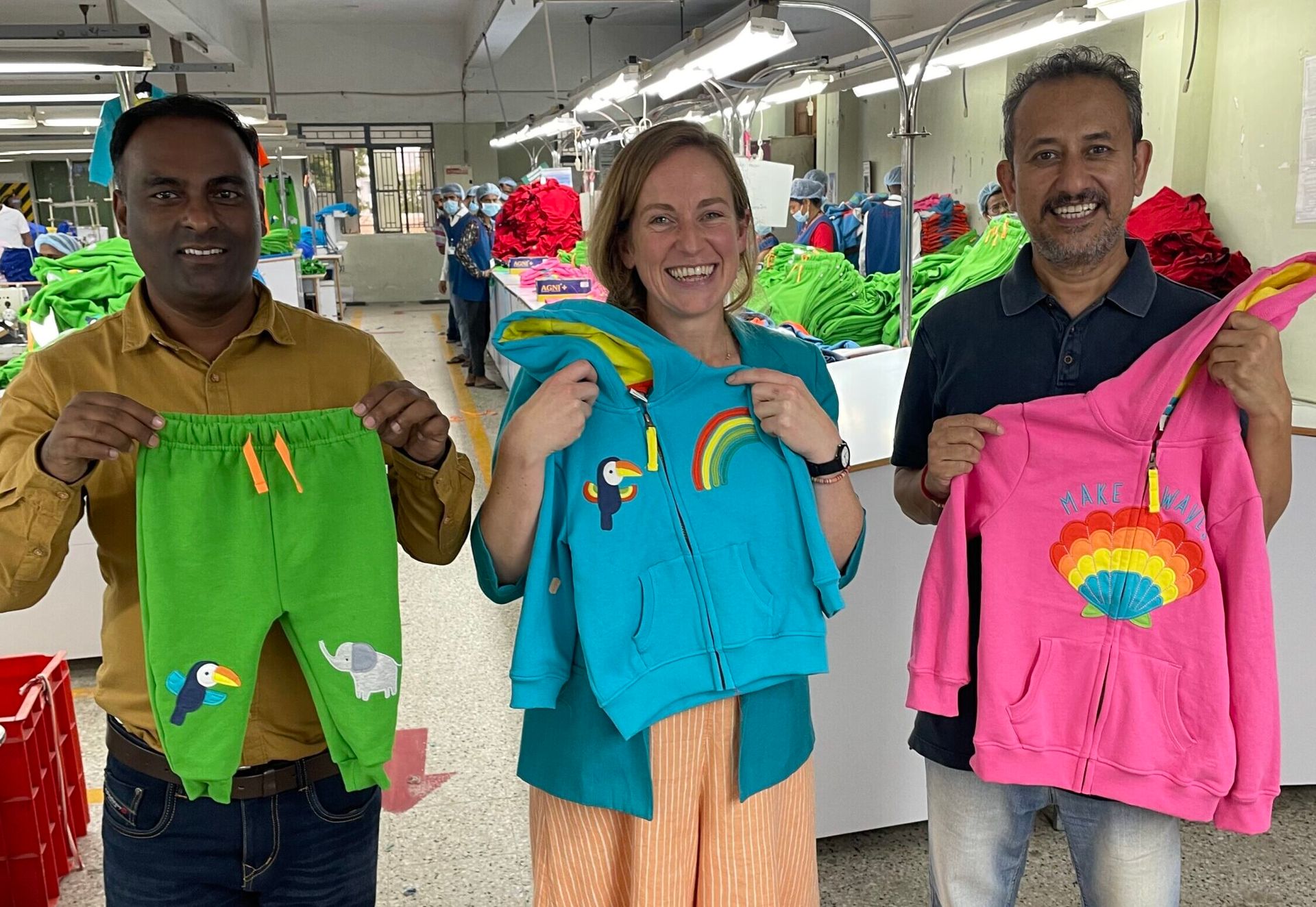
Behind products made for international fashion, home décor and tableware brands stands a company many consumers may not yet know. Within its workshops, more than 700 artisans — around 80% of them women — produce millions of textile accessories each year, combining Malagasy craftsmanship with modern textile production.
Founded in 1992 PILATEX has built its business around local production and artisanal skills.
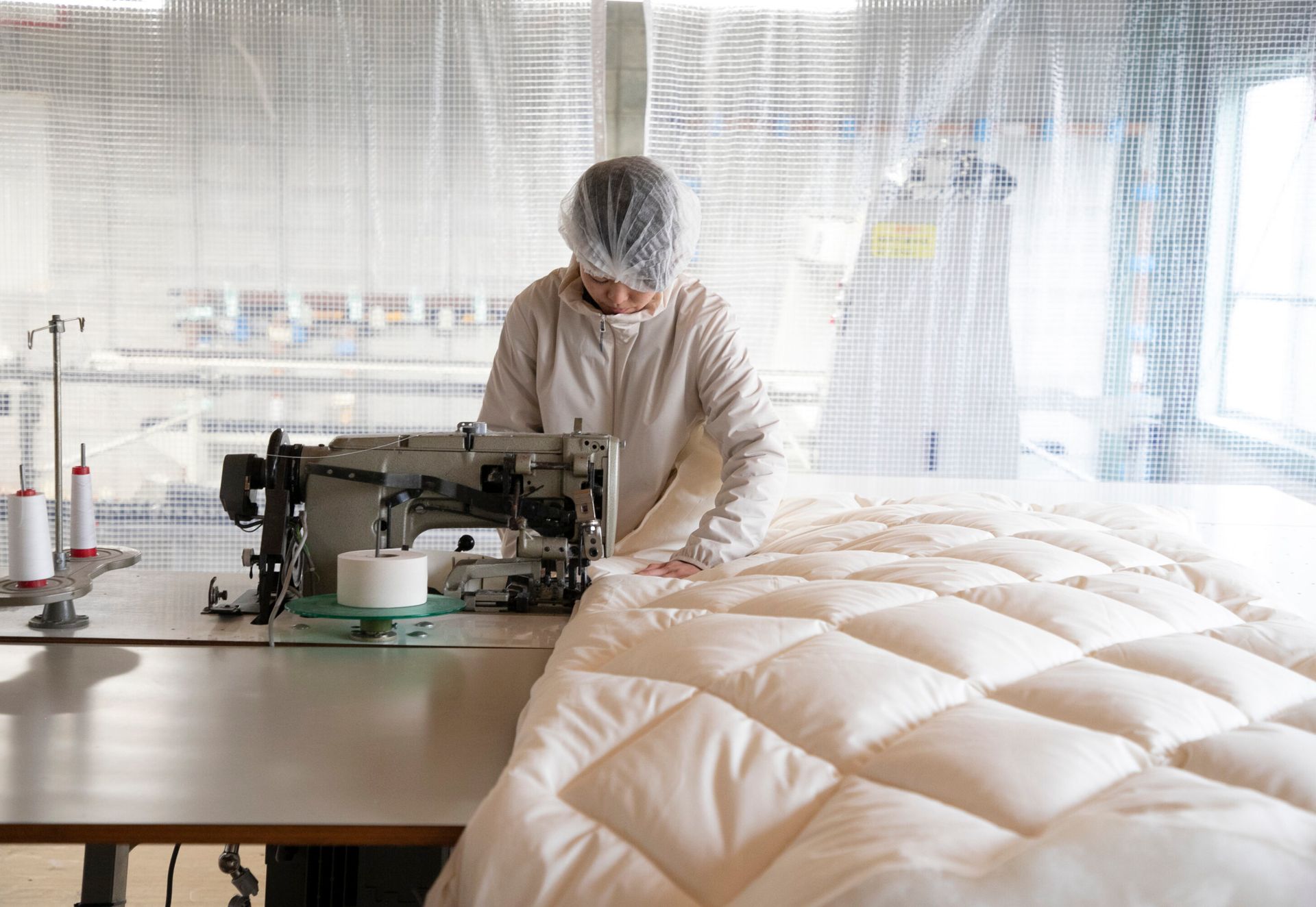
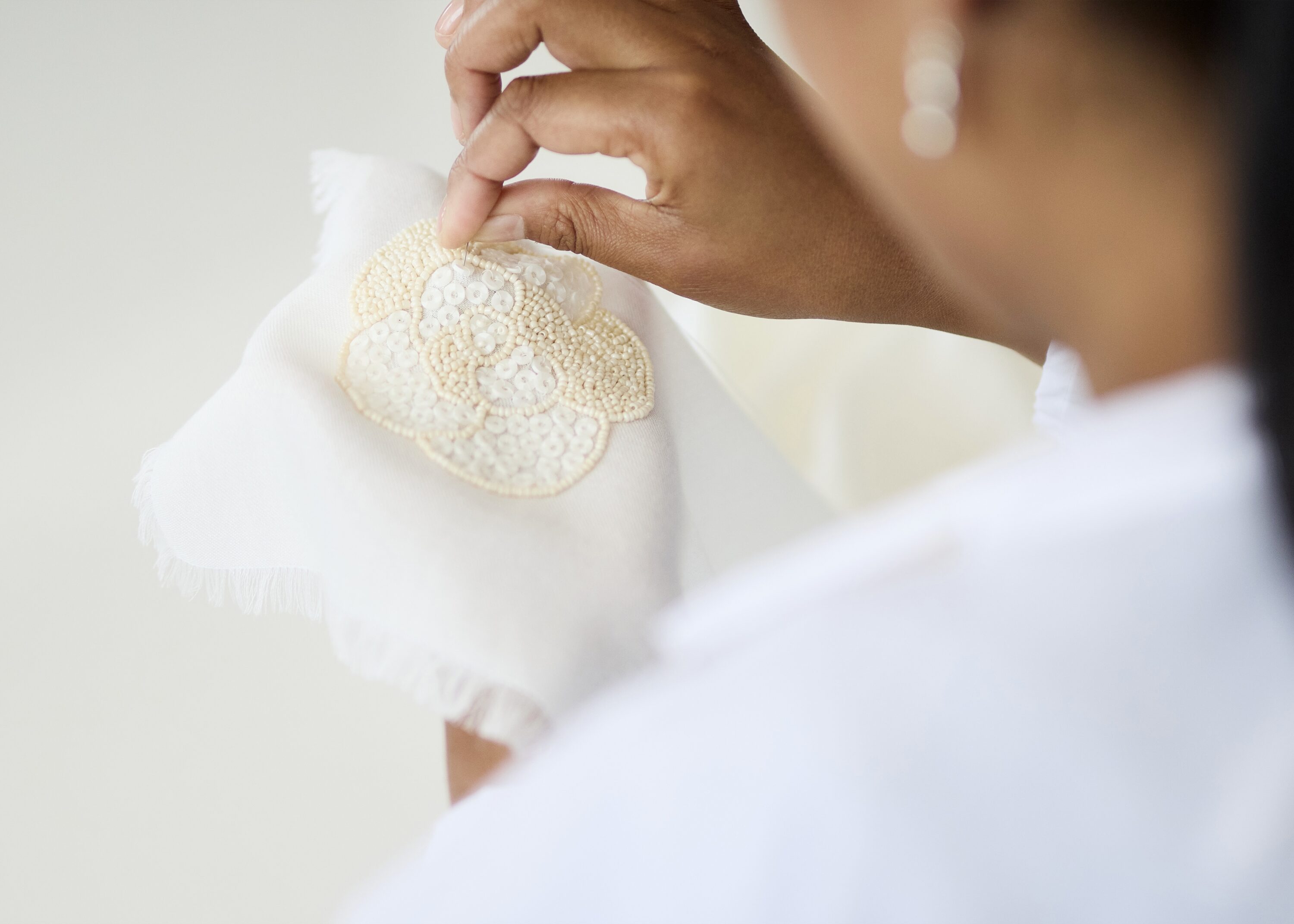
Madagascar’s textile tradition is rooted in meticulous manual work and dexterity. At PILATEX, those skills remain part of everyday production, including in the creation of scarves, pouches, shawls and other textile accessories.
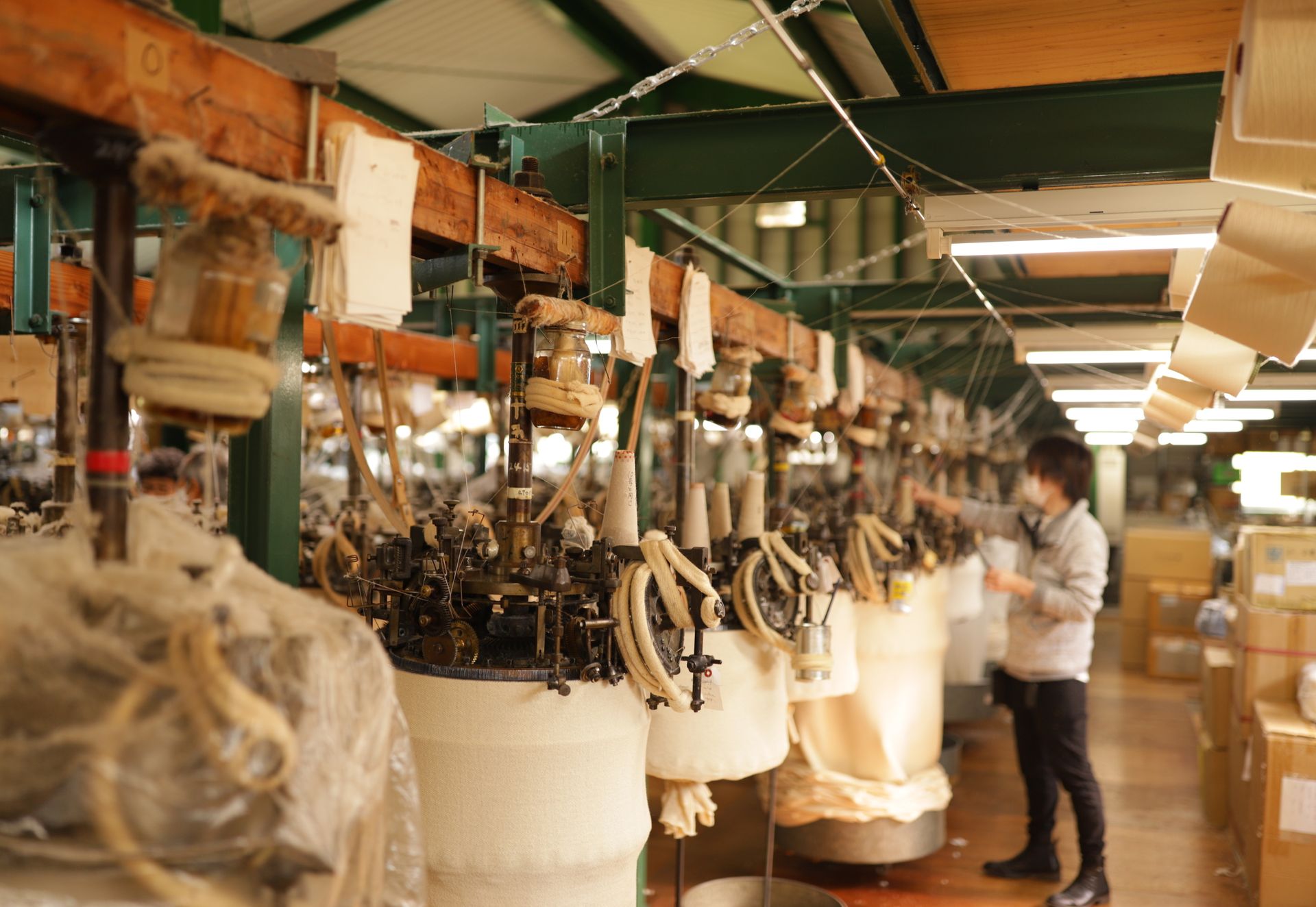
The company combines hand-executed techniques with specialised machinery to produce for international brands while maintaining a strong focus on craftsmanship.
PILATEX describes its philosophy this way:
“Choosing to produce locally is not merely an industrial decision: it reflects our conviction that textile production is built over time, by enhancing artisanal skills and creating economic and social value rooted in local communities.”
When Work Creates Opportunity
PILATEX places particular emphasis on employment and social programmes for its workforce and their families.
One of the company’s stated core values is:
“EMANCIPATION & EMPOWERMENT, our foundation. We strive to transform lives through dignified work and access to basic social services. Our craftswomen become the pride of their families, build economic independence, and open new horizons for future generations.”
PILATEX reports that its healthcare programmes support approximately 3,000 people, including coverage of 80% of hospitalisation costs. The company also reports supporting educational opportunities for around 650 children and young people each year through scholarships, academic support and post-secondary guidance.
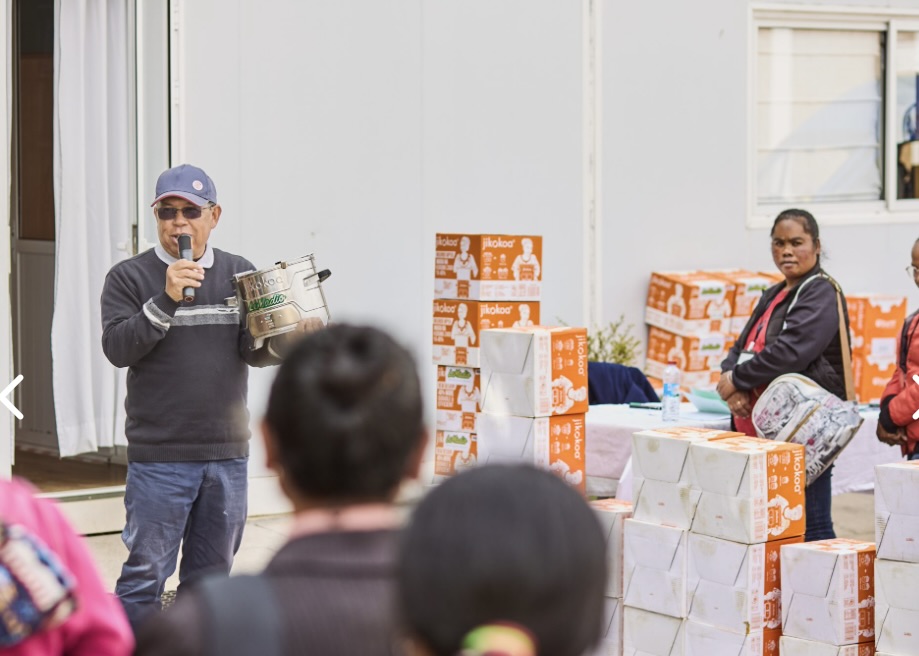
The company’s programmes also extend beyond the workplace. According to PILATEX, hundreds of families have received improved cooking stoves and other cooking solutions.

Within its operations, the company has introduced solar power, recycling initiatives, river-water recovery systems and carbon-footprint analysis. It also reports planting local species through community-based reforestation activities and providing employees and their families with information about environmental practices.
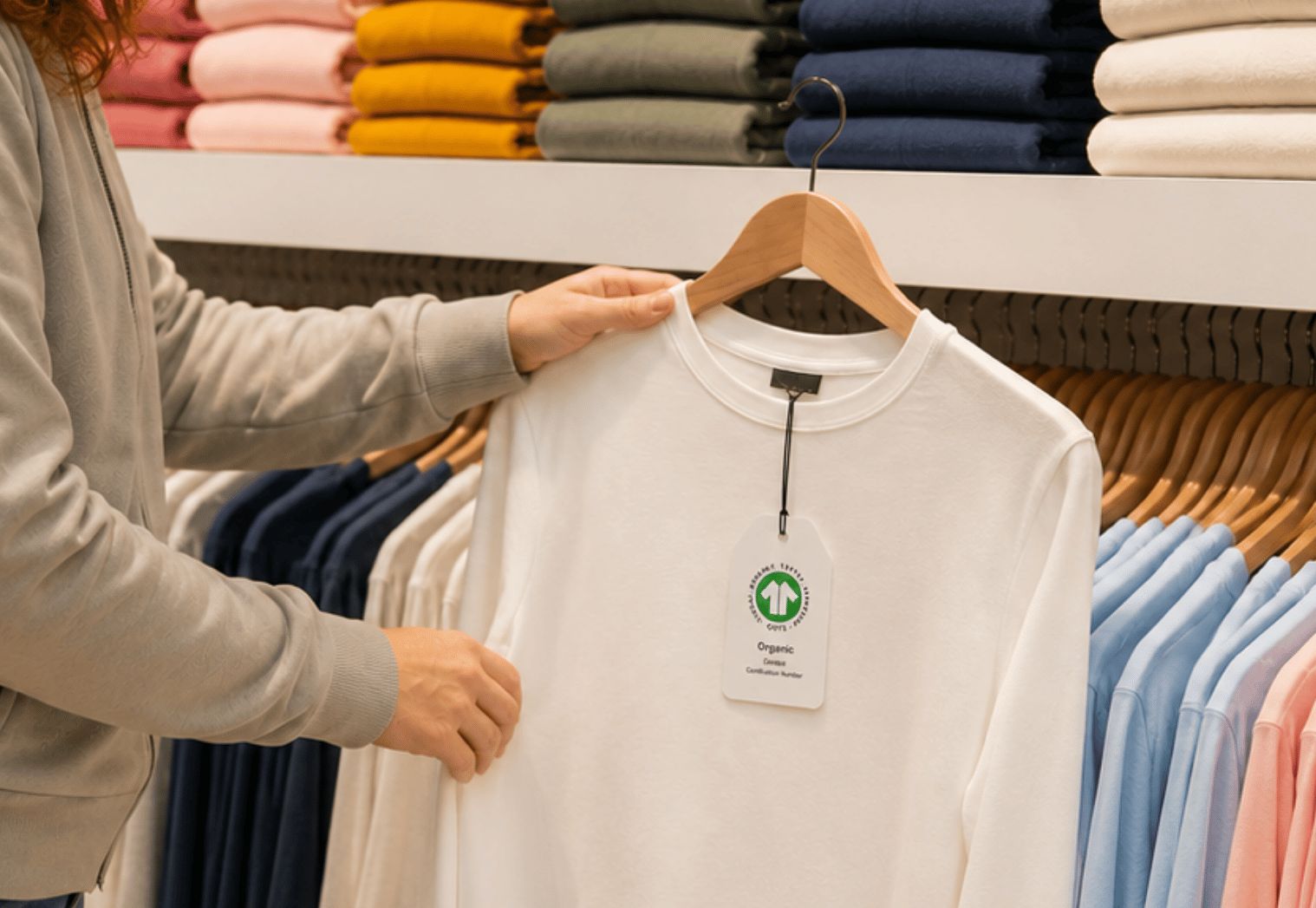
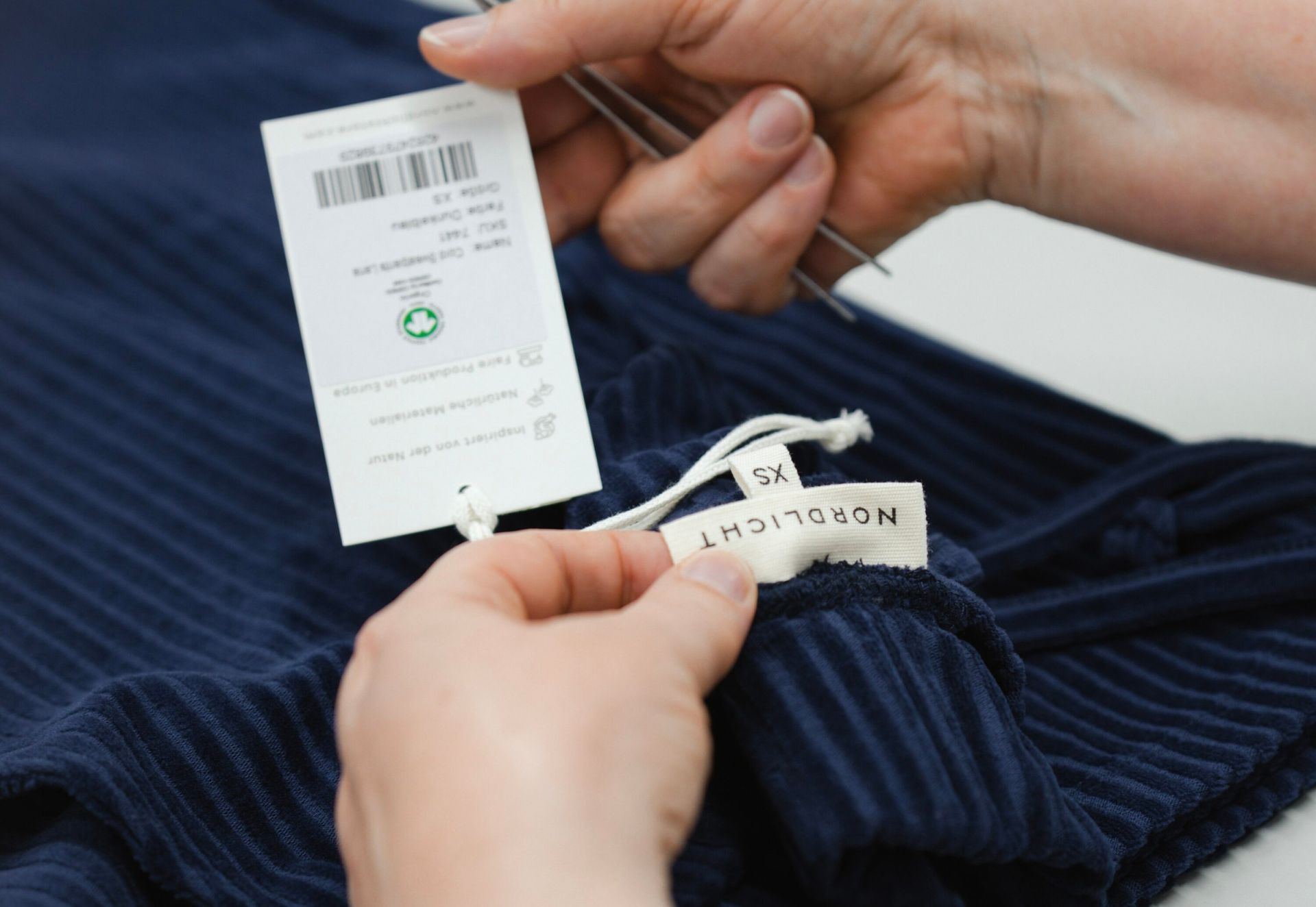
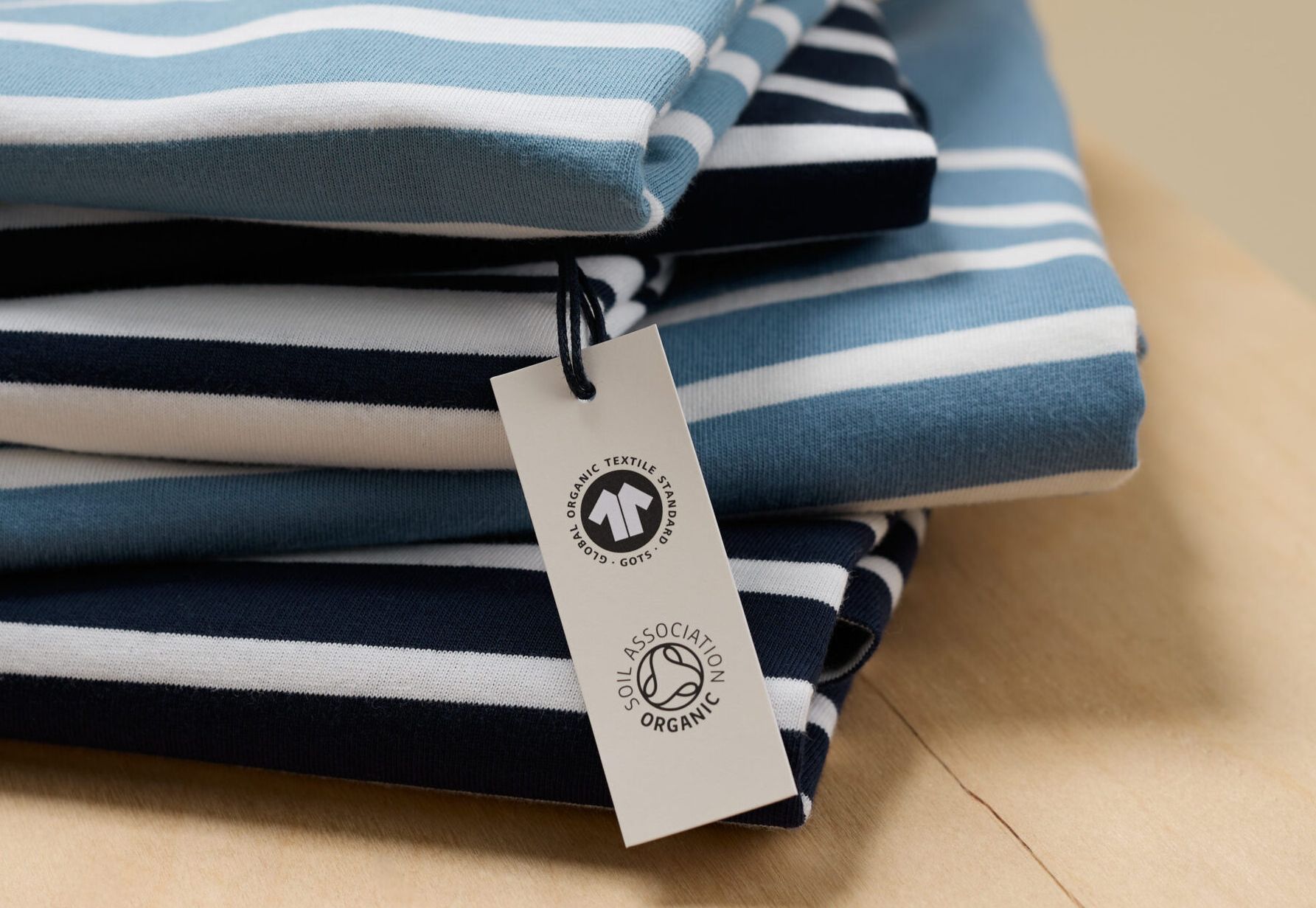
PILATEX subsequently pursued certification under the Global Organic Textile Standard (GOTS).
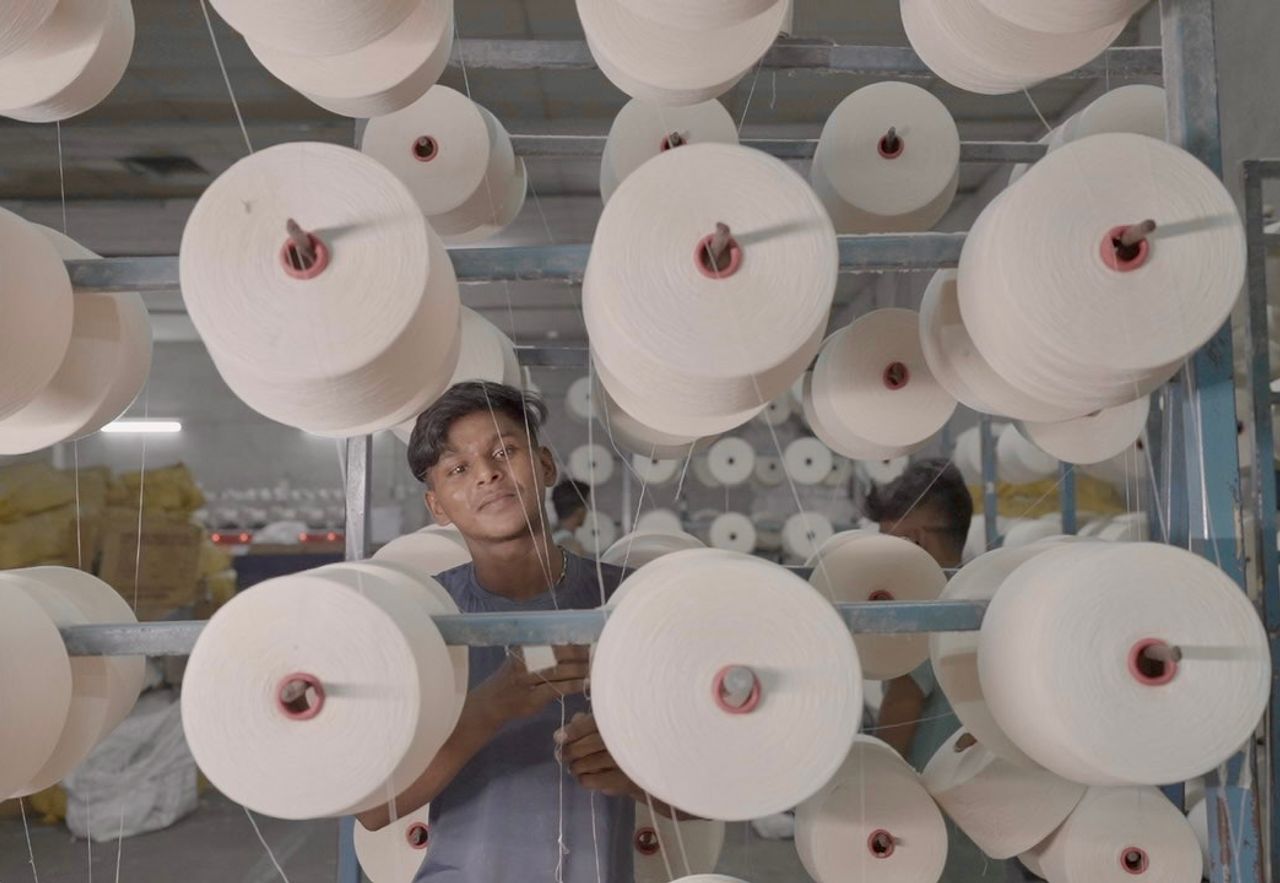
GOTS sets requirements for the processing and manufacturing of textiles made with certified organic fibres. Its scope covers stages after raw fibre production, including first processing, manufacturing and trading.
PILATEX says that implementing GOTS requirements strengthened a number of its existing systems and introduced additional mechanisms, including accessible reporting channels and suggestion boxes for artisans.
The company also reports commercial and organisational effects following certification, including stronger relationships with international clients, new business opportunities and changes to internal processes.
PILATEX describes another effect in its own words:
“Beyond technical and commercial aspects, GOTS has had an unexpected cultural effect within our company: a renewed sense of pride.”
For PILATEX, GOTS certification also provides a way to demonstrate to customers that activities within the scope of certification have been independently assessed against applicable requirements of the standard.
The company explains:
“Working in an organisation audited against a globally recognised standard provides concrete proof that the gestures of everyday work — handling of inputs, hygiene, working conditions — meet international expectations.”
At PILATEX, traditional Malagasy textile skills now operate alongside production systems serving international customers. Its story shows how artisanal knowledge, local employment initiatives and independently certified textile processing can come together within a modern manufacturing business.