“Organic, certfied Fashion? Sorry, but I’m more into colours and not just beige!”
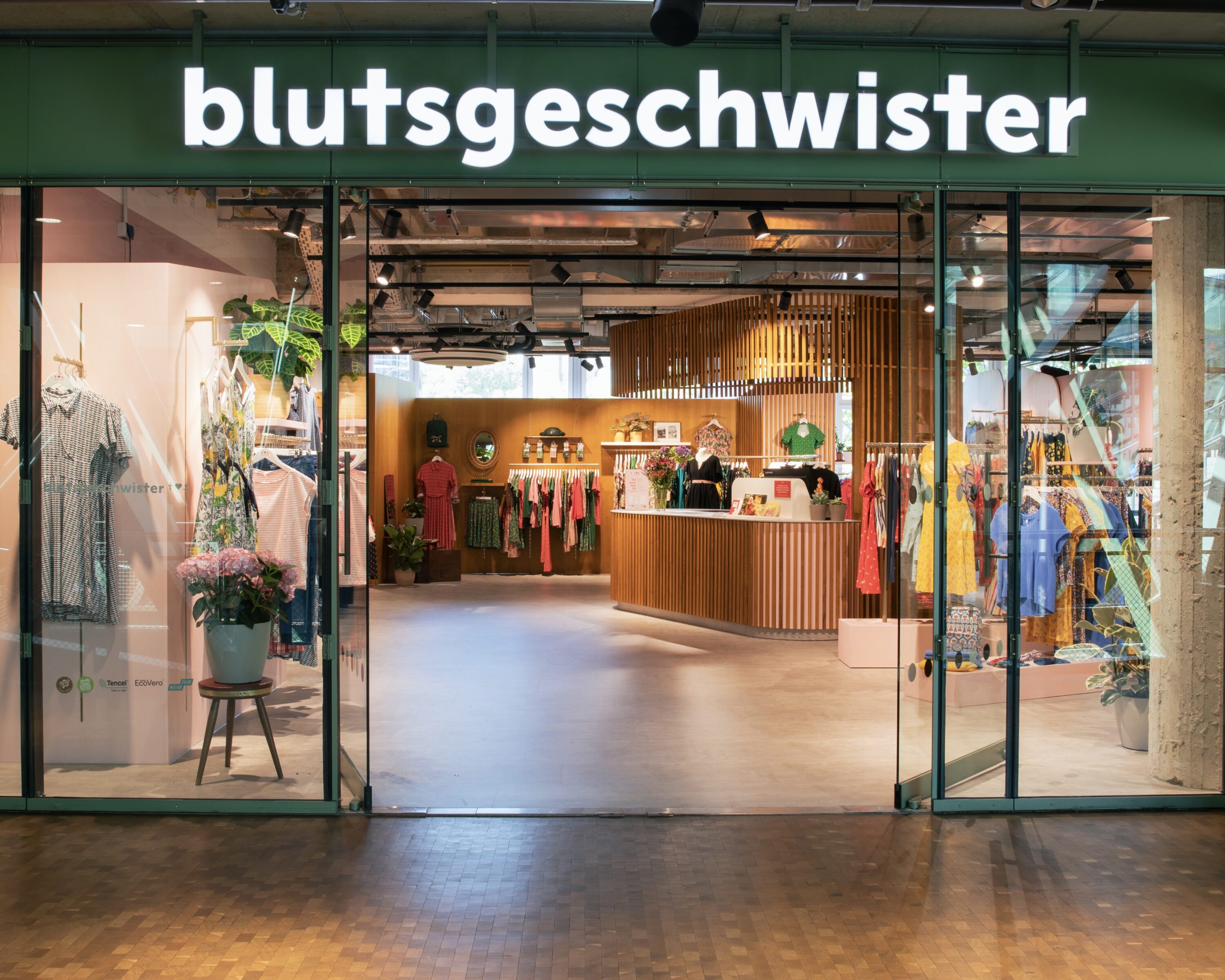
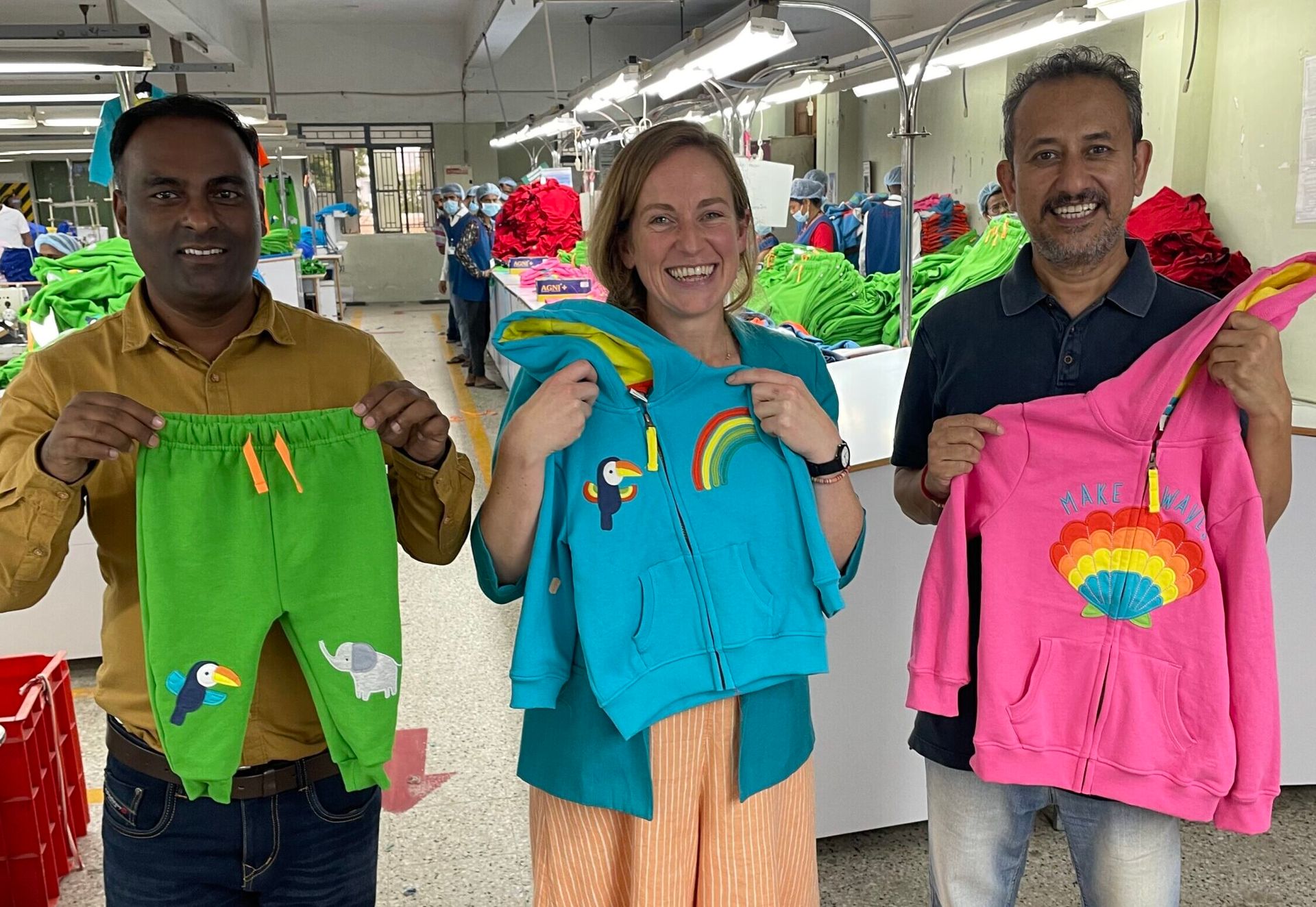
Textiles made to meet GOTS requirements do not have to be associated with muted greens, soft browns or minimalist design. Berlin-based fashion brand Blutsgeschwister shows how bold colours, distinctive patterns and expressive design can form part of the picture.
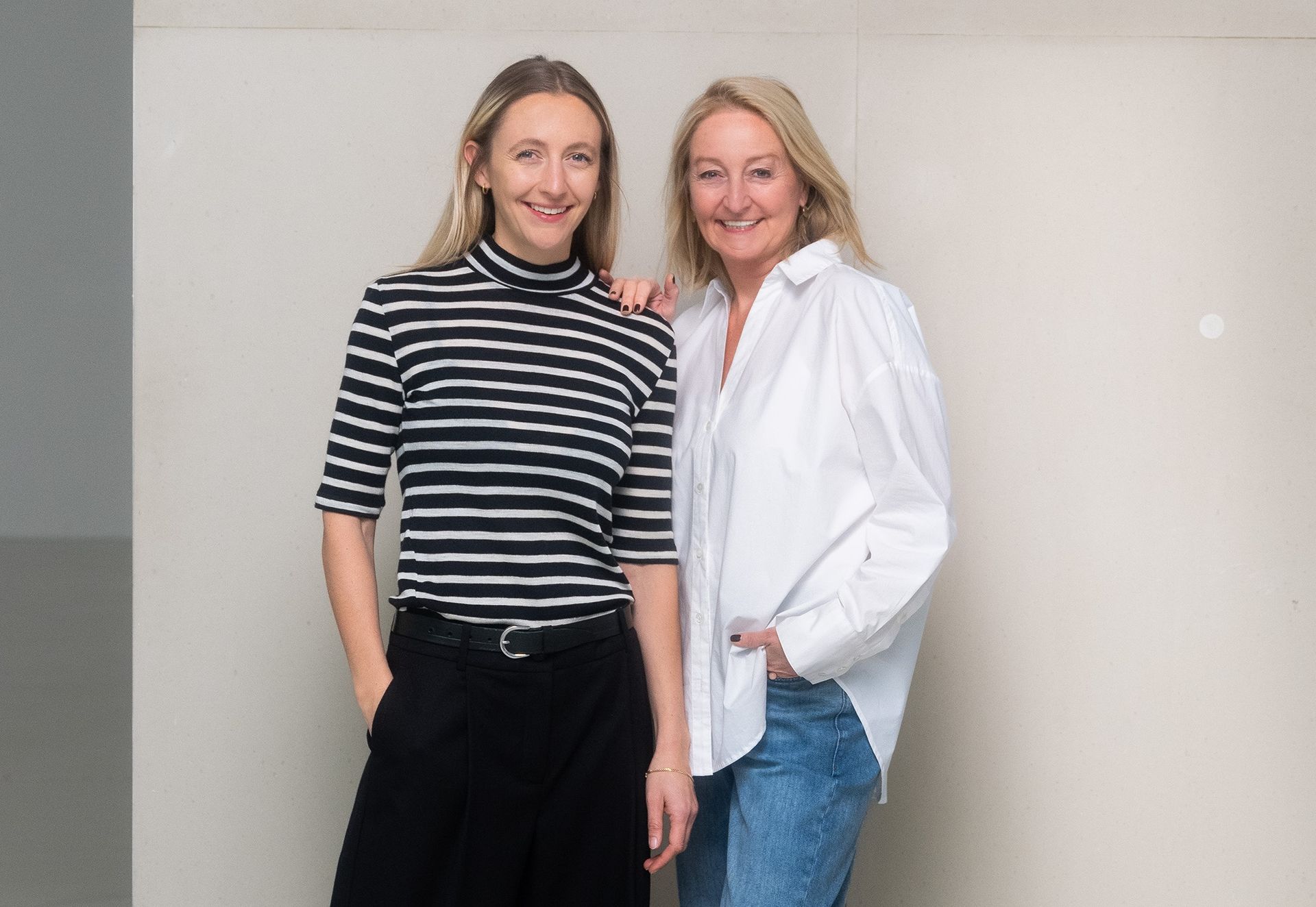
Founded in 2001 by designer Karin and a collective of creative free spirits, Blutsgeschwister has built its identity around unconventional, colourful, patterned and “everyday-wearable” clothing “that works independently of short-lived trends and is made to be worn with love.” Strong prints and bold colour palettes remain essential to the brand’s DNA. Bringing the designers’ creative ideas and distinctive aesthetic together with applicable GOTS requirements, however, requires structure and precision.

This year, Blutsgeschwister turns 25, and its anniversary capsule pays tribute to the brand’s wild early days: rebellious, lovestruck and perfectly imperfect. The team is bringing back some iconic styles of the early 2000s – the era of low-rise flared jeans, cheeky jersey cuts and playful prints that evoke childhood memories. The joy and anticipation are summed up by the Blutsgeschwister team:
“Back then we danced through endless nights and summer rain, full of life, friendship and the wild hope that the world would one day discover us – and later remember us: the Blutsgeschwister who brought color into the gray, seductive, playful and free.”

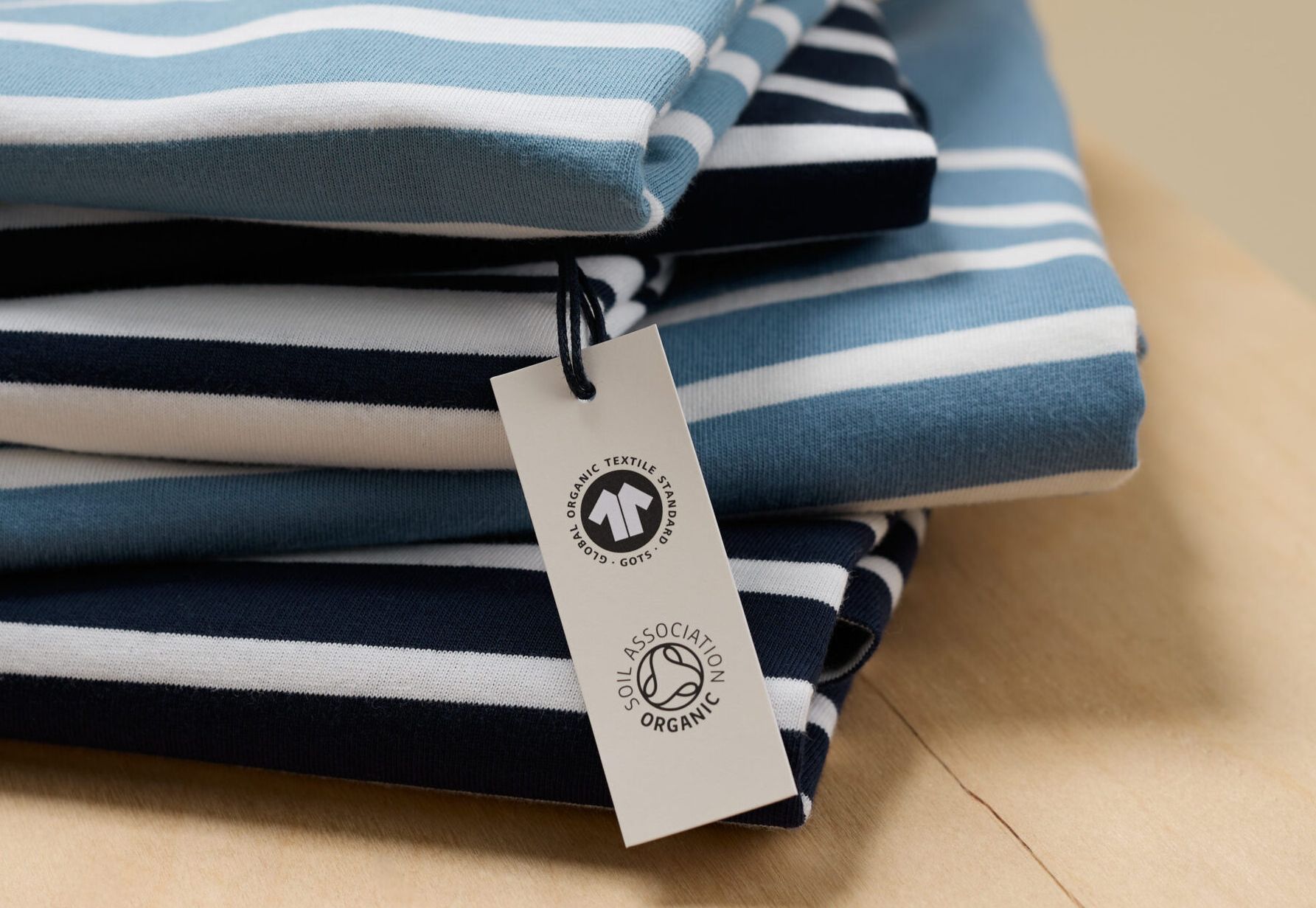
GOTS certification goes beyond requirements for certified organic fibre content. GOTS sets requirements for subsequent textile processing and manufacturing, including requirements relating to chemical inputs, wastewater treatment and residue limits, as well as defined social criteria. Compliance with applicable GOTS requirements is independently assessed and certified by accredited third-party Certification Bodies.
For brands working with intense colours and detailed prints, these requirements crea
te a practical challenge: how to maintain a distinctive design aesthetic while meeting the applicable GOTS requirements for textile processing.
For Blutsgeschwister, the decision to pursue GOTS certification in 2022 followed an earlier shift from conventional to organic cotton in 2019. The company says it wanted “not only to implement this step internally, but also to make it transparent and credible externally.”
GOTS provides a defined certification framework for textiles made with certified organic fibres and includes traceability requirements for certified goods through the textile supply chain.
According to Blutsgeschwister, certification did not restrict the brand’s creative approach but led to more precisely defined processes. In some cases, material compositions were adjusted to meet certification requirements “without compromising on our design and quality standards.” The company says this also made its approach to material management more structured and systematic.
The experience illustrates that certification requirements do not determine a brand’s aesthetic. Bold colours, detailed prints and distinctive design can be developed within the defined requirements of the GOTS programme.
Certified fashion is no longer just beige. With the right programme, expertise and commitment in place, it can be unapologetically colourful.