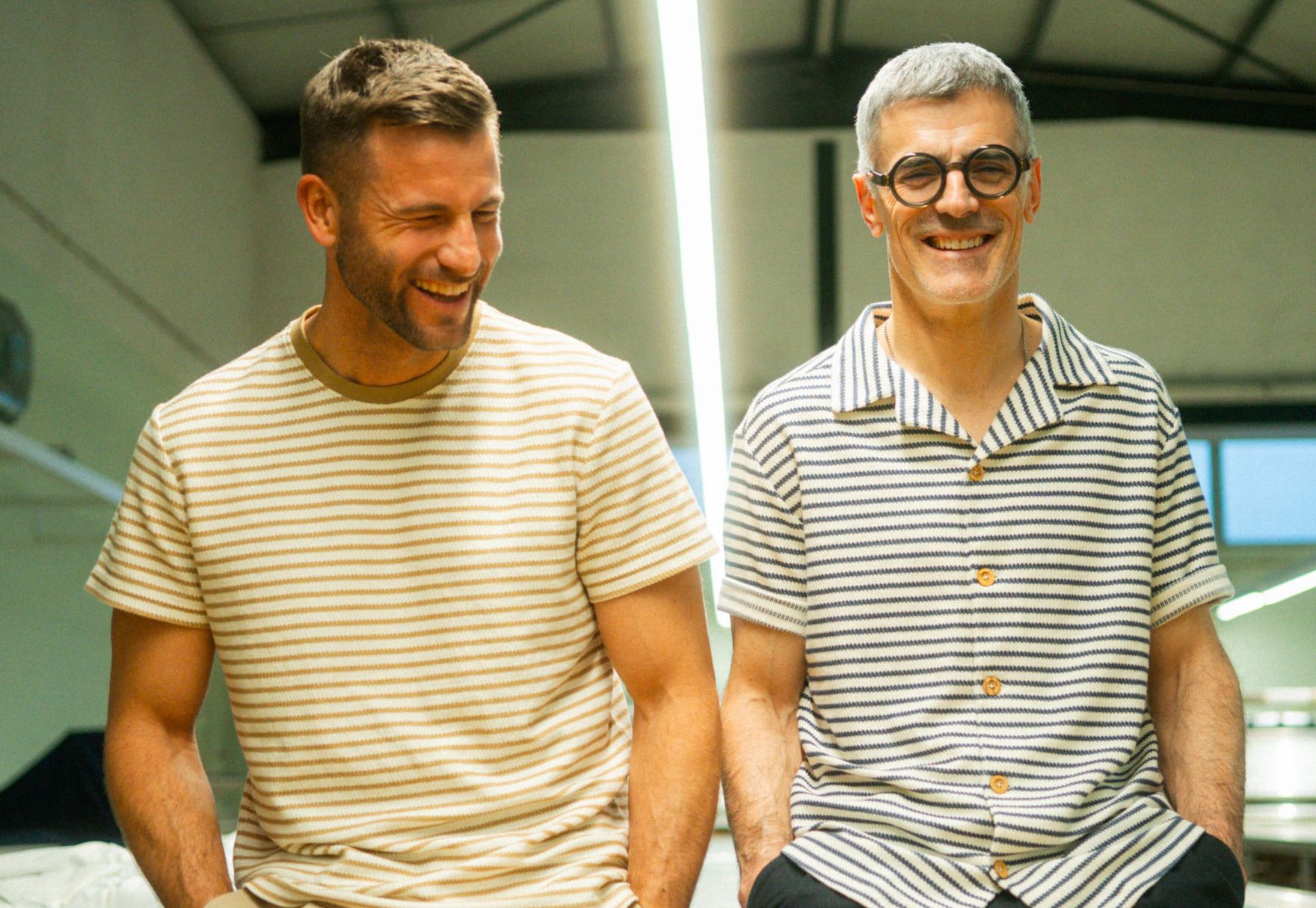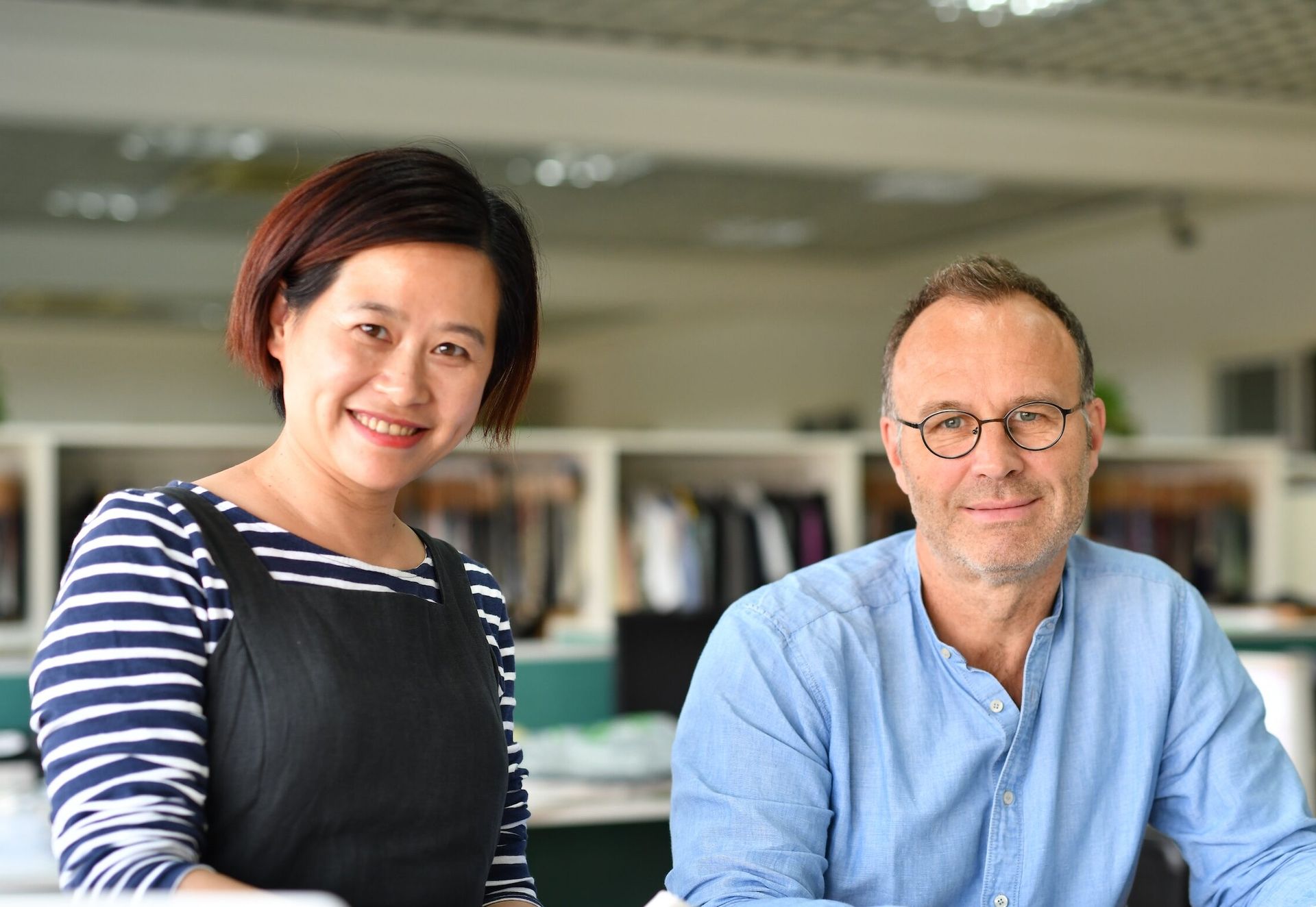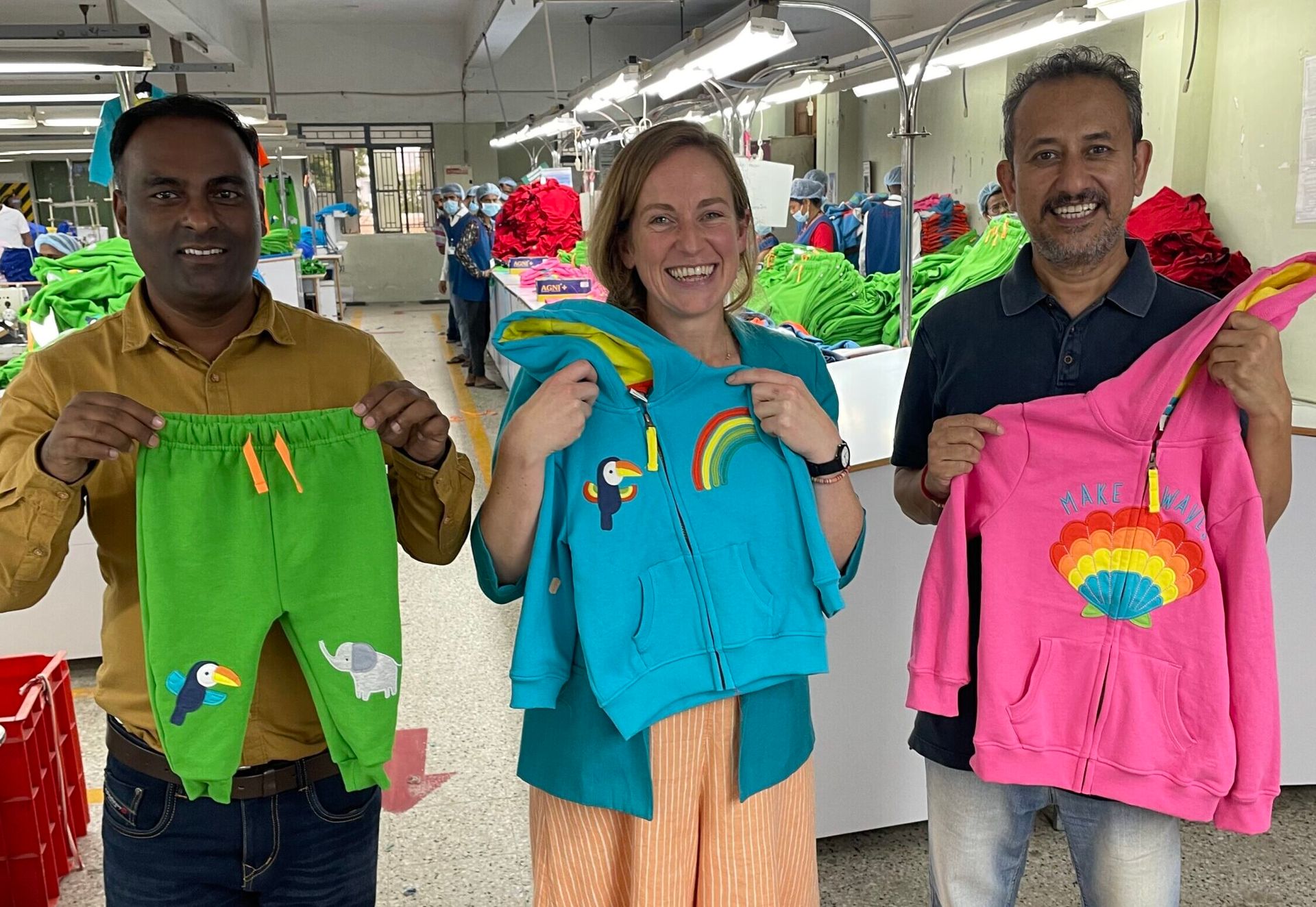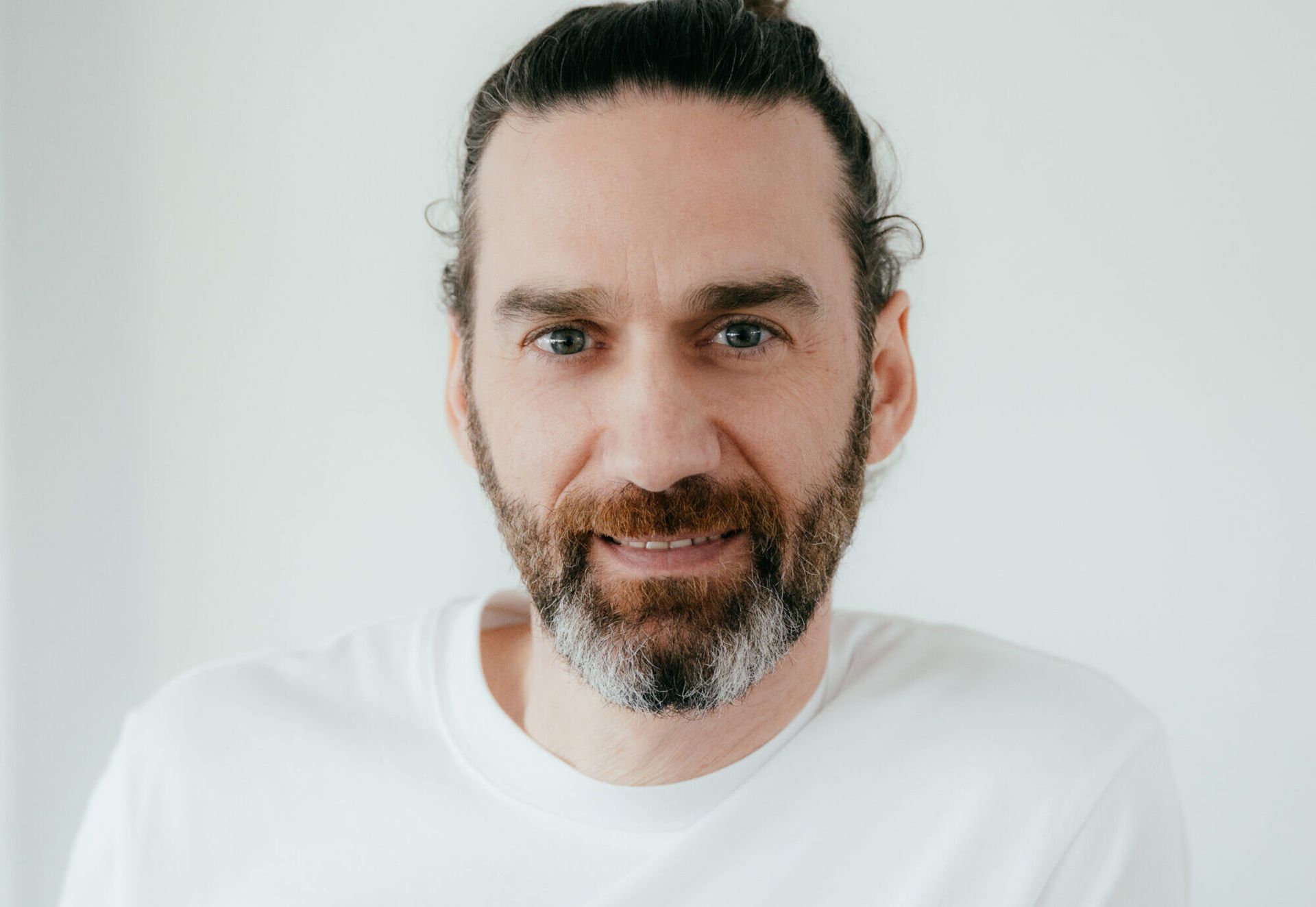
Have you heard of MELA Wear already? We actually already teamed up with the Germany-based GOTS-certified brand in 2024. Recently, we sat down with Bernhard Weiß, Co-Managing Director of MELA. Having joined the company’s leadership team in 2024, Bernhard brings extensive expertise and works alongside founder Henning Siedentopp to shape MELA’s continued growth. In this conversation, he shares his thoughts on informed consumption, redefining growth, and why people and nature remain at the heart of MELA’s mission.
If someone met you for the first time, what would they probably not expect about you?
Many people probably expect the managing director of a textile company to be someone who mainly talks about growth, markets and numbers. In reality, I often find myself thinking about very different questions: How do we want to live? What does a good life look like? And what kind of world are we leaving behind for future generations?
I am the father of three children, and many of the decisions I make today – both personally and professionally – are guided by the question of whether I could confidently explain and justify them to my children. In doing so, I often rely on my intuition and gut feeling.
What people would probably least expect is that I used to be the singer of a hardcore band.
What is a belief you hold that not everyone in your industry would agree with?
I believe we need to redefine what growth actually means.
For decades, growth has largely been understood in economic terms: more revenue, more products, more consumption. I am not fundamentally opposed to growth. However, I believe we need to ask ourselves a more important question: What exactly do we want more of?
Higher revenue alone does not automatically make people or companies more successful. Perhaps we need more quality instead of quantity. More durability instead of speed. More connection instead of possession.
As a father, I often think about the world we are creating for our children. If growth comes at the expense of people, communities or nature, we should question whether it is truly progress.
When do you feel most aligned – when everything just makes sense?
Usually not in the office—although I deeply value my colleagues.
I feel most aligned when I am spending time with my children or walking through the forests of Sweden. There, I have learned how little we actually need in order to be content. How little it takes to truly feel connected to ourselves.
Nature does not judge. It does not demand constant growth. Instead, it teaches us the importance of balance, patience and connectedness. These lessons strongly influence the way I think about leadership and entrepreneurship today.
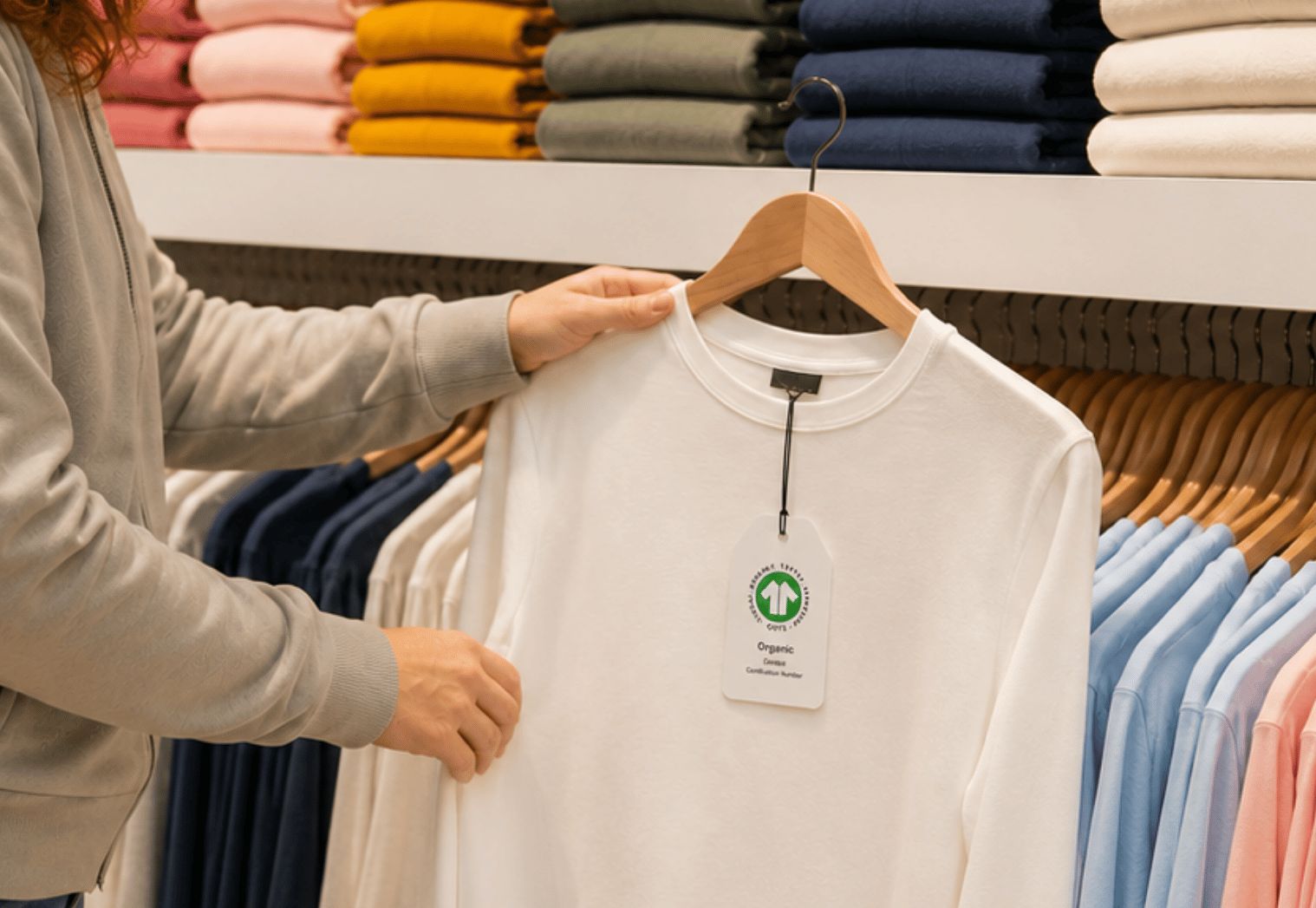
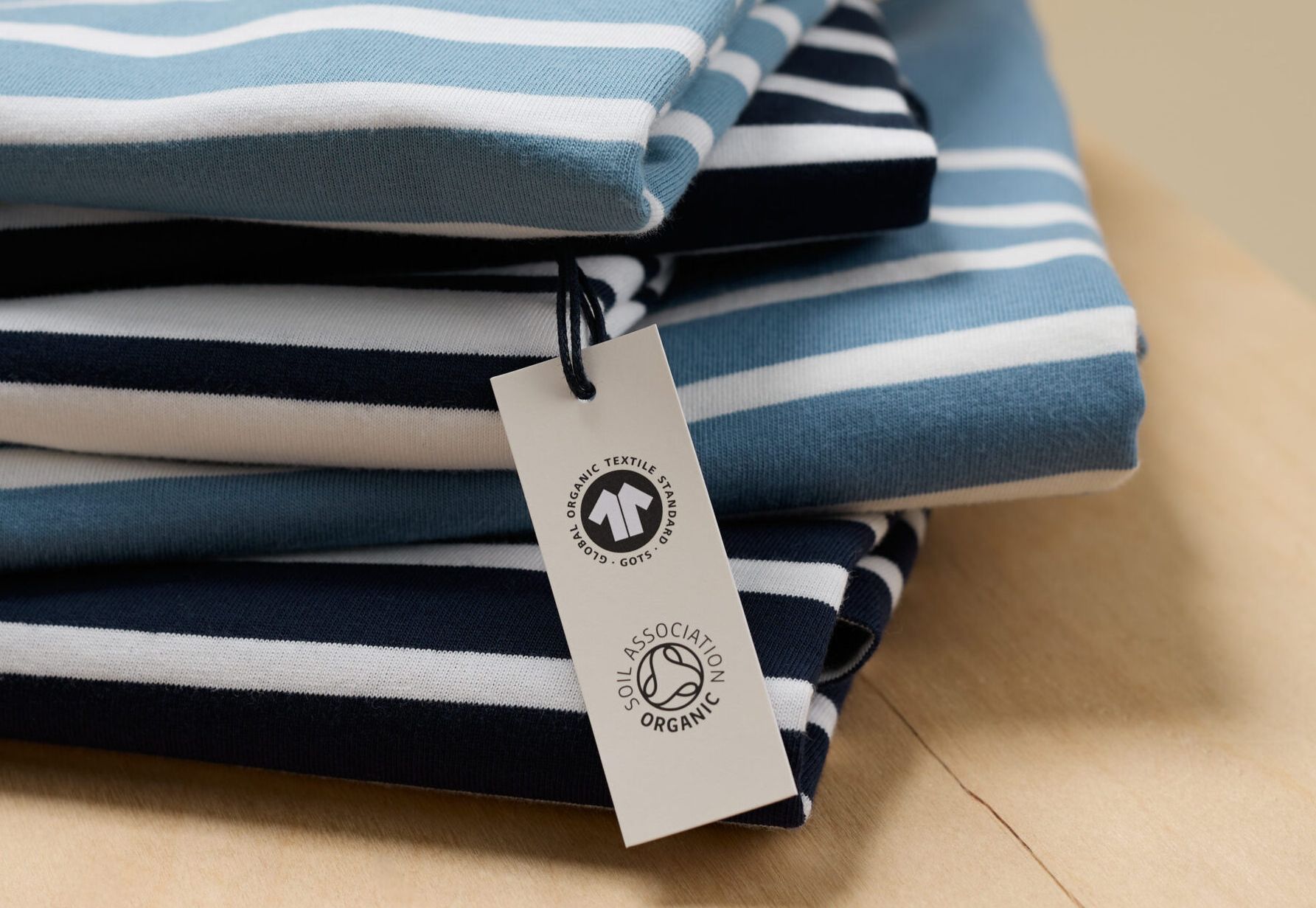
This connection to nature also shapes the way I think about our products. Clothing is something we wear directly against our skin every single day. It should not only be good for the environment—it should be good for our bodies too. For me, using certified organic materials free from harmful substances is not a premium feature. It is simply the right thing to do.
From your perspective, how can brands like MELA support people in making more mindful consumption choices?
By making the right choice the easy choice.
Consumers should not have to spend hours researching supply chains or comparing certifications. As a brand, our responsibility is to create transparency, offer durable products and communicate honestly.
The same principle applies to health. Many consumers do not realise that certified organic clothing not only protects the environment, but also keeps harmful substances away from their bodies. For people with sensitive skin, allergies, or young children, this is especially relevant. We want to make that visible – not through fear, but through honest communication.
I would love to see a world in which people buy less, choose more consciously, and appreciate the things they own for longer—or give them a second life when they no longer need them.
In your view, does the fashion and textile industry need more empathy? If so, where? And what role do certifications play?
Absolutely.
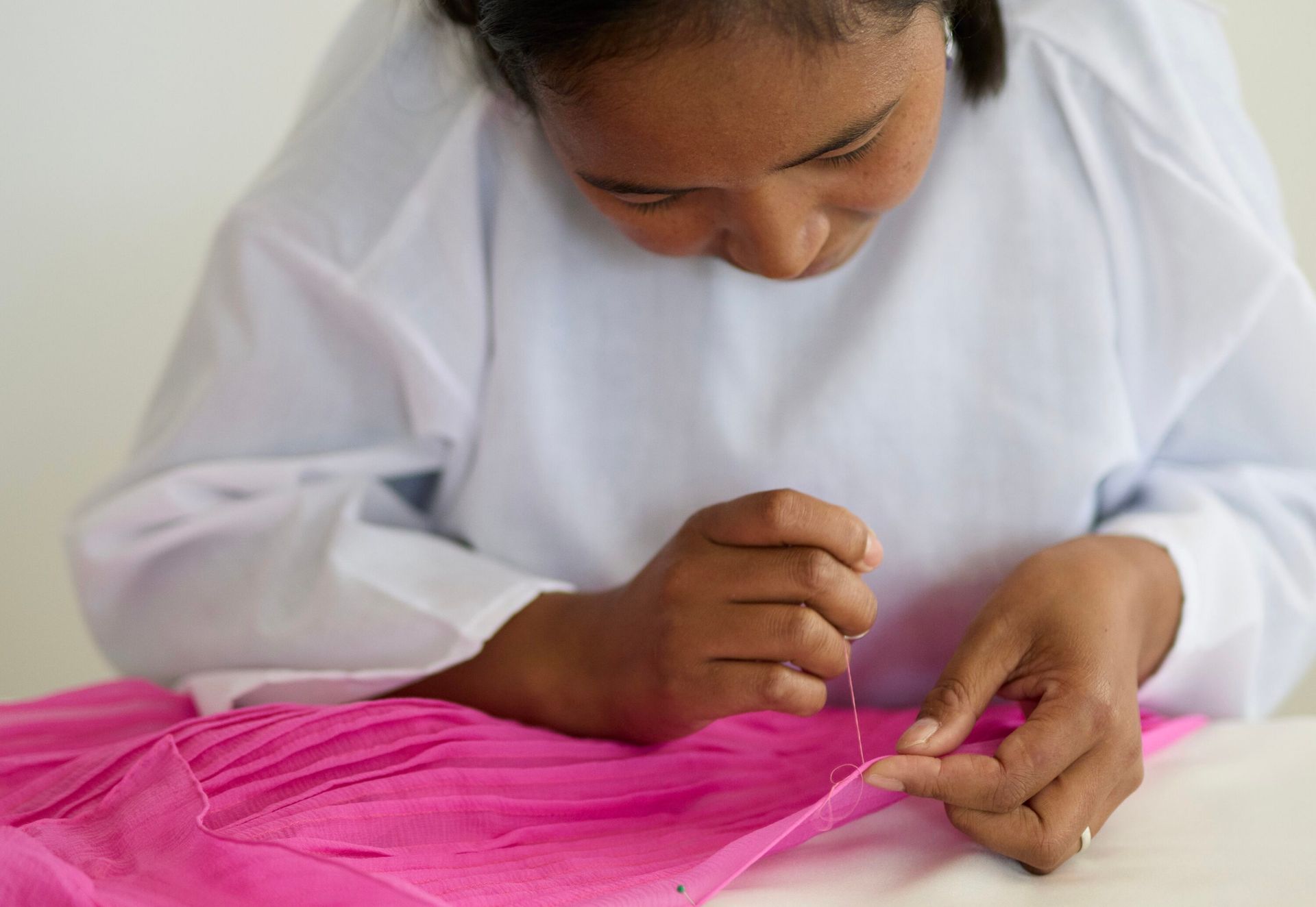
Empathy is needed throughout the entire value chain—from cotton farmers and garment workers to consumers and the generations that will have to live with the consequences of the decisions we make today.
Certifications such as GOTS create important standards and transparency. They help make responsibility visible and measurable. But real transformation only begins when people are not merely following rules, but genuinely care about the impact of their actions.
Empathy also means taking the health of our customers seriously. When someone buys a MELA product, they should not have to wonder what is in it. That trust is something we want to earn—through transparency, certified quality and a genuine commitment to wellbeing.
GOTS places strong emphasis on transparency and social criteria. Where do you see the added value of personal communication and relationships beyond certification?
Certificates create trust through systems. Relationships create trust through people.
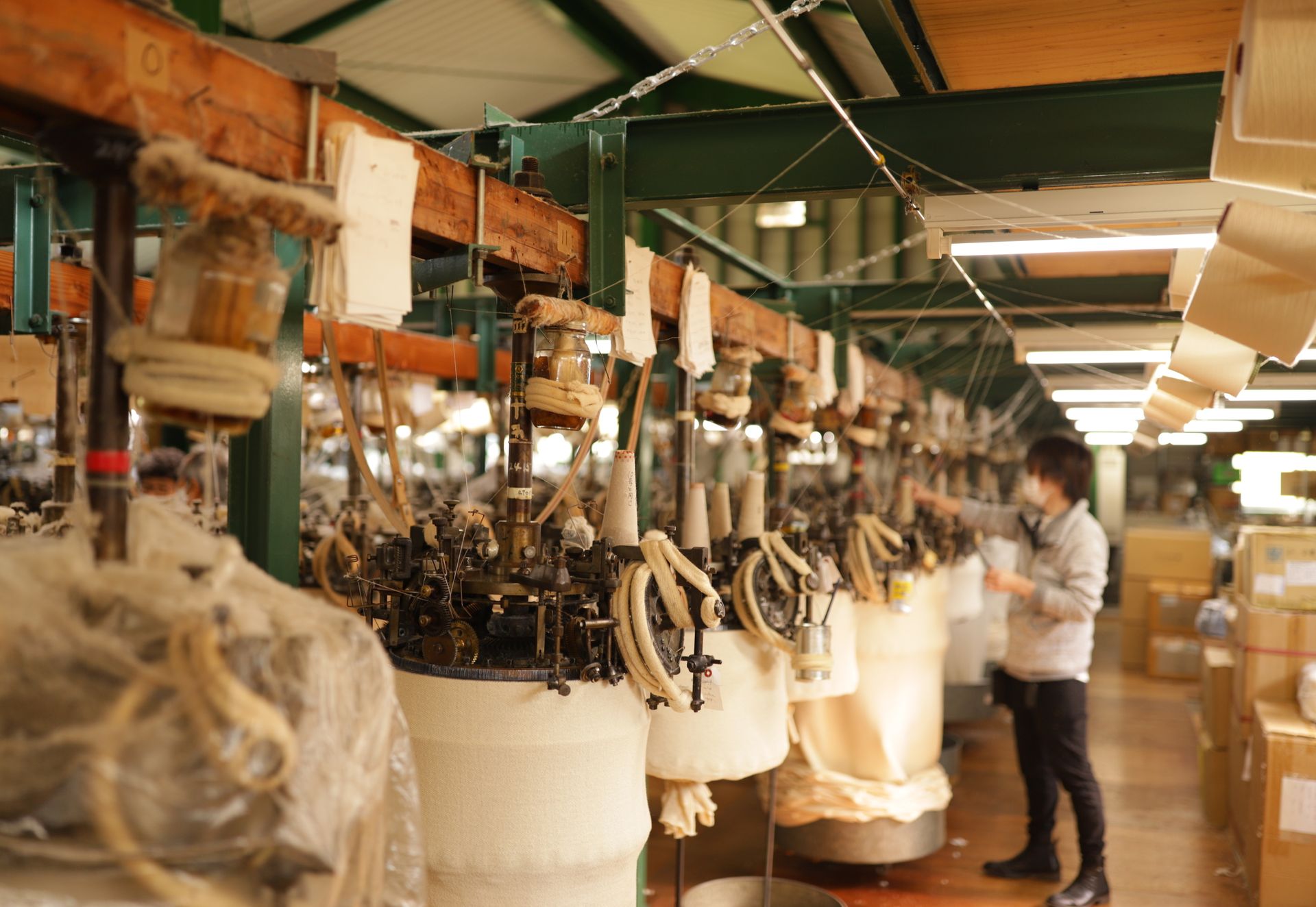
Long-term partnerships allow for honest conversations, shared learning and continuous improvement. In my view, the strongest supply chains are built not only on audits and contracts, but on mutual respect, trust and shared values.
Looking to the future: what do sustainable synergies between businesses, customers and nature look like?
The future belongs to business models that create value for everyone involved.
I also believe that clothing should actively contribute to people’s health and wellbeing, not just avoid doing harm. Imagine a world where getting dressed in the morning is not only an environmentally conscious choice, but also a healthy one. No hidden chemicals, no compromises. Just materials you can truly trust, on the skin of you and your family.
Companies should be successful because they help people live better lives while protecting, or even regenerating, natural resources. Economic success and responsibility must no longer be seen as opposing forces.
The most successful businesses of the future will not be those that extract the most value, but those that create the most value for people, communities and the environment at the same time.
What role do networks and collaborations play in driving real transformation?
A crucial one.
No company can solve the challenges of our time alone. Real transformation emerges through collaboration, through authentic connections between brands, suppliers, certification bodies, policymakers and consumers.
Sustainability should not be an area where we compete against one another. It should be an area where we make progress together.
What is one hope you have for the industry—and perhaps also for MELA—in the coming years?
I hope that sustainability will eventually stop being a niche topic or a competitive advantage and simply become the norm.
For MELA, I hope we continue to demonstrate that economic success, social responsibility and respect for nature are not contradictions. If we can inspire others to follow the same path, we will have achieved something truly meaningful.
And on a very personal level, I hope that one day my children will be able to say:
“You didn’t get everything right, but you acted with integrity and genuinely tried to make a positive difference.”