When we think about the products we use while doing sports, we often pay close attention to what we choose. The food we eat. The deodorant we use. The shoes we rely on for a long run. We read labels, seek out trusted opinions and scroll through reviews.
But what about the clothes we wear?
Few garments spend more time in direct contact with our skin than activewear. Yoga leggings, sports bras and athleisure pieces accompany us through movement, stretching and sweating. And increasingly, we wear them long after a workout ends – while working from home, running errands, travelling or meeting friends.
Athleisure has moved far beyond the gym. As these garments become a bigger part of everyday life, there’s another question worth asking: what do we actually know about how the clothes closest to our skin are made?
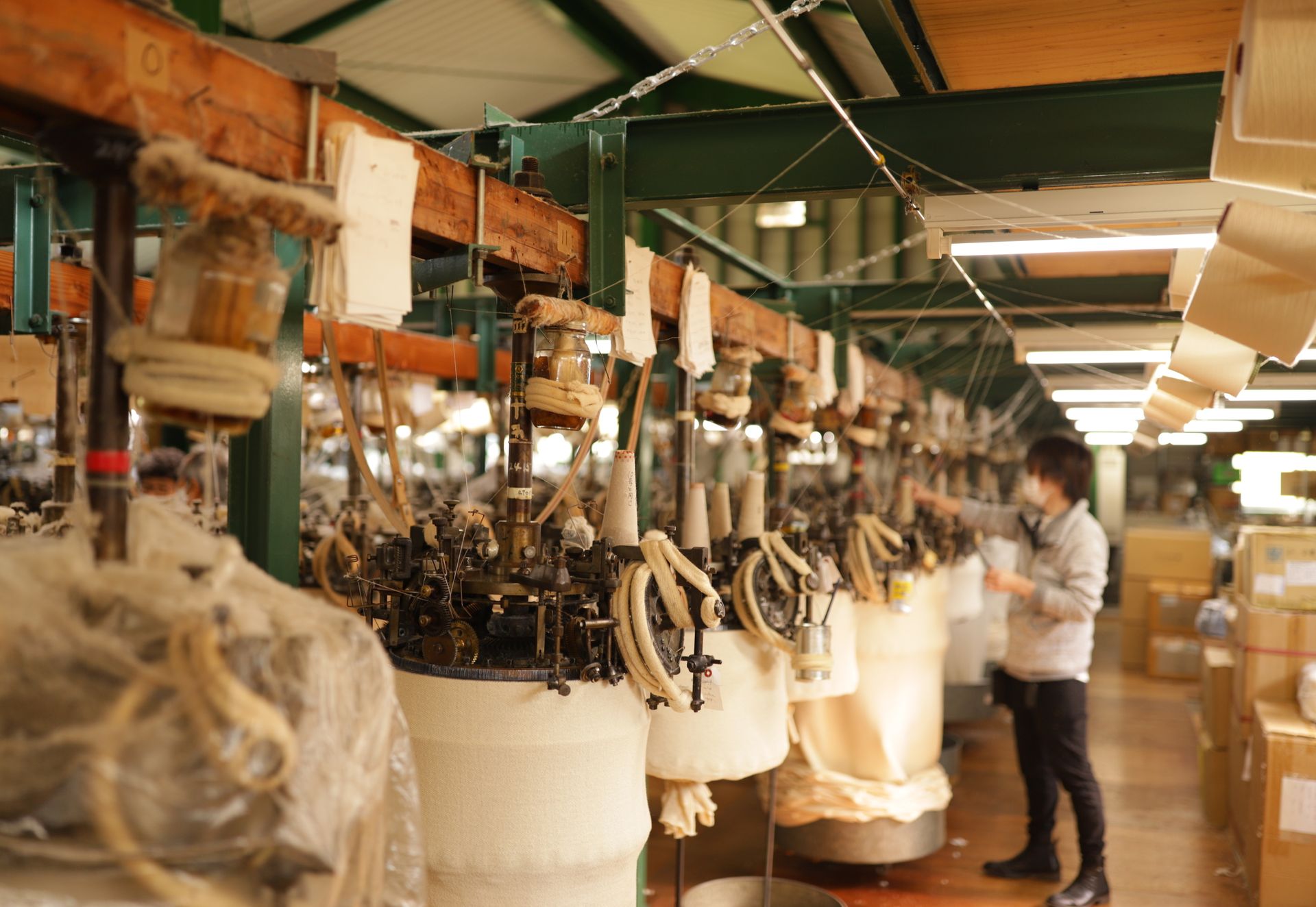
For many of us, activewear is chosen based on comfort, fit, style and performance. Yet behind every pair of leggings or sports bra is a much longer story involving fibres, dyes, textile processing and manufacturing.
This is where brands like Urban Goddess are asking more questions!
Founded in Amsterdam over thirteen years ago, Urban Goddess began as a grassroots yoga-wear company inspired by a simple idea: creating comfortable, beautiful clothing for yoga practice and beyond. Today, it has expanded into Pilates and activewear while staying close to that original vision.
Part of that philosophy comes from the yogic principle of Ahimsa, often translated as “do no harm.”
“For me, so much of the fashion industry has very dark energies, doing harm to people and the planet,” explains founder and owner Marlene. “It has always been important to us that we make the best possible workable choices.”
For Urban Goddess, that philosophy influences decisions about materials, production and the standards the company chooses to follow.
“Many yoga and Pilates people don’t make any connection between health and the clothes they wear,” says Marlene.
People who carefully consider what they eat, what they put on their skin and how they approach their wellbeing may not always ask the same questions about textiles.
This isn’t about creating fear or guilt. It’s about being curious about something we wear every day.
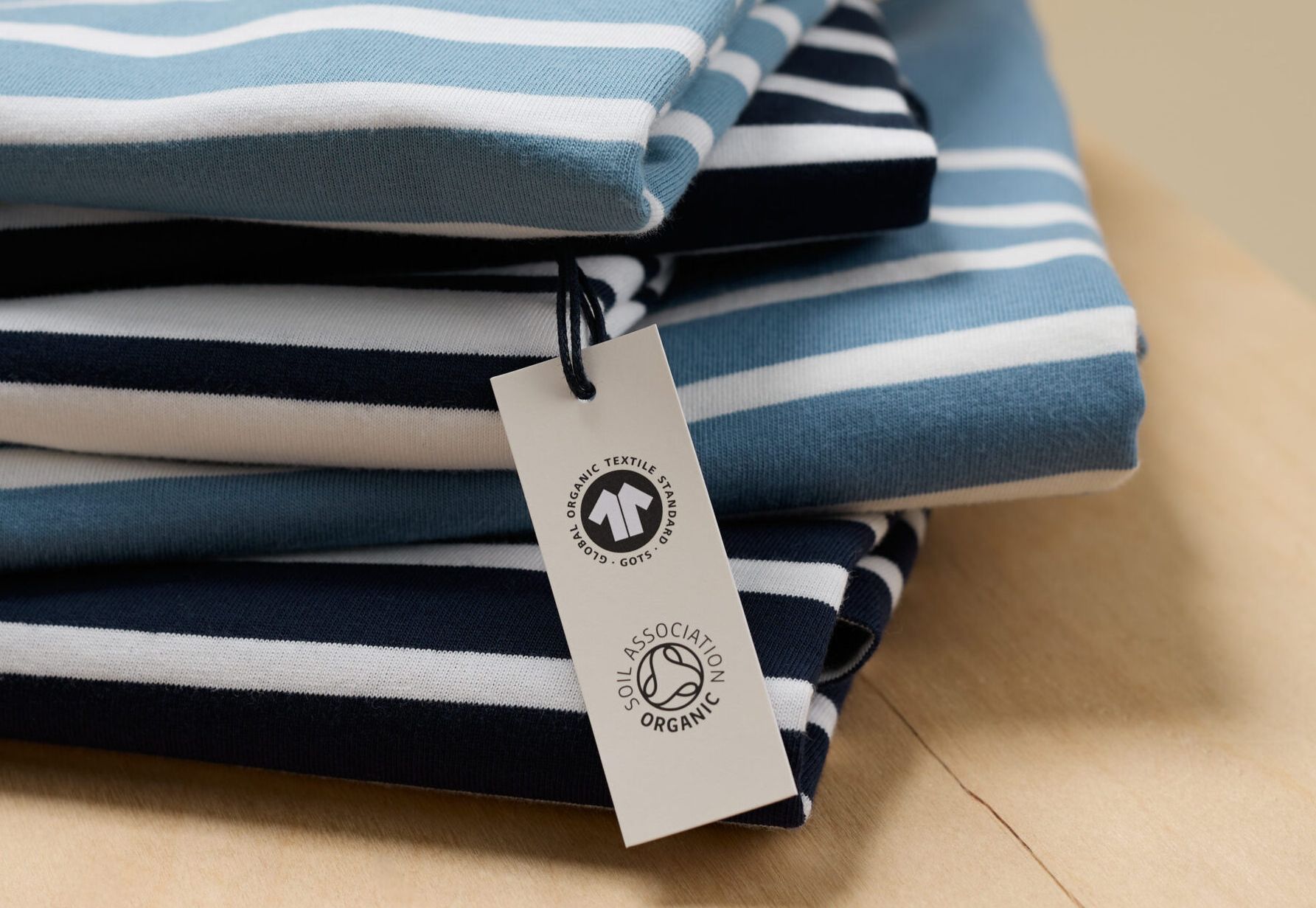
Urban Goddess says it intended to pursue GOTS certification from early in its development. For many years, the company worked with GOTS-certified suppliers and fabrics before pursuing certification itself in 2023.
“I love that the certification has a broad scope of good practices for environment and humans,” says Marlene.
GOTS applies requirements across textile processing and manufacturing after raw fibre production. These include requirements relating to chemical inputs, environmental management and social criteria – and this compliance with applicable GOTS requirements is independently assessed and certified by accredited third-party certifiers.
For Urban Goddess, certification formalised an approach the company says had been part of its identity from the beginning.
“As all of our products are certified GOTS or OCS, we find that this is in absolute alignment with our DNA. We never wanted to be anything else.”
Every year, Urban Goddess produces around 35,000 garments, sold through its own online store as well as international retailers including Zalando, Avocadostore and Decathlon.
As the brand reaches new audiences, it says it has also noticed growing interest in understanding what certification means.
And perhaps that is where the conversation around athleisure becomes interesting.
Clothes once reserved for exercise are now part of everyday life. We wear them to practise yoga, commute, travel, work and relax. Asking how those clothes were made doesn’t require becoming a textile expert.
It can start with much simpler questions.
What fibres were used? How was the textile processed? Which requirements applied during manufacturing? And what was independently assessed?
For Urban Goddess, GOTS certification provides one framework for answering some of those questions. Rather than describing every possible impact of a garment, the standard defines requirements within a specific scope and provides for independent third-party certification against them.
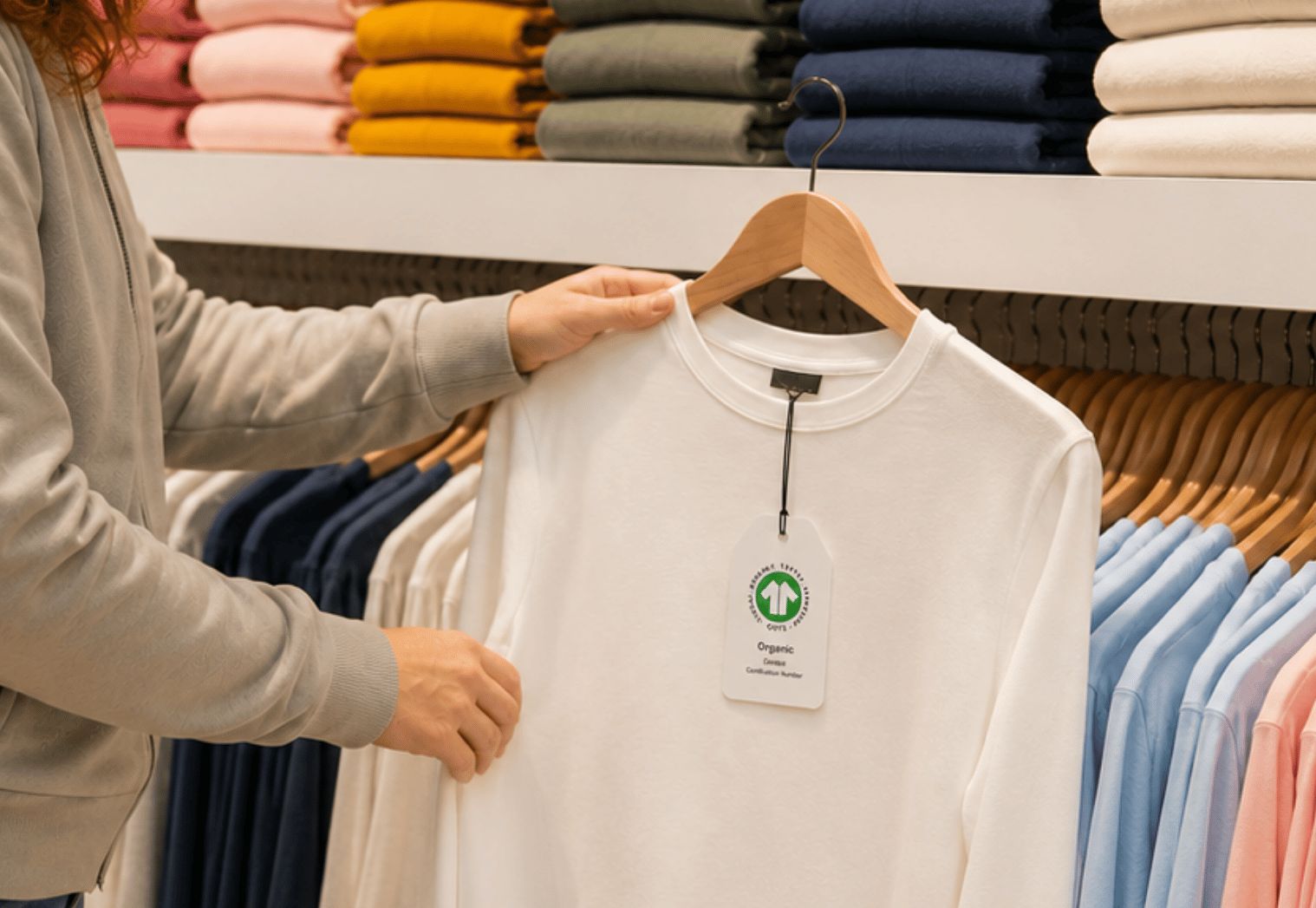
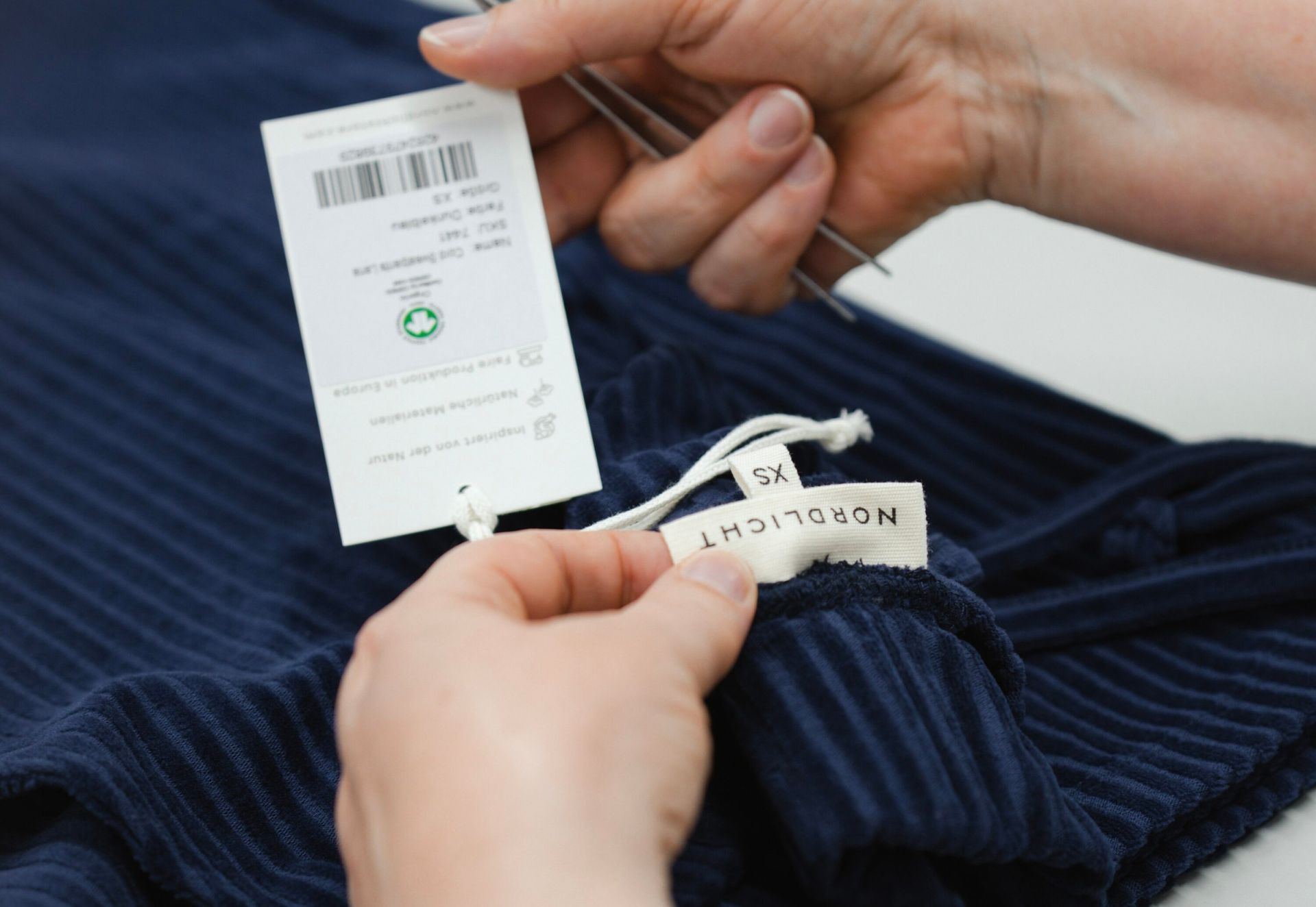
The next time you pull on your favourite leggings or reach for a sports bra, perhaps take a closer look at the label.
Because when clothing becomes such a constant part of everyday life, it’s worth knowing a little more about the journey behind it.