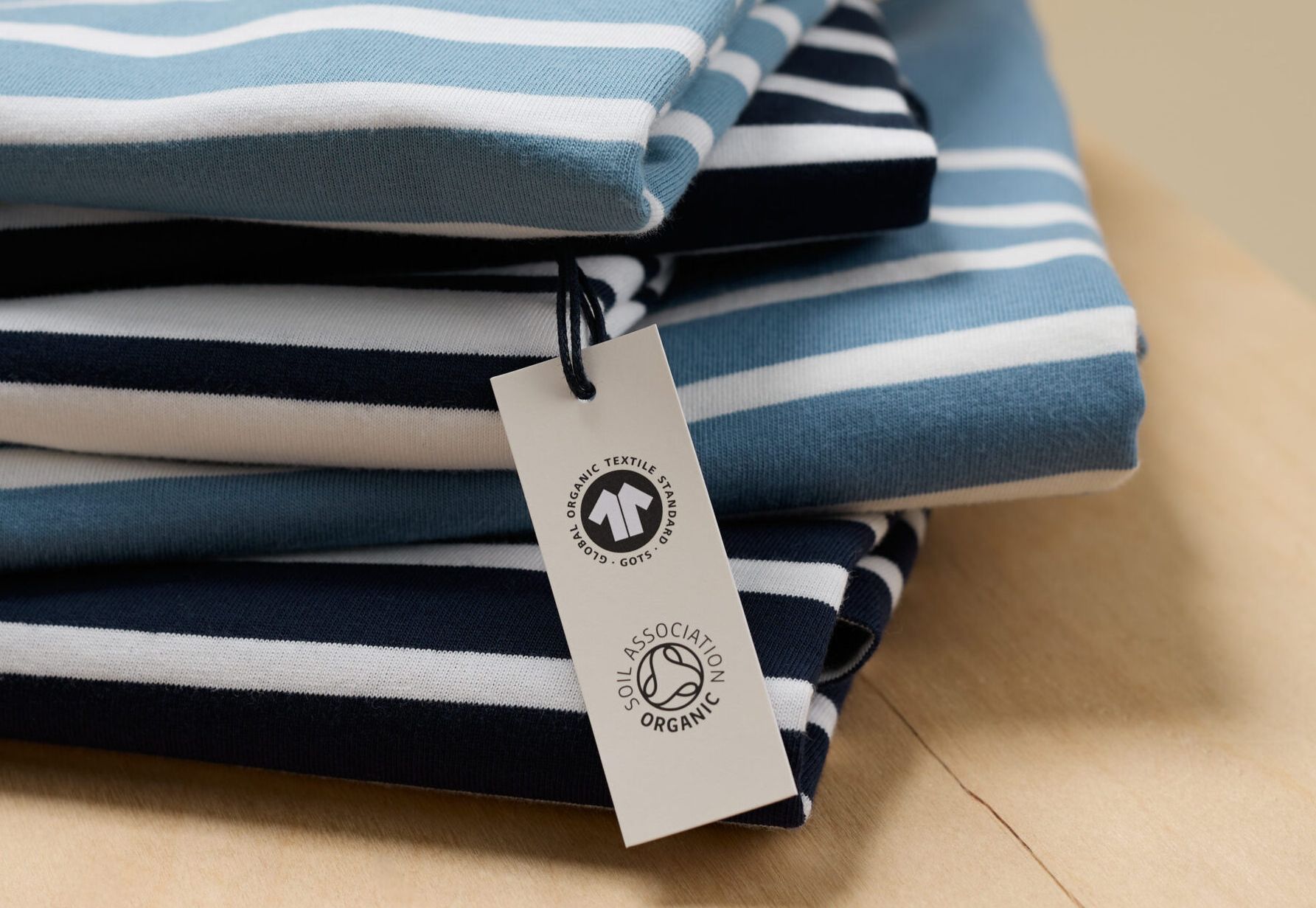
For the Hamburg-based fashion label recolution, verified production has never been a trend, a marketing trick, or just a separate “green” collection. Since the company started in 2010, and got its GOTS certification right from the beginning, the goal has been the same: to prove that fashion can be transparent, long-lasting and meet recognised environmental and social requirements – all at once. As founder Jan Thelen puts it: “GOTS is not a marketing label for us. It is the foundation of our credibility.”
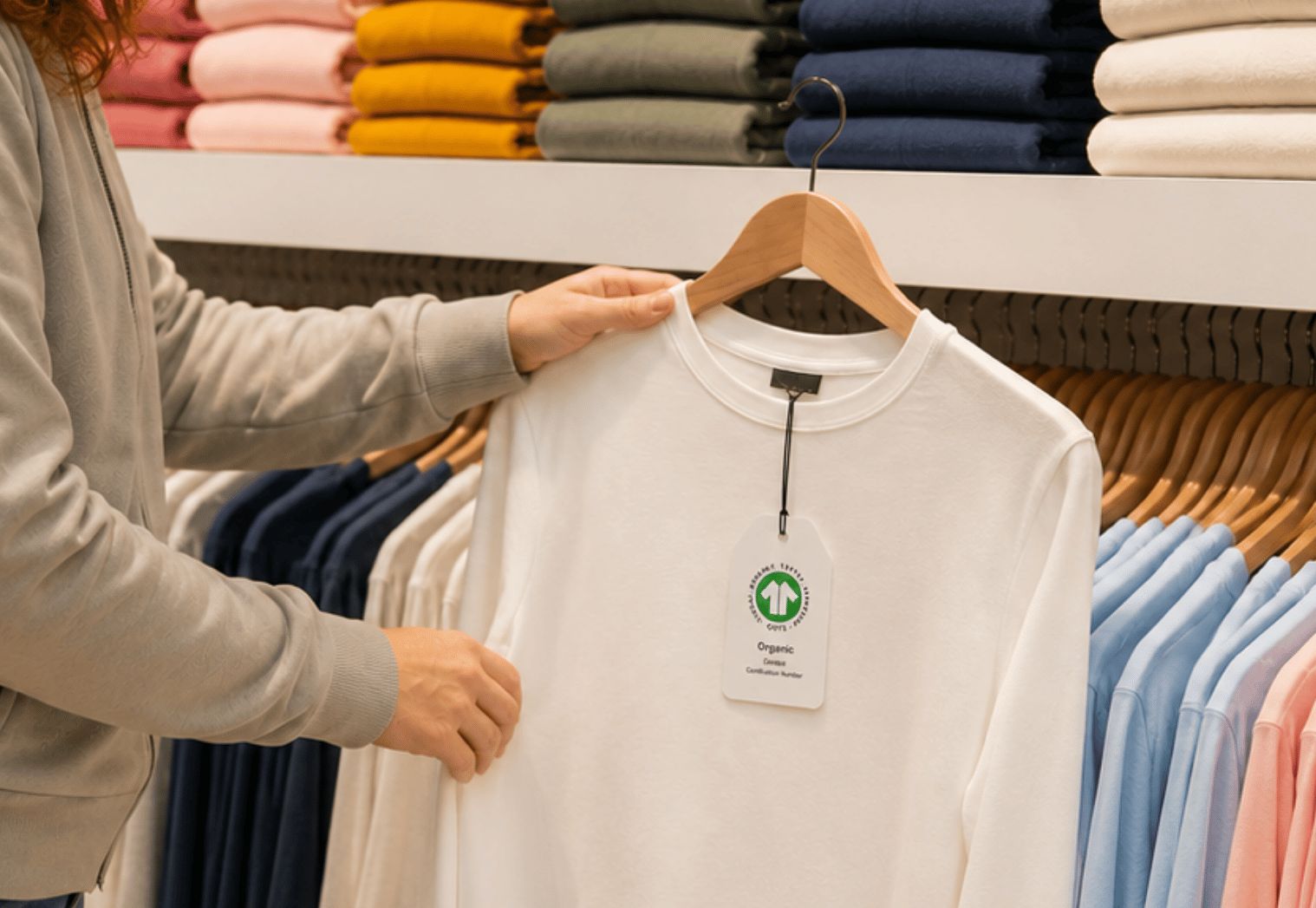
Rather than relying on broad sustainability claims, recolution uses independent certification to substantiate the environmental and social criteria covered by GOTS.
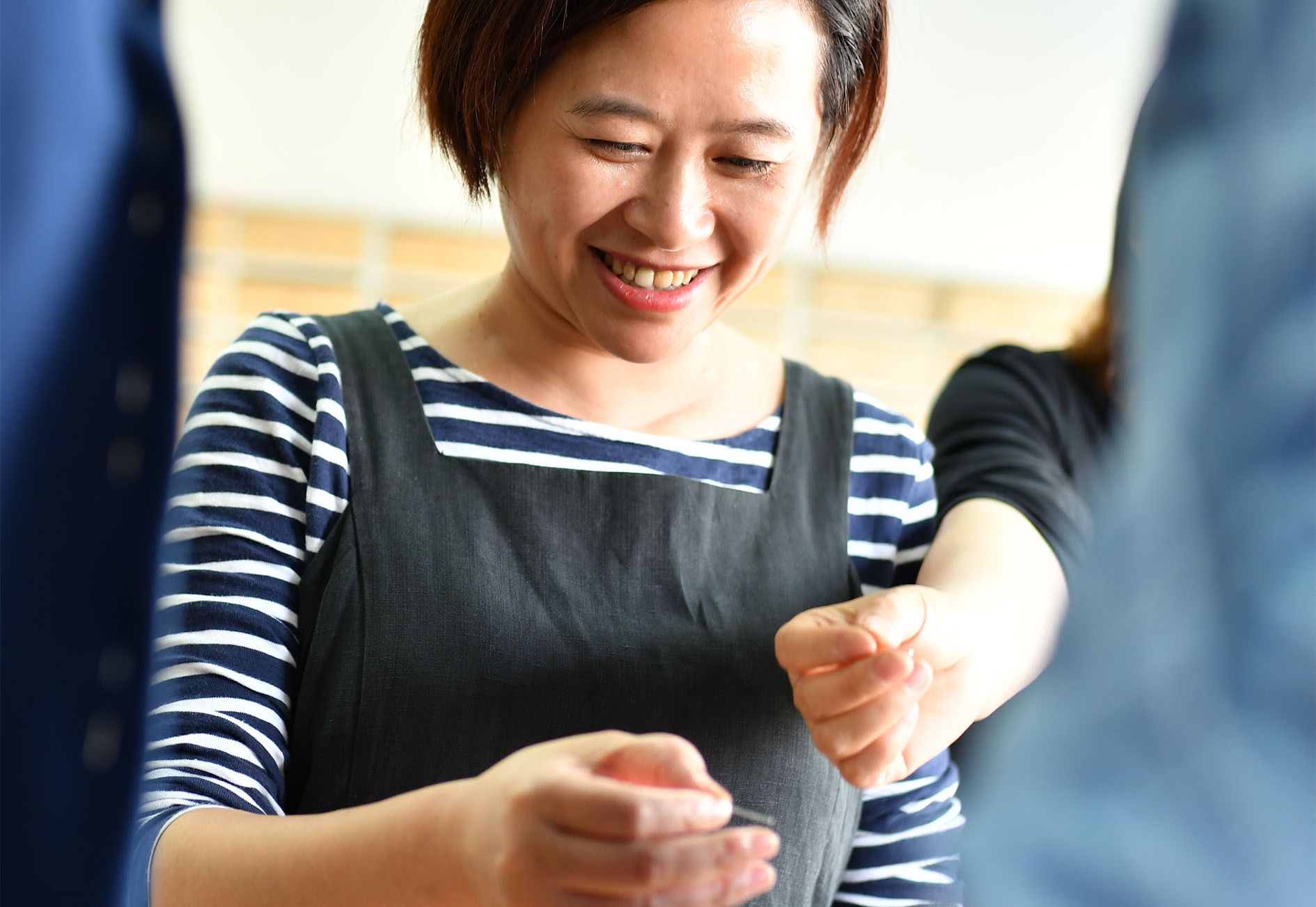
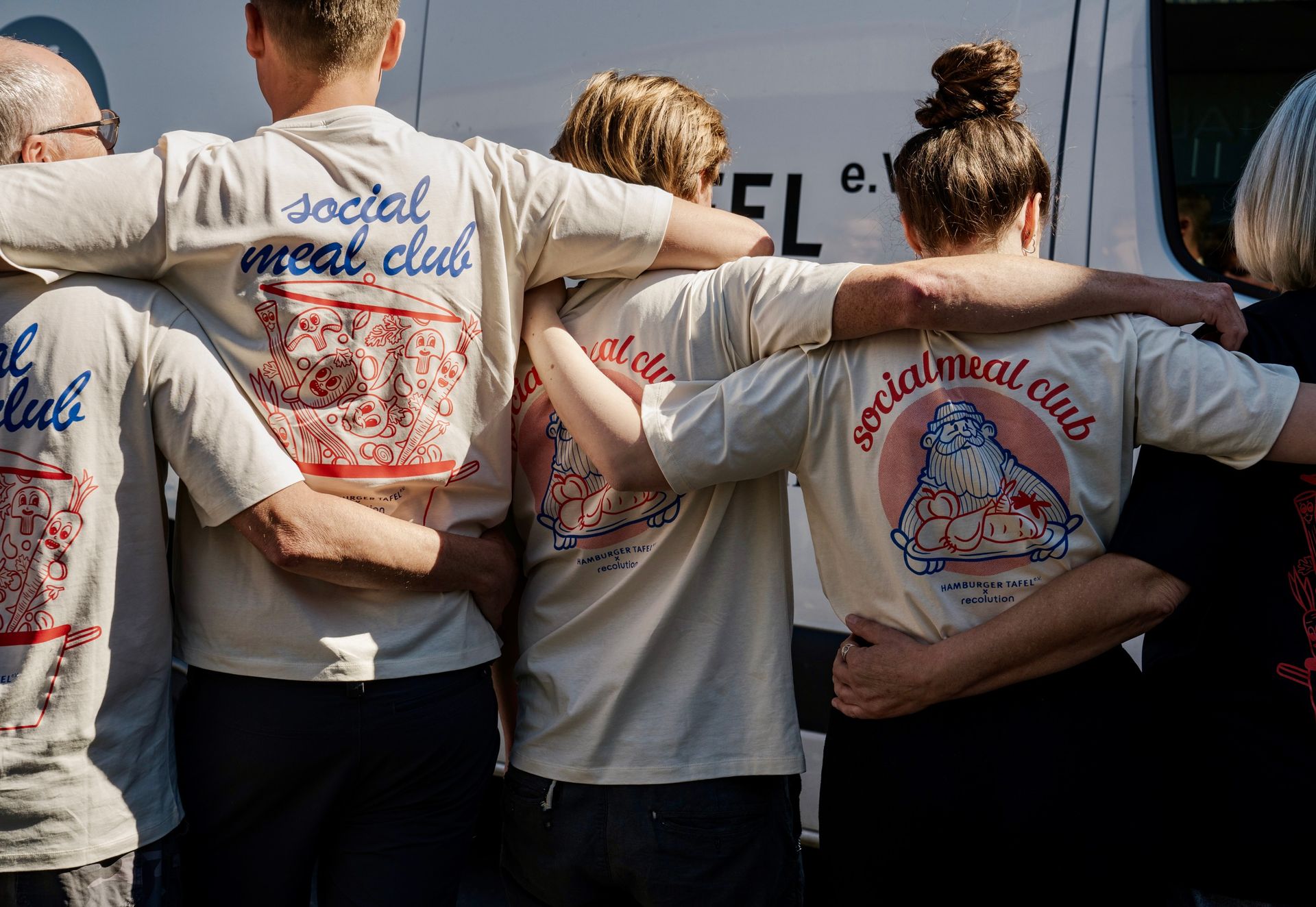
For recolution, these values go much further than certified fabrics and production processes: it is deeply connected to helping people and standing up for shared values. Take the “Social Meal Club”, which supports the Hamburger Tafel. This organisation rescues more than 6,000 tons of food every year and helps around 40,000 people each week, including about 1,300 unhoused individuals. Since they run entirely on donations, partnerships like this make a real difference.

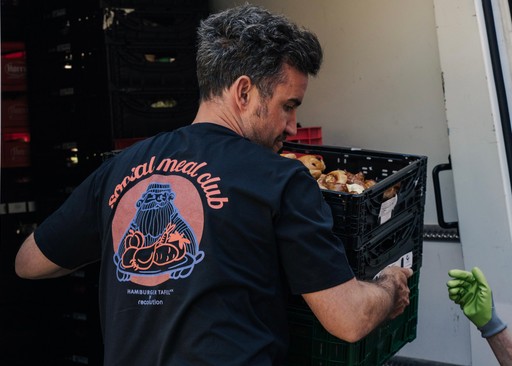
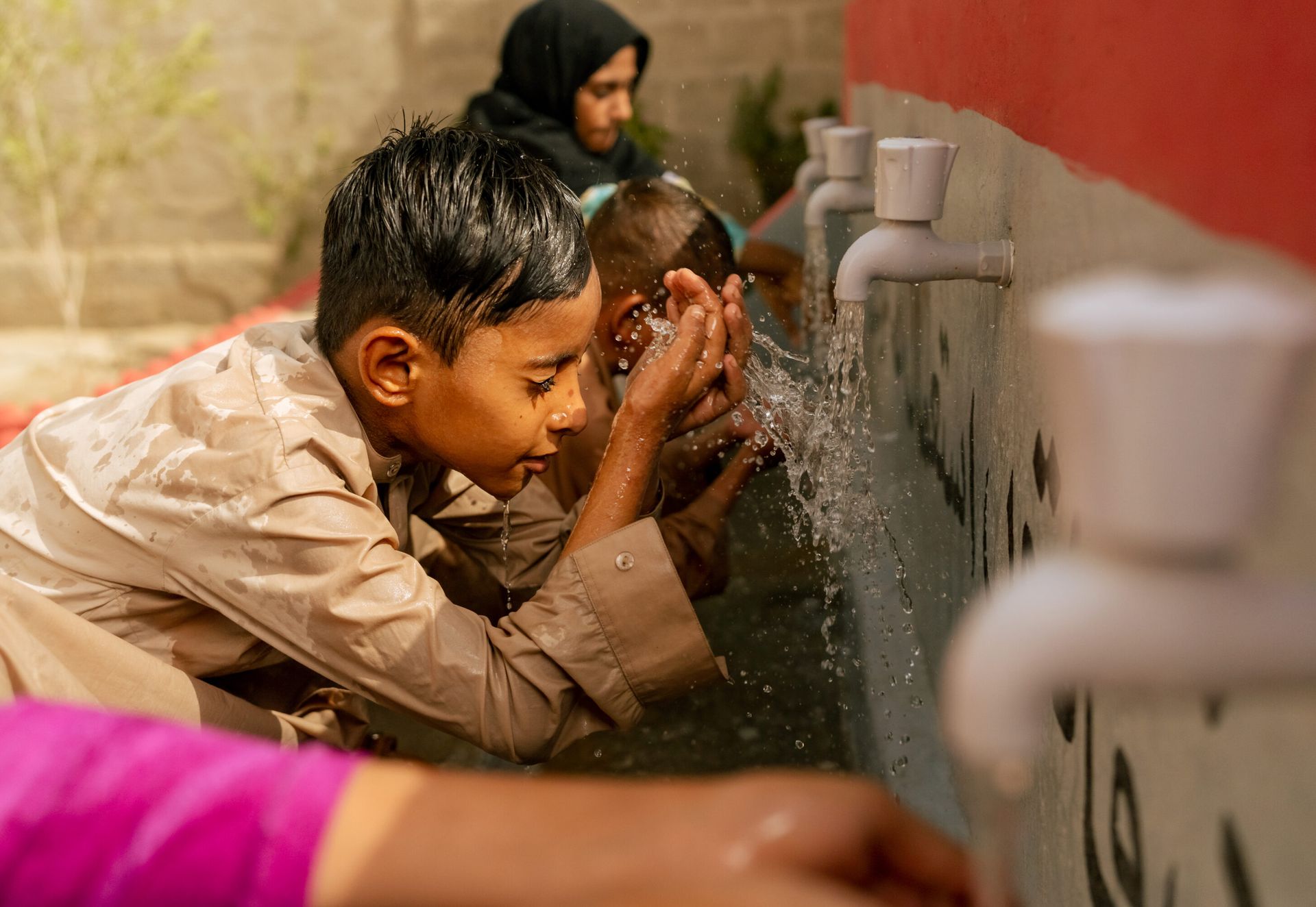
Other great projects include the “No Hate” collection with (also GOTS-certified) football club FC St. Pauli and the beverage company fritz-kola, or the partnership with Goldeimer to support sanitation and hygiene projects worldwide. Jan Thelen explains: “It’s important to us that we also take social responsibility right on our own doorstep, outside our home, office, and warehouse. That is why this initiative is such a heartfelt project for us.” Each initiative combines social ambitions, organic production with real help for people, showing how a clothing company can combine certified production, values dand social initiatives with direct community engagement.
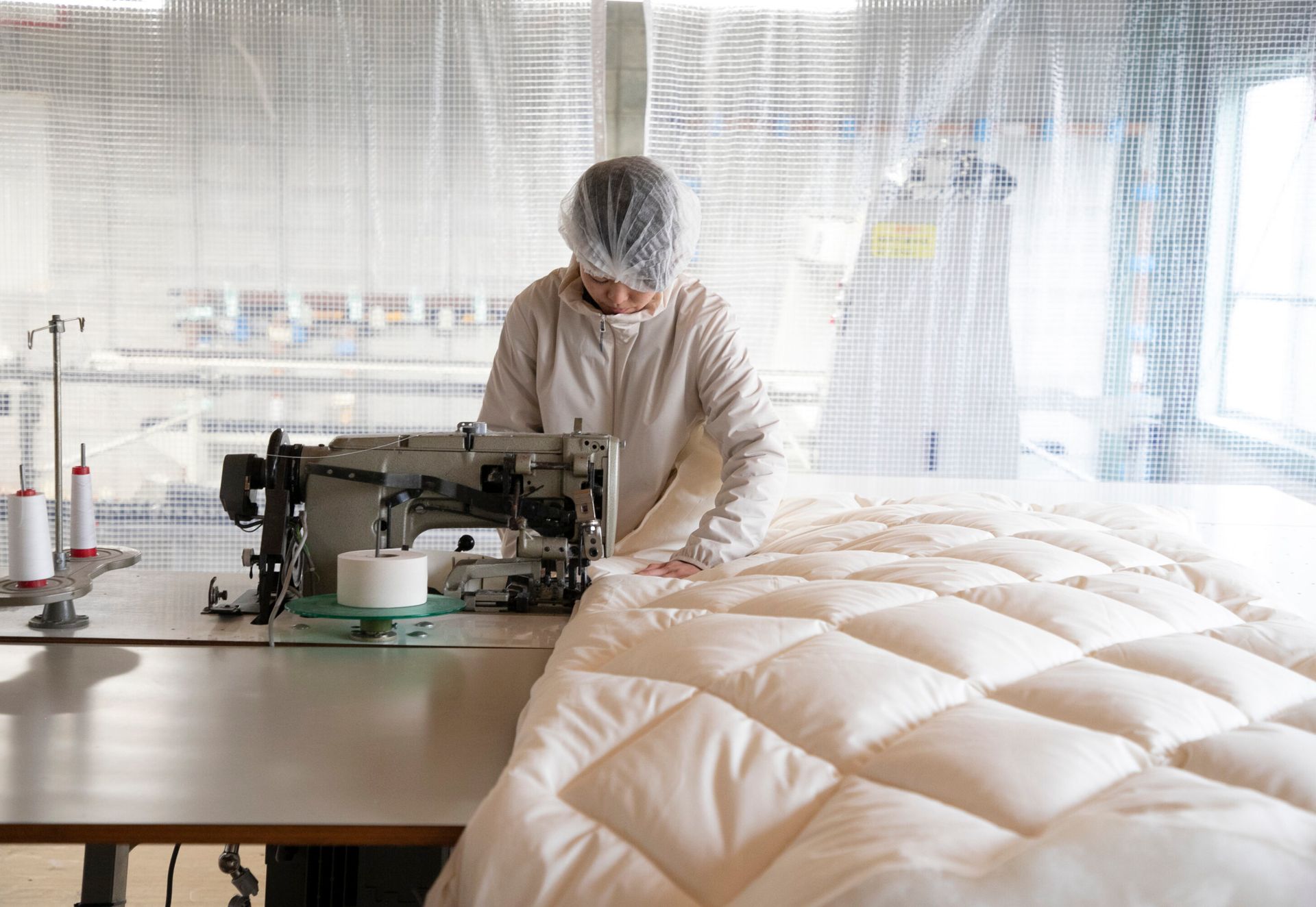
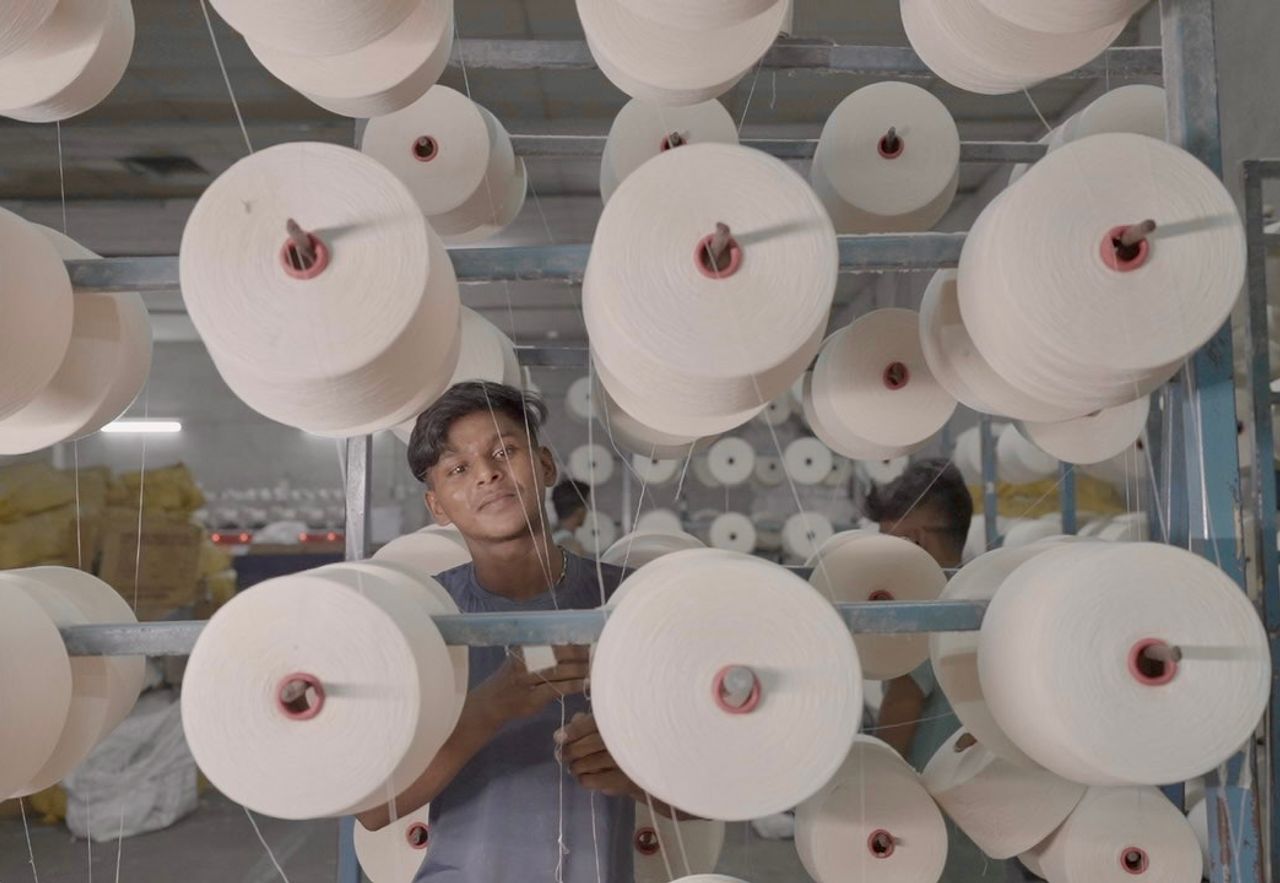
What connects all these partnerships is not a symbolic donation percentage, but honest teamwork. This honest approach also shapes how recolution makes clothes. Around 69% of their products are GOTS-certfied and made from certified organic cotton, and another 2.5% from materials certified to other sustaianable standards. The rest is Lenzing EcoVero viscose, certified wool, and a few items like corduroy trousers that cannot be certified at all. The company aims to design products for long-term use: customers wear their recolution clothes for three to four years on average, and often longer, which is the exact opposite of fast fashion’s throwaway culture. The company avoids elastane and synthetic content wherever it can, maintains traceability throughout its supply chain and treats sustainability into its everyday business practices.
At a time when greenwashing makes it hard to trust the fashion industry, brands like recolution show what it means to actually live your values. Their commitment to GOTS is not just about rules and certificates: it is about being honest, consistent and showing how independently certified production can be combined with wider social engagement. The Social Meal Club is the perfect example: a simple T-shirt becomes a message of solidarity, local responsibility, and the belief that sustainable fashion should not only ask how clothes are made, but also how brands contribute to the communities they support.