A backpack seems like a fairly simple object. Fabric, straps, zippers, a few pockets, maybe a laptop compartment. We pick it up, check how it feels, look at the label and decide whether we like it.
But trace that same backpack backwards and a much more complicated story begins to emerge.
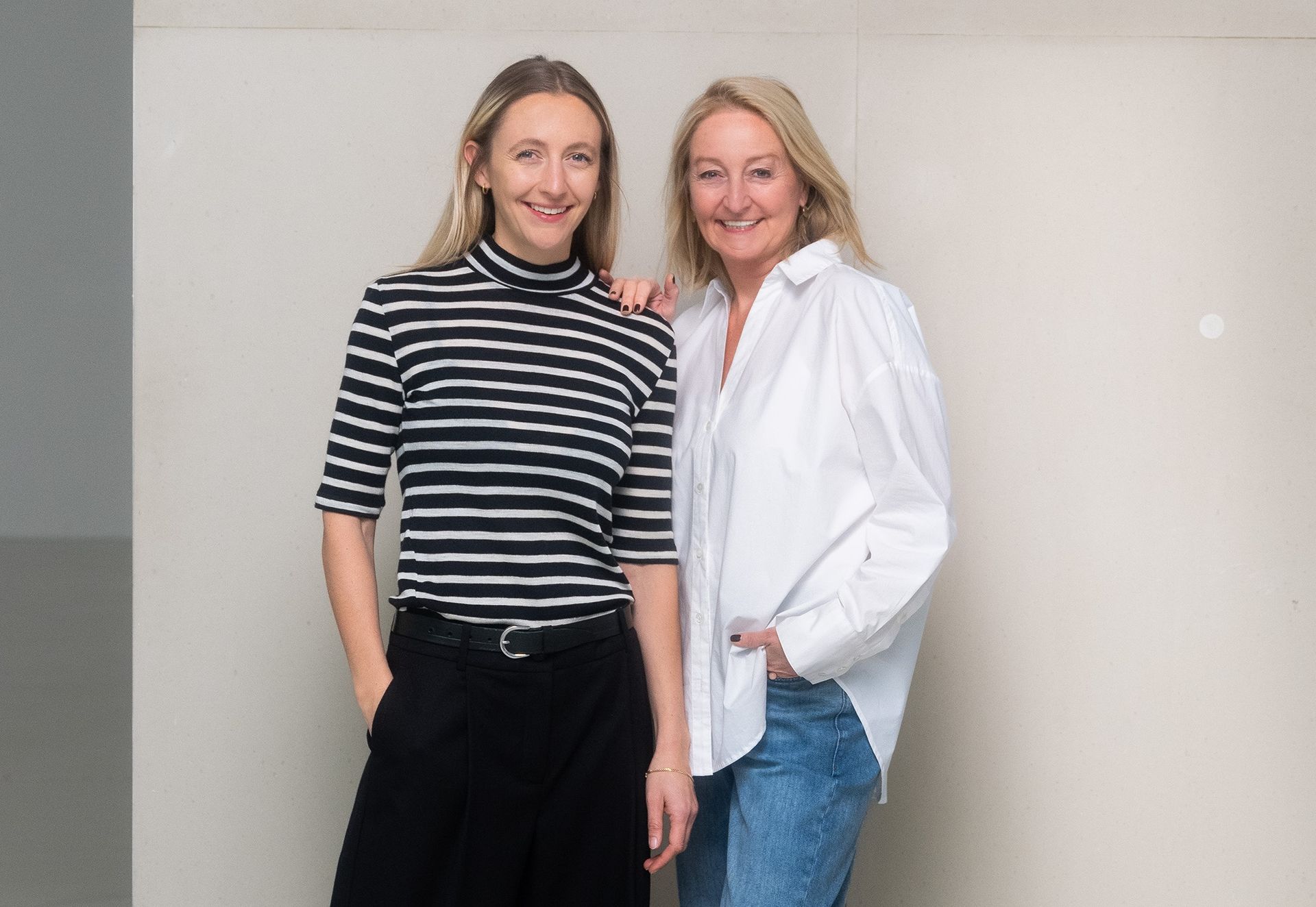
For Terra Thread, a family-run brand based in Southern California, USA, that story starts with a desire to make everyday products differently. Founded by father-daughter-duo Vik and Vizan, the company produces backpacks, totes and other goods made with certified organic cotton. Its wider ambitions include supporting farmers, improving soil health, addressing working conditions and reducing plastic waste.
But what does that look like when you have to turn it into a physical product?
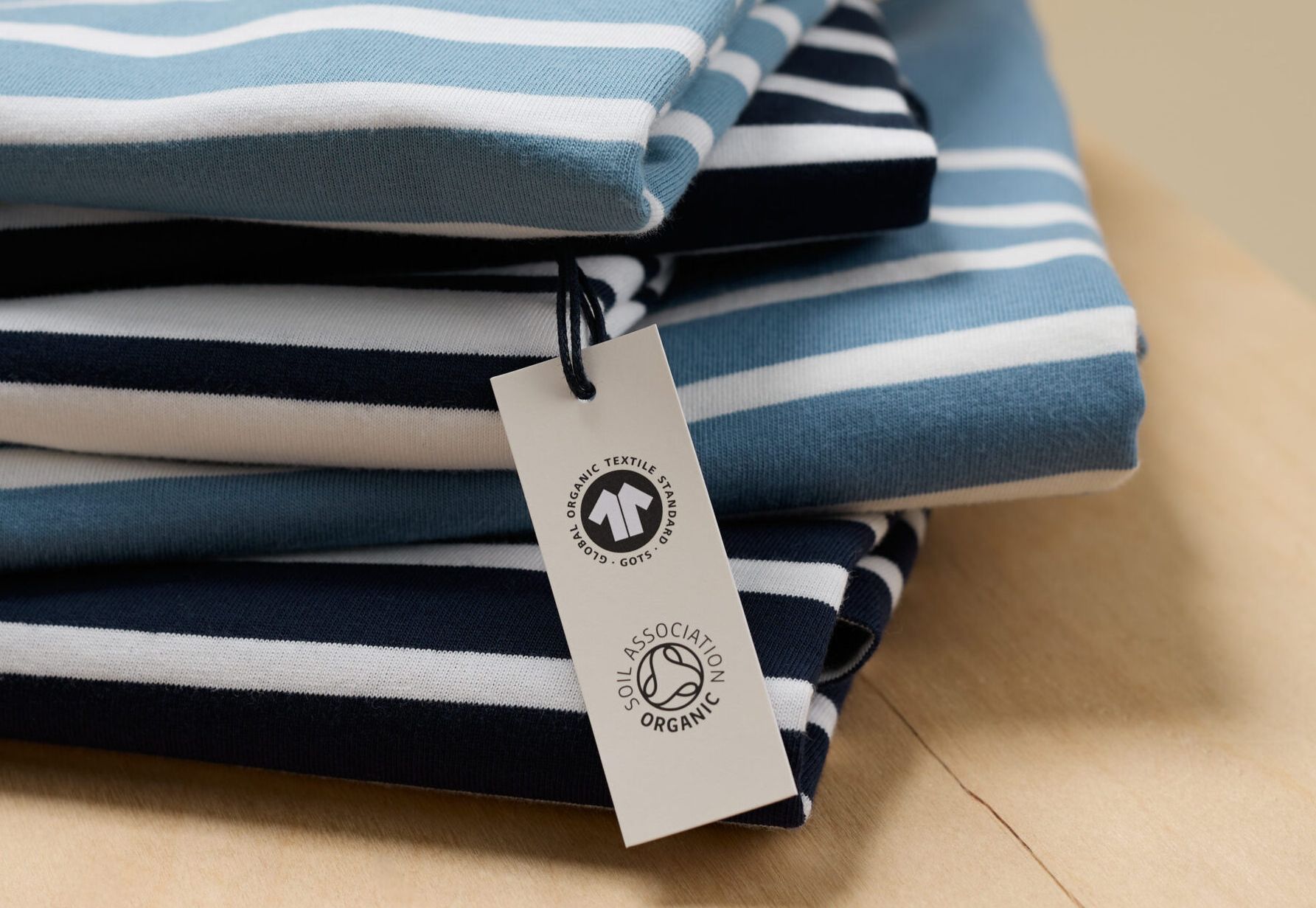
Take one of Terra Thread’s GOTS-certified backpacks. One of the first things you might notice is the material: certified organic cotton.
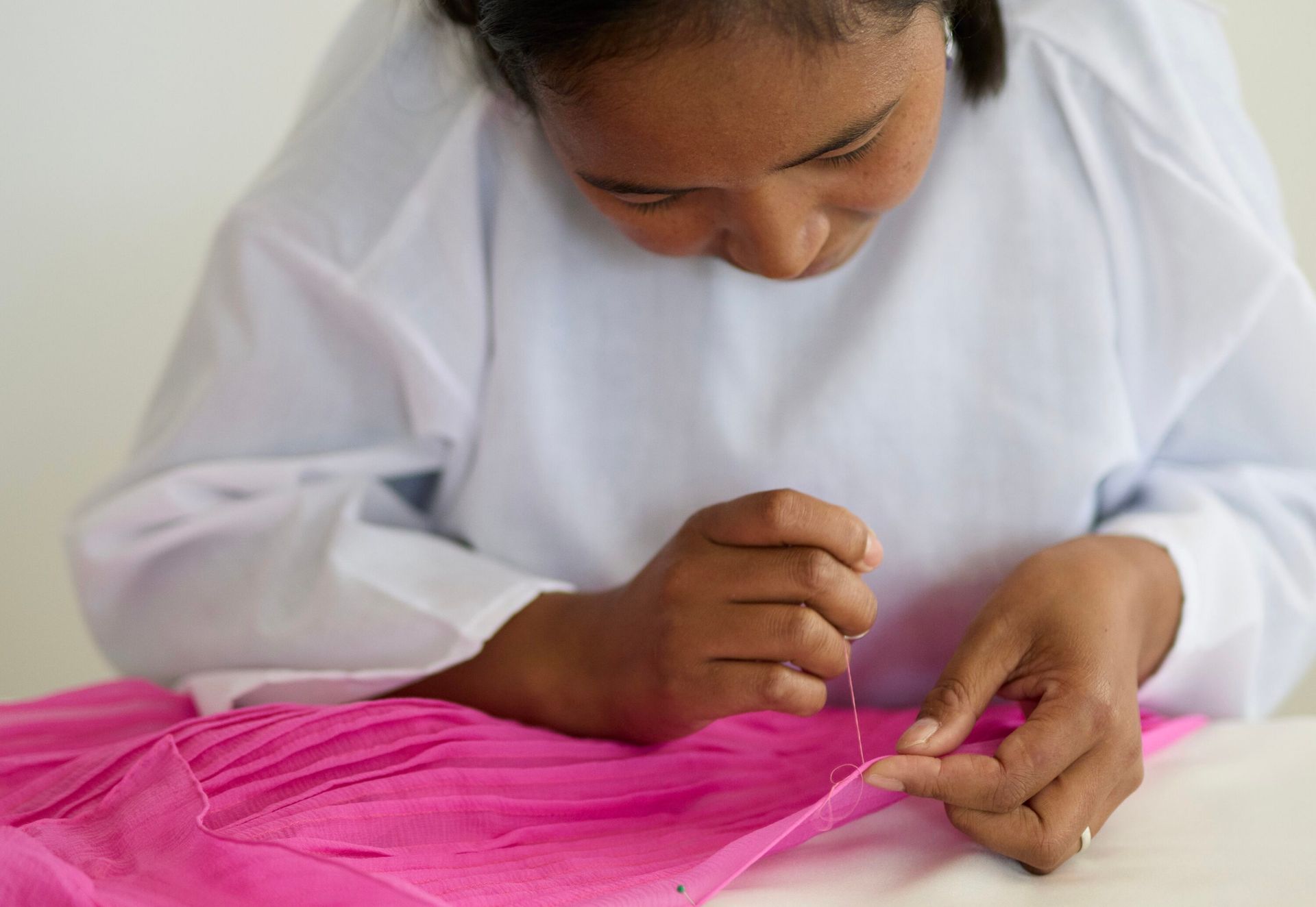
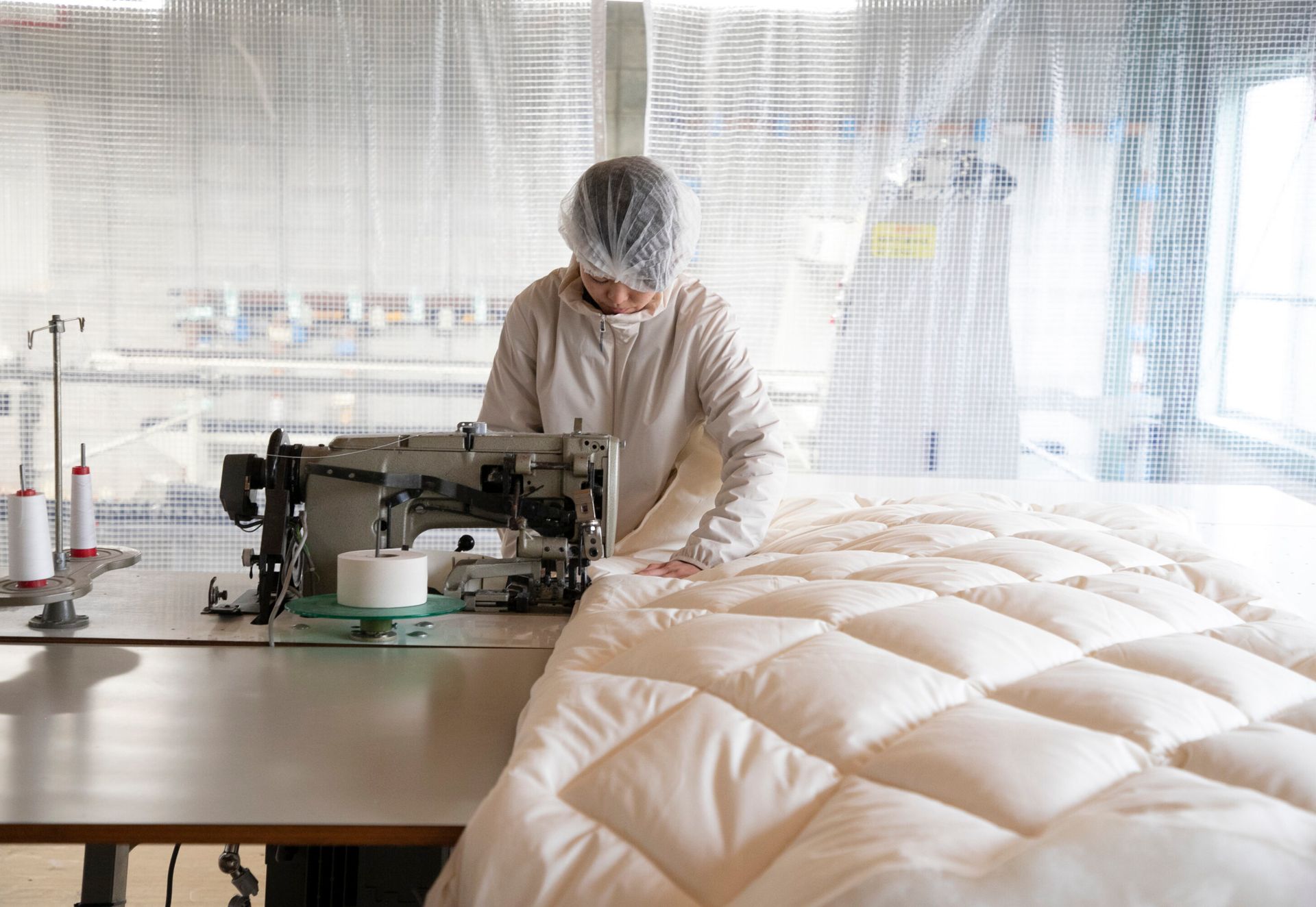
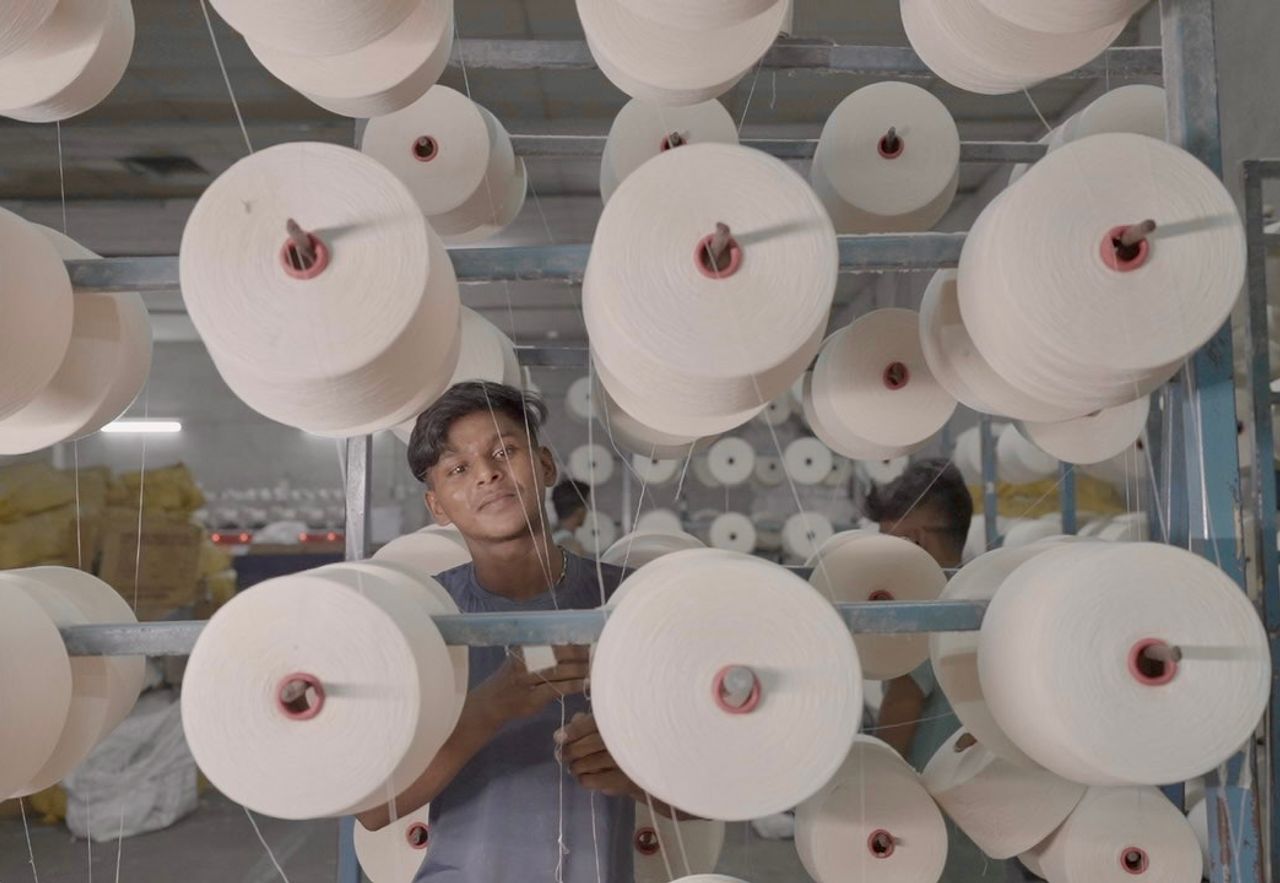
Yet a backpack isn’t just cotton. It has thread, zippers, trims, straps, labels and other components – before the fabric reaches the sewing floor, cotton fibre has already been transformed into yarn and fabric and passed through multiple processing stages.
So making a backpack to meet GOTS requirements isn’t about one decision. It involves choices across multiple stages of textile processing and manufacturing.
Terra Thread says this is one of the ways the Standard has shaped its approach. For products certified to GOTS, requirements apply to textile processing and manufacturing, including criteria relevant to materials, chemical inputs and components within the scope of the standard.
That affects practical decisions about manufacturing partners and details such as trims and accessories. “Because we exclusively make products that comply with GOTS standards, we are intentionally selective about every stage of production,” Terra Thread explains. “It shapes how we choose our partner factories and guides every detail, down to the zippers, trims, and accessories we use.”
Follow the backpack further backwards and another important distinction emerges. Organic cotton tells us something about how the fibre began its life. But GOTS certification of a textile product is not certification of cotton cultivation itself. Agricultural organic standards address cultivation of the fibre, while GOTS applies requirements to subsequent textile processing and manufacturing stages within its scope.
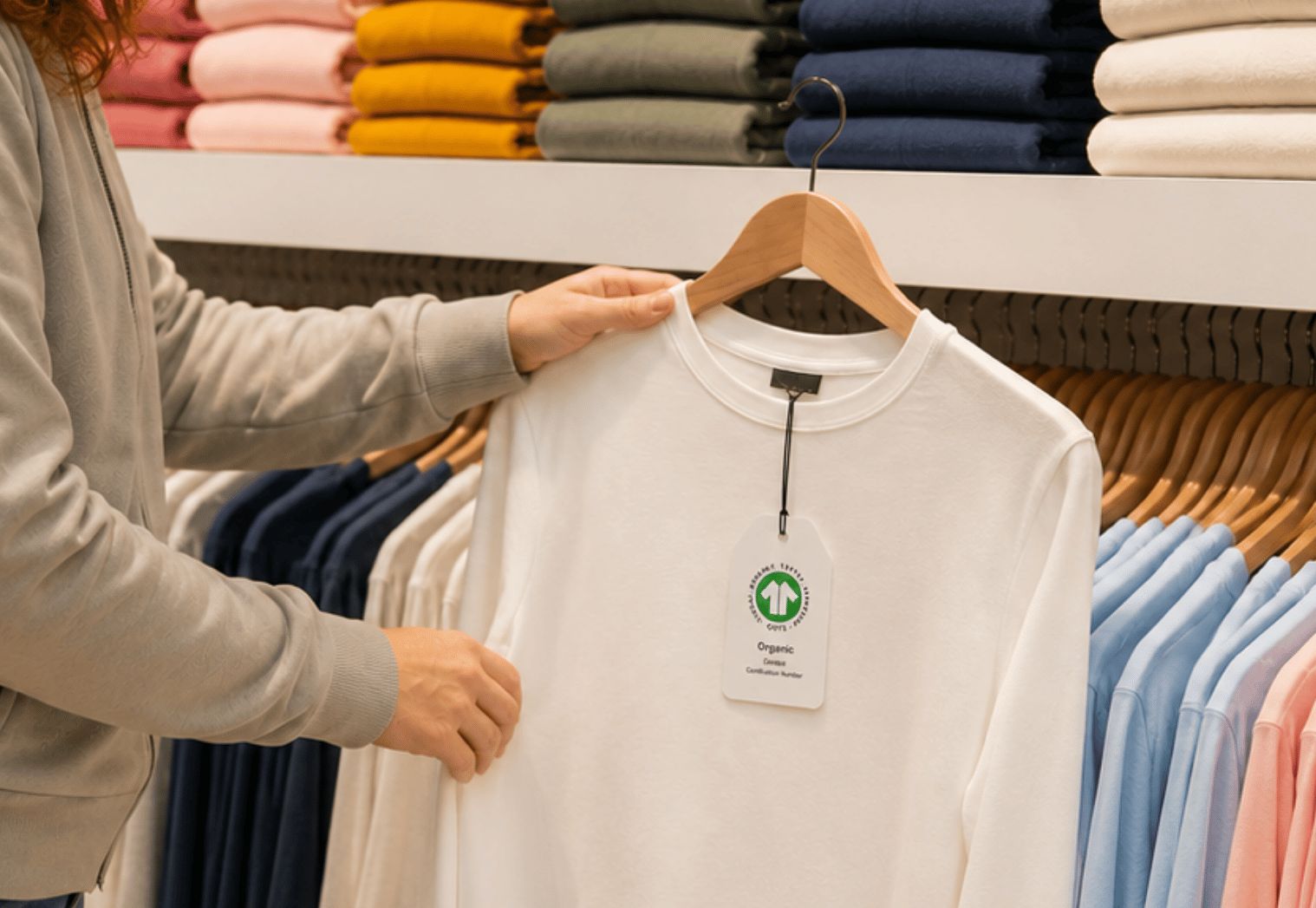
That distinction matters because so much of a textile’s production story is invisible in the finished product. Standing in a shop with a backpack in your hands, you can’t see how the fibres are grown or how was processed into fabric, the requirements applied at certified facilities or the decisions made when materials and components were selected.
Over the past several years, Terra Thread says it has invested in its supply chain and built direct relationships with farmers growing cotton used in its products. Its work increasingly includes regenerative organic farming approaches intended to improve soil health and support farmer livelihoods.
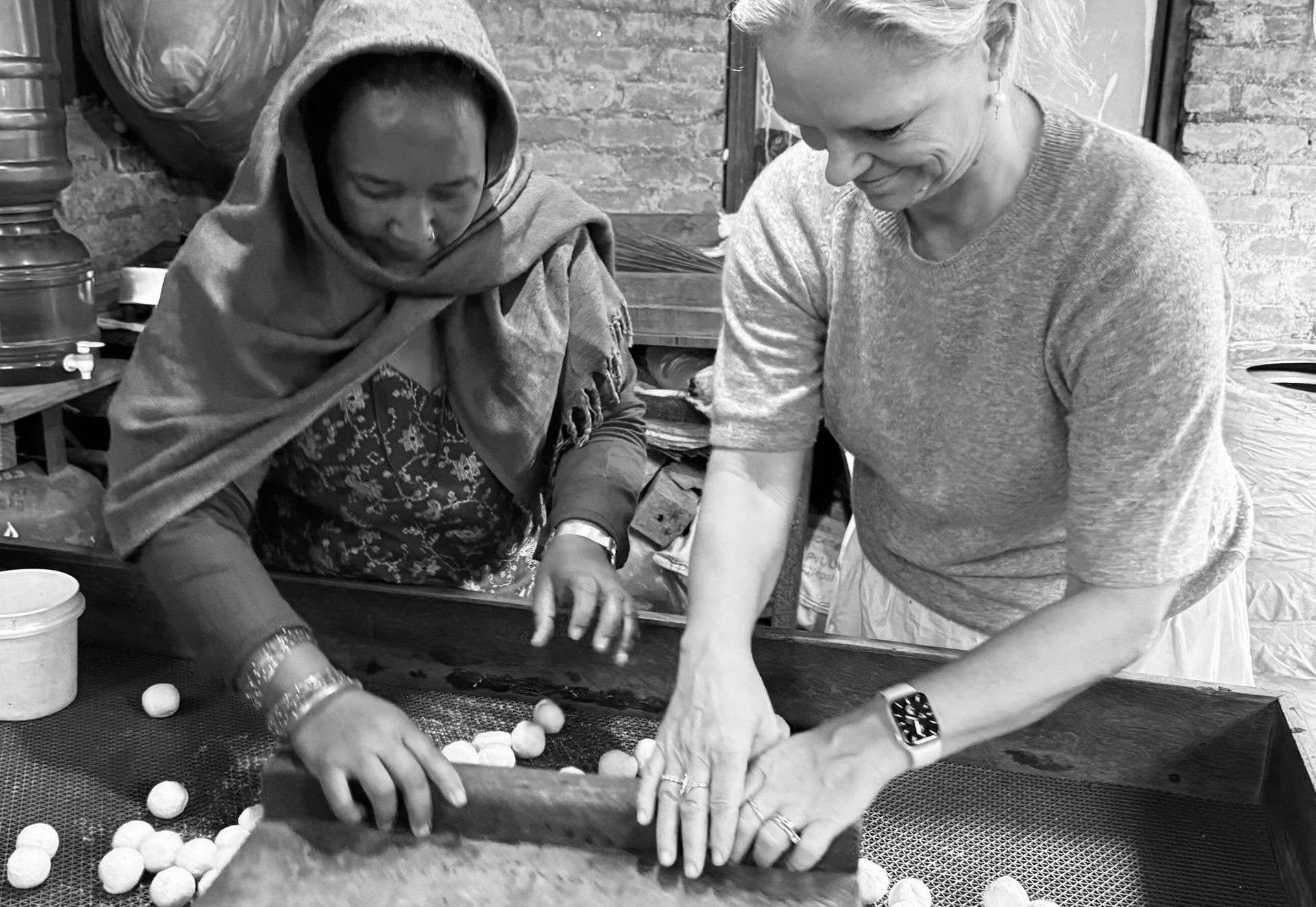
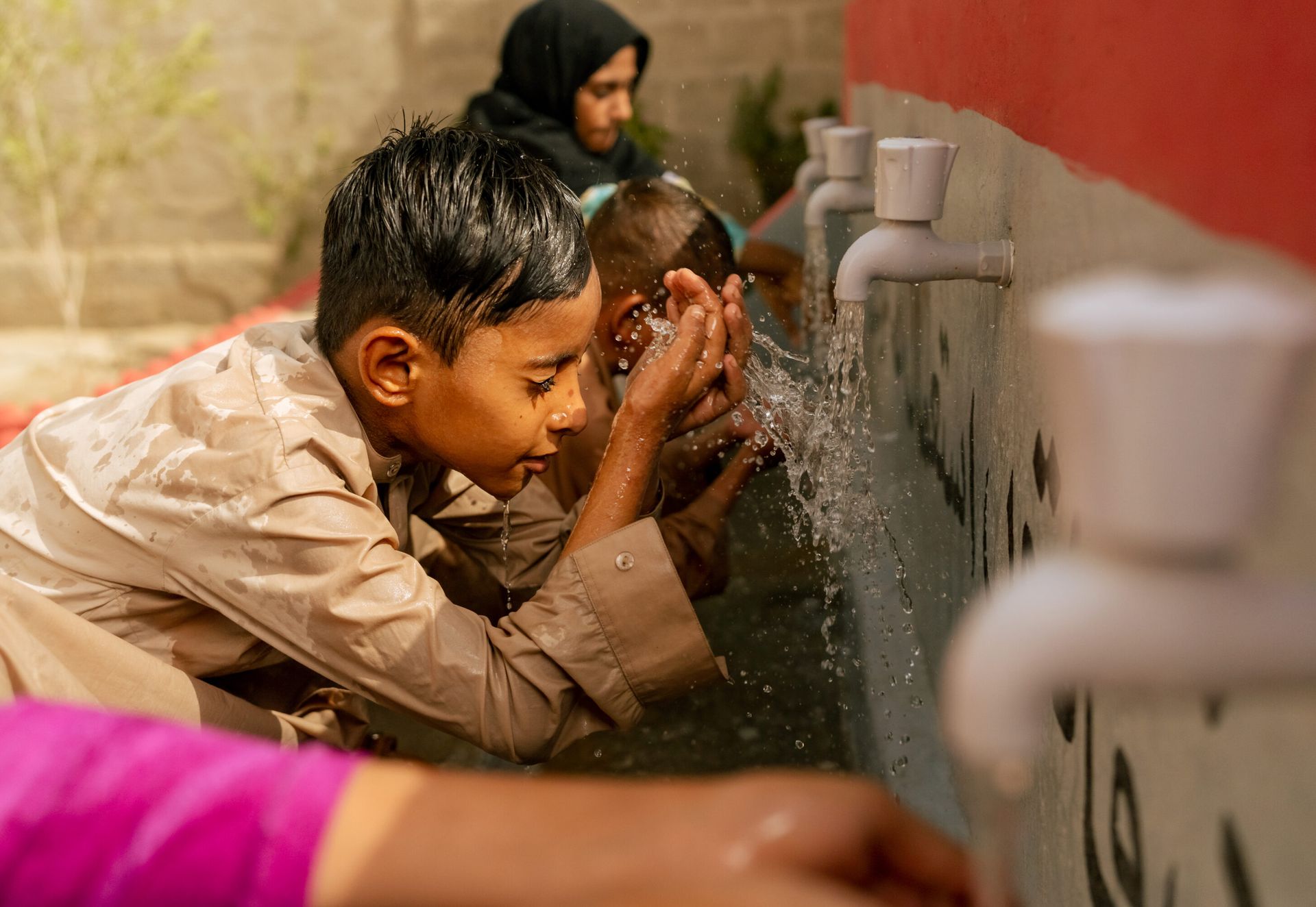
In Odisha, India, Terra Thread along with its parent company, Gallant International Inc., is currently involved in a project working with more than 700 farmers in the drought-prone Balangir district. According to the company, soil is tested to understand its characteristics and deficiencies, while farmers receive non-GMO seeds, technical training and support. The project promotes practices including intercropping, minimal tillage, mulching, agroforestry, water management and biodiversity restoration.
And that is why reducing the story of how a textile product was made to a single word or characteristic can tell us very little. A material doesn’t tell us everything about processing. Certification doesn’t mean every possible environmental or social outcome has been guaranteed. And one feature doesn’t necessarily describe the product as a whole.
More useful questions are: which stages are covered, which requirements apply and what has actually been independently assessed?
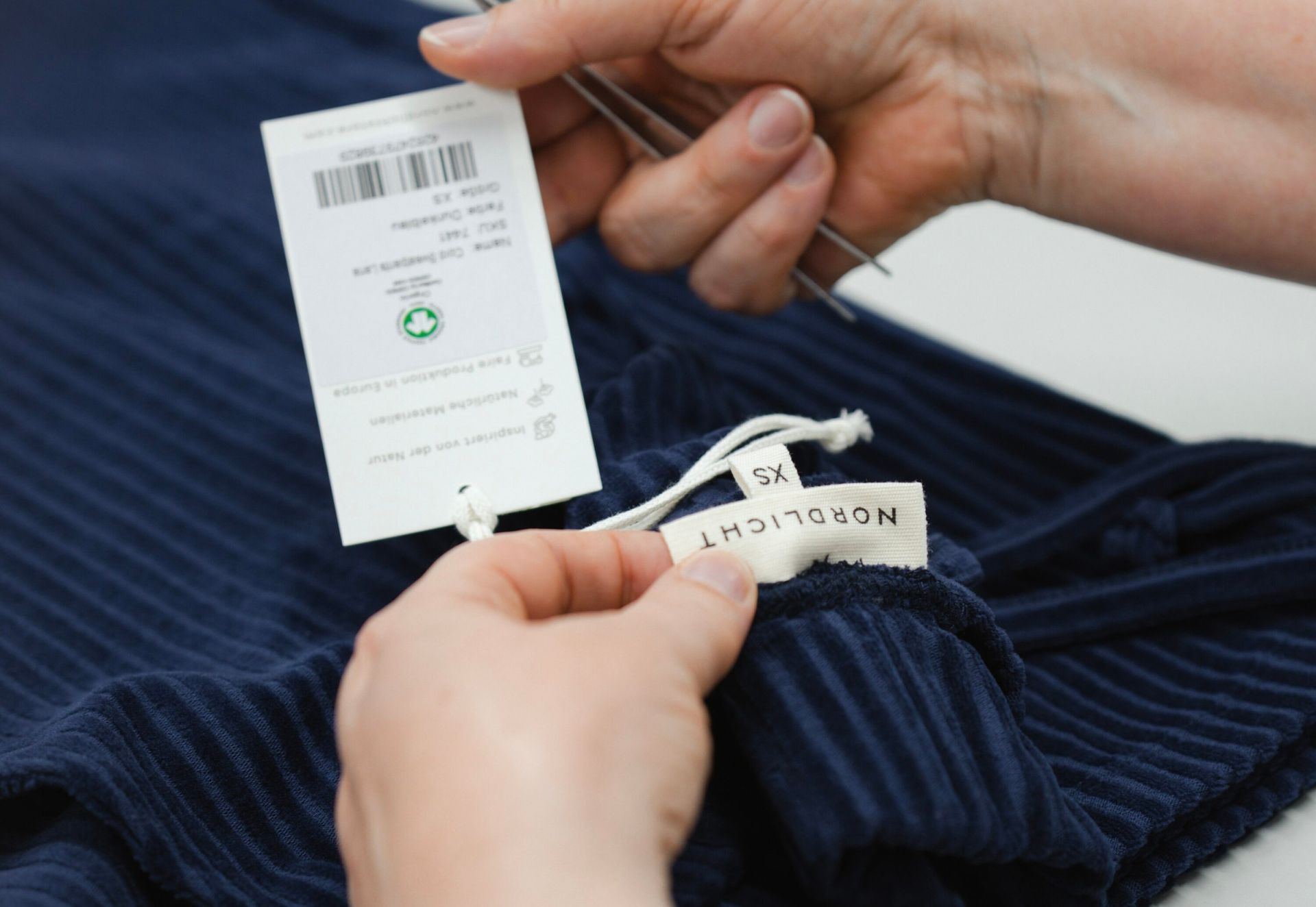
For a small brand, communicating all of that can be difficult! Terra Thread says GOTS certification gives it a way to communicate some of those otherwise invisible requirements to customers. The company describes recognition and customer trust as positive experiences associated with becoming GOTS certified, while also using the standard as a reference point in its approach to textile processing and manufacturing.
A consumer shouldn’t need to become a textile chemist or supply-chain auditor to understand what a certification means. A certification programme can provide a common reference point by defining requirements and a scope against which compliance is assessed.
And perhaps that is the most interesting thing we discover when we follow a backpack backwards.
What appears to be one product is actually the result of many interconnected decisions.
The next time you pick up a backpack, look a little closer. Notice the fabric, stitching, zipper and label. Then imagine everything that came before them: the manufacturing, the processing, the cotton, the farmer, the seed and the soil.
Because going #BehindTheSeams means looking beyond what a product is made of and asking a bigger question: What did it take to make it?